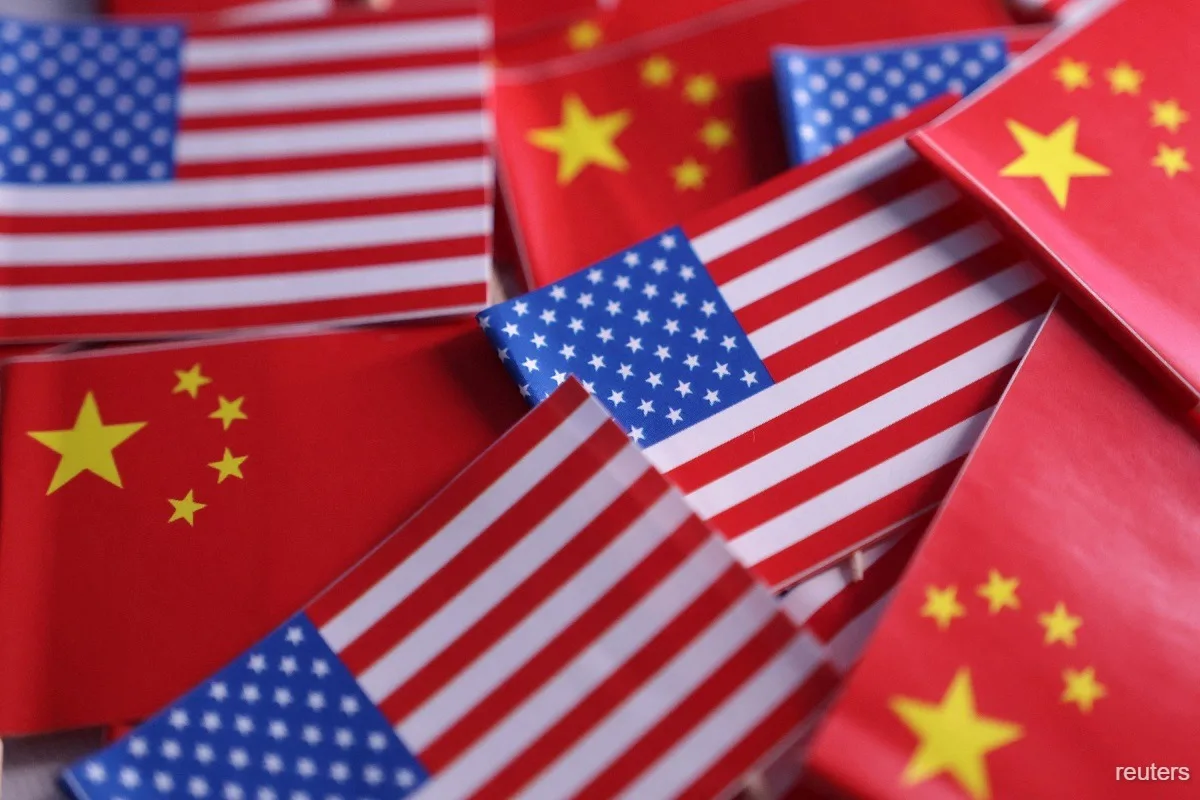
The United States government expanded its Uyghur Forced Labor Prevention Act (UFLPA) Entity List on July 31, 2026, adding 43 Chinese companies and banning imports of their products starting August 3, 2026 [1, 2]. This is the largest single update since the law's enactment in December 2021, raising the total number of listed entities from 144 to 187 [1, 3].
The newly blacklisted companies operate in sectors including capacitors, pharmaceuticals, metals, cotton, food, and lithium production [1, 2]. One highlighted firm is Hunan Aihua Group, one of China's largest capacitor makers, accused of sourcing chemical foil materials from Xinjiang [3]. The US government alleges these companies use forced labor involving Uyghurs and other ethnic minorities in Xinjiang within their supply chains [1, 4].
The Department of Homeland Security published the formal listing in the Federal Register on July 31 [2]. U.S. Congressman John Moolenaar praised the move, saying it strengthens the economy against products made with forced labor and sends a clear message to the Chinese Communist Party that such abuses will not be tolerated [4].
This update came amid a flurry of US actions against Chinese companies within a week, including restrictions on Chinese robots and power inverters, and sanctions linked to Iranian oil [2]. The blacklist expansion followed a July 30 video call between Chinese Vice Premier He Lifeng and US officials, where concerns about trade restrictions were voiced [5, 2].
Chinese authorities strongly condemned the US listing as baseless economic coercion violating international norms and harmful to global supply chains. The Ministry of Commerce spokesman said, "The US actions lack factual basis and constitute typical economic coercion that seriously harms the legitimate rights of Chinese enterprises" [6]. The Chinese Cotton Association denied any forced labor, noting that over 90% of Xinjiang cotton is machine-harvested with labor rights strictly protected [7].
Chinese officials also charged that the US action "seriously violates consensus" reached between the two countries' leaders and vowed to take necessary measures to protect Chinese companies' legal rights [5, 8].
The import ban on products from the 43 newly blacklisted companies will take effect on August 3, 2026, barring them from entering the US market [2, 7].