On June 3, 2026, Iran launched drone and missile strikes against Kuwait International Airport, hitting the passenger terminal and causing a large fireball, structural damage, and significant destruction inside the terminal. The attack killed one person and injured 63 others, forcing suspension of all flights at the airport [1, 2, 3, 4, 5]. Kuwait’s Defense Ministry called it "a criminal act of aggression by Iran" and condemned the incident [1, 2].
Iran’s Islamic Revolutionary Guard Corps denied targeting the civilian airport directly, claiming their attacks focused on US military facilities in Bahrain and other countries [2, 6, 3]. However, multiple sources including Kuwaiti officials and eyewitness accounts confirmed the airport was hit by Iranian drones and missiles [1, 2, 3, 4].
On June 5, US Central Command said it shot down four Iranian drones launched toward the Strait of Hormuz. The US then launched airstrikes on Iranian coastal radar stations on Goruk and Qeshm Island to counter threats to maritime traffic [7, 8]. CENTCOM stated, "The drones pose an immediate threat to regional maritime traffic. We will continue to respond to Iranian aggression in self-defense" [8].
Iran condemned the US strikes as violations of the April ceasefire and breaching Iranian sovereignty [9, 10]. In response, Iran launched missile attacks on US military bases in Kuwait and Bahrain on June 6, though most missiles were intercepted before impact [9, 10, 2, 6]. Kuwait and Bahrain issued air defense alerts and urged calm [9].
The US remains on high alert and ready to respond to further Iranian aggression [11, 8]. This exchange threatens the fragile ceasefire signed in April 2026, complicating efforts to end the three-month war [7, 9, 10].
Iranian leadership linked possible peace to the US releasing $24 billion in frozen Iranian assets, warning that renewed conflict would lead to a "dark abyss," according to Iranian Supreme Leader Advisor Mohsen Rezaei [7].
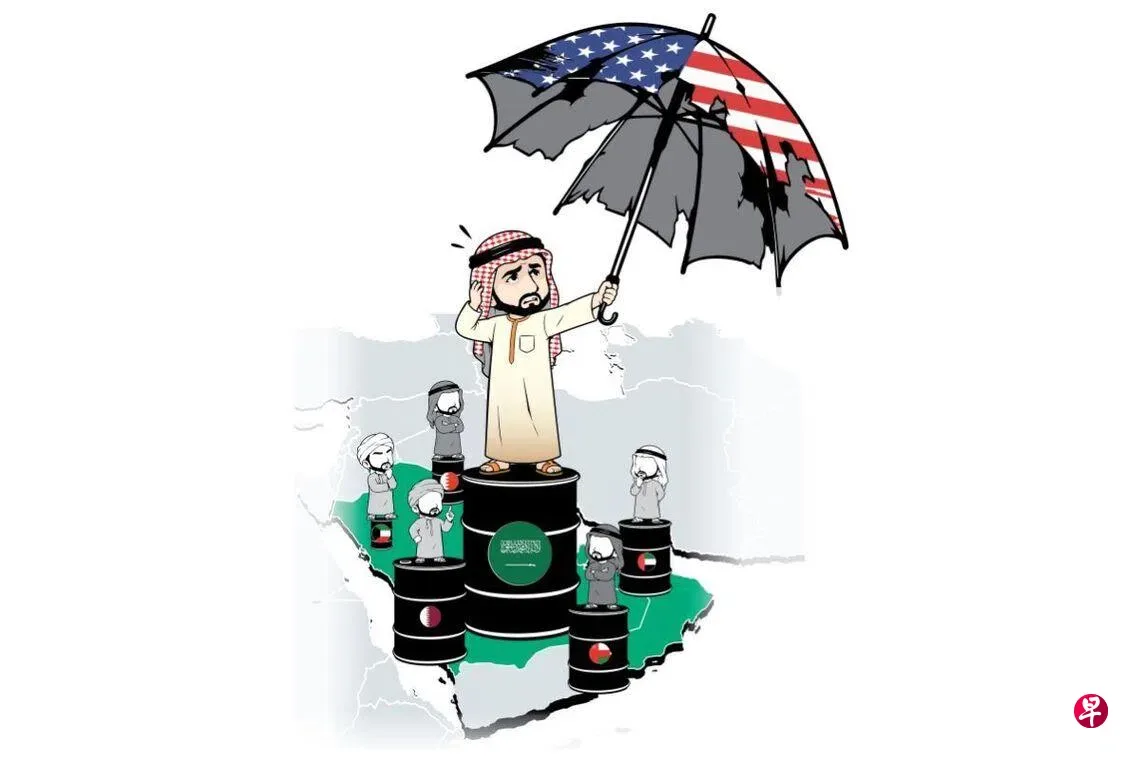
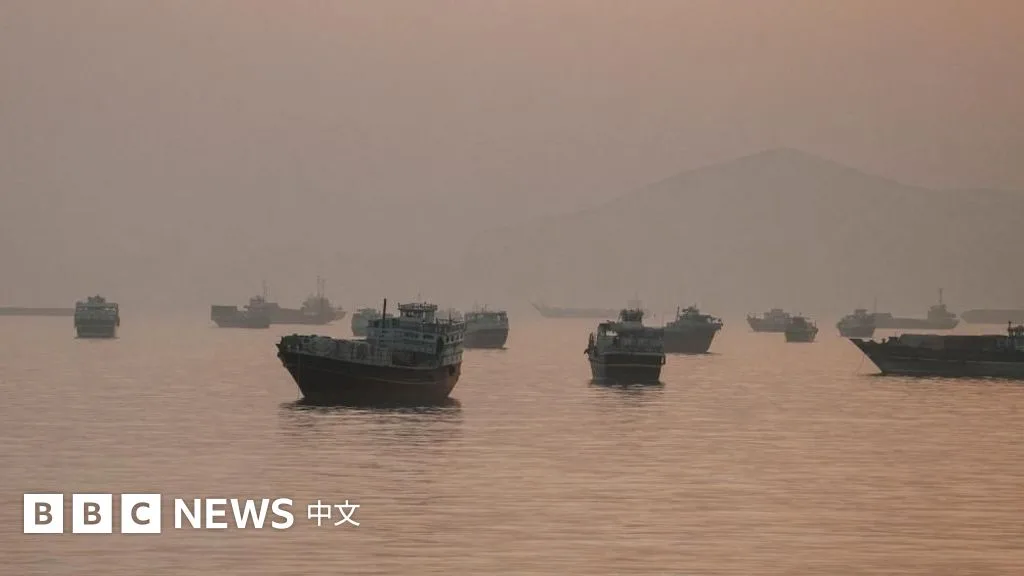
The ongoing conflict has disrupted oil exports through the Strait of Hormuz, causing spikes in global oil prices and economic instability [12, 10]. Despite tensions, the US granted visas to the Iranian national football team for the 2026 World Cup in Los Angeles [10].
The immediate next step to monitor is whether further missile or drone attacks occur as part of the escalating tit-for-tat hostilities. Global eyes remain on the Gulf region amid heightened military alerts on both sides.