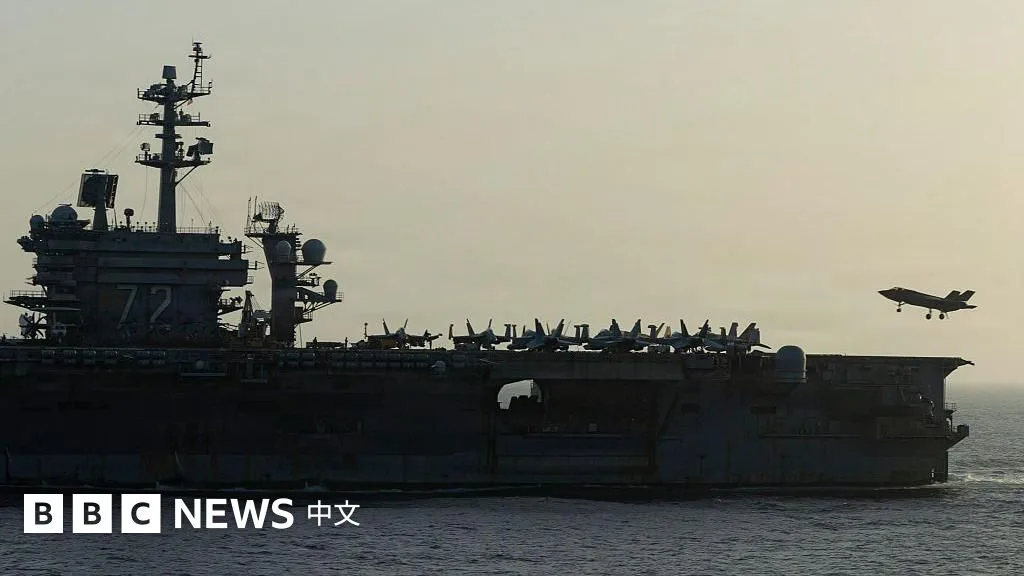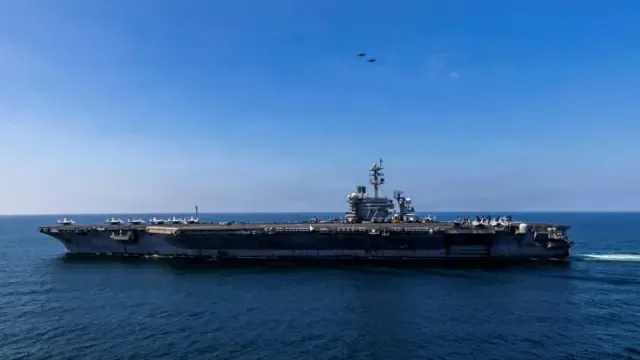
The aircraft carrier USS Abraham Lincoln has been continuously deployed in the Middle East since January 2026, supporting U.S. military operations including a maritime blockade against Iran [1, 2, 3, 4, 5, 6, 7, 8, 9]. It has set a modern record for continuous sea deployment, exceeding 240 days without port visits, with intervals of more than 200 days at sea without docking [1, 2, 3, 4, 5, 6, 7, 9].
The ship carries approximately 5,000 sailors and Marines during this deployment [1, 4, 6, 9]. Over 10,000 sorties have launched from its decks, demonstrating significant operational activity [3, 10, 11, 7]. Despite its mission demands, the USS Abraham Lincoln's extended schedule, originally expected to end in May 2026, has been repeatedly extended [1, 4, 5, 6, 9].
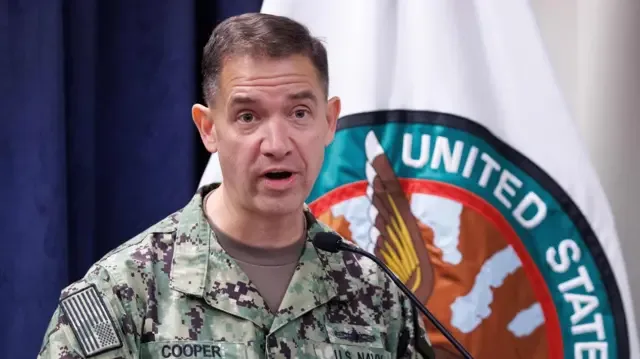
Admiral Brad Cooper, Commander of U.S. Central Command, visited the carrier on August 15. He praised the crew's resilience and stated, "History will record this deployment as one of the most intense and impactful combat deployments in modern times" [1, 2, 3, 4, 11, 5, 6, 7, 8, 9]. Cooper also emphasized the importance of psychological health, saying, "I have always believed mental health is an aspect of personal health that deserves equal attention as physical and spiritual health. I commend Lincoln’s leadership for making mental health and crew resilience a leadership priority" [5]. He acknowledged the unique hardships of long deployments at sea [1, 2, 4, 5, 6, 9].
However, families of some sailors have reported deteriorating mental health conditions onboard, including suicide attempts and instances of sailors jumping overboard, highlighting mounting psychological strain [1, 2, 4, 5, 6, 9]. A reported sailor fall overboard on August 3 further drew attention to these stresses [2]. Meanwhile, the Navy and Defense Secretary Pete Hegseth deny a psychological health crisis exists and reject claims of a health emergency despite logistical and supply challenges such as poor sanitation, damaged plumbing, and fresh food shortages [1, 4, 5, 6, 9]. Hegseth called related reports "completely false" [1]. President Donald Trump also downplayed concerns, stating the deployment duration was "far from long enough" [1, 4, 5, 6, 9].
Thirteen Democratic members of the Senate Armed Services Committee sent a letter to Hegseth on August 13 criticizing the extended deployment length as excessive and demanding answers [1, 6]. Their concerns contrast with Pentagon and White House affirmations that current deployment schedules are appropriate [1, 6, 12].
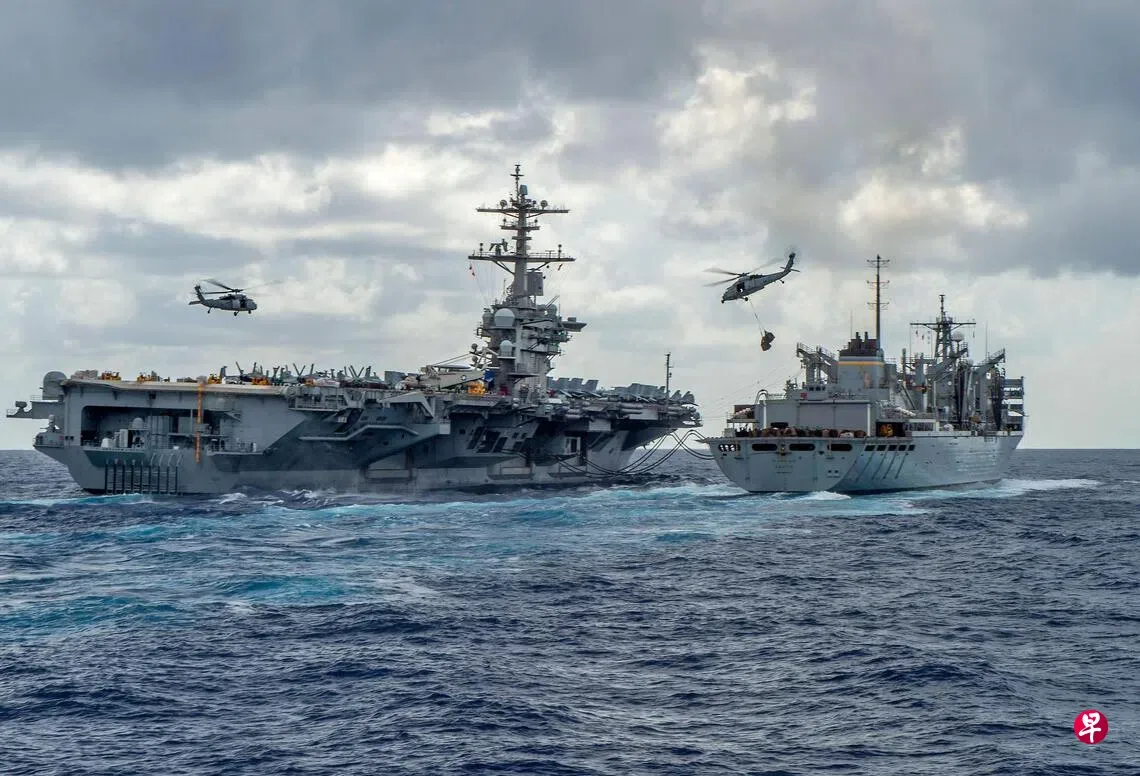
USS George Washington is reported en route to relieve USS Abraham Lincoln in the Middle East, expected to arrive about a week after Admiral Cooper’s August 15 visit [1, 6, 12]. The upcoming relief marks a key operational milestone following the record-long deployment. The Abraham Lincoln crew continues to carry out high-intensity missions while commanders prioritize addressing the psychological health and welfare of personnel amid ongoing challenges [1, 2, 4, 5, 6, 9].