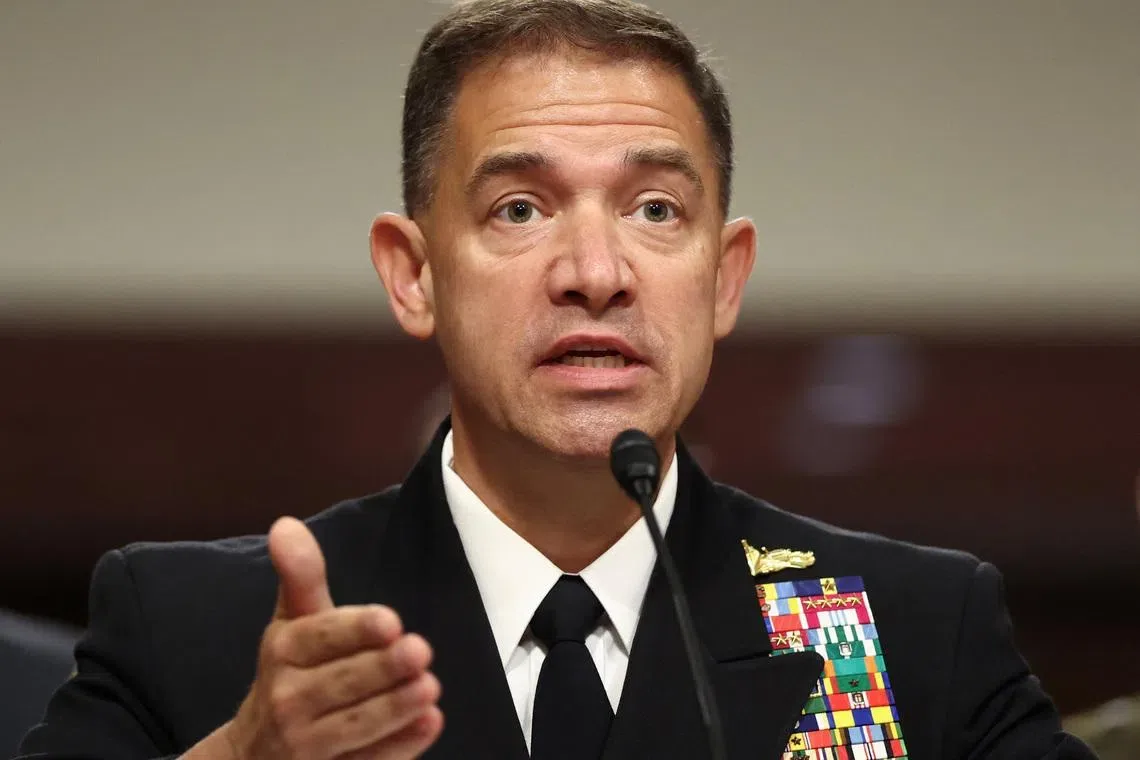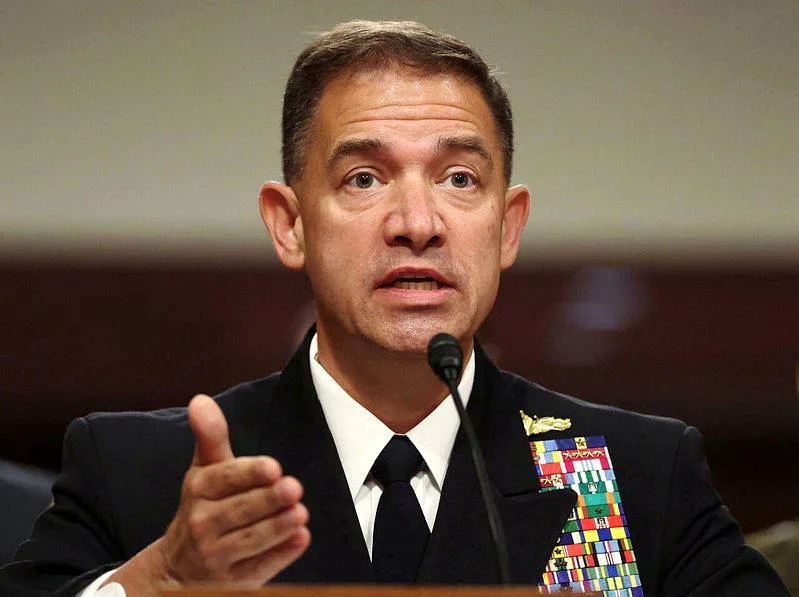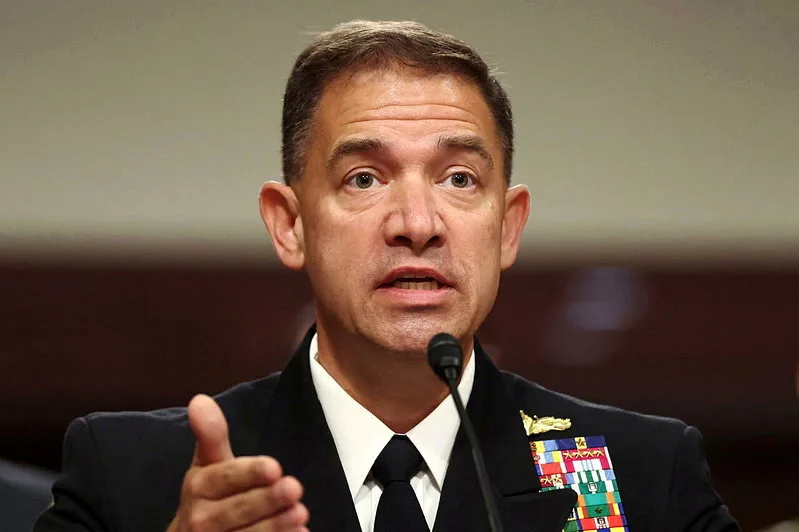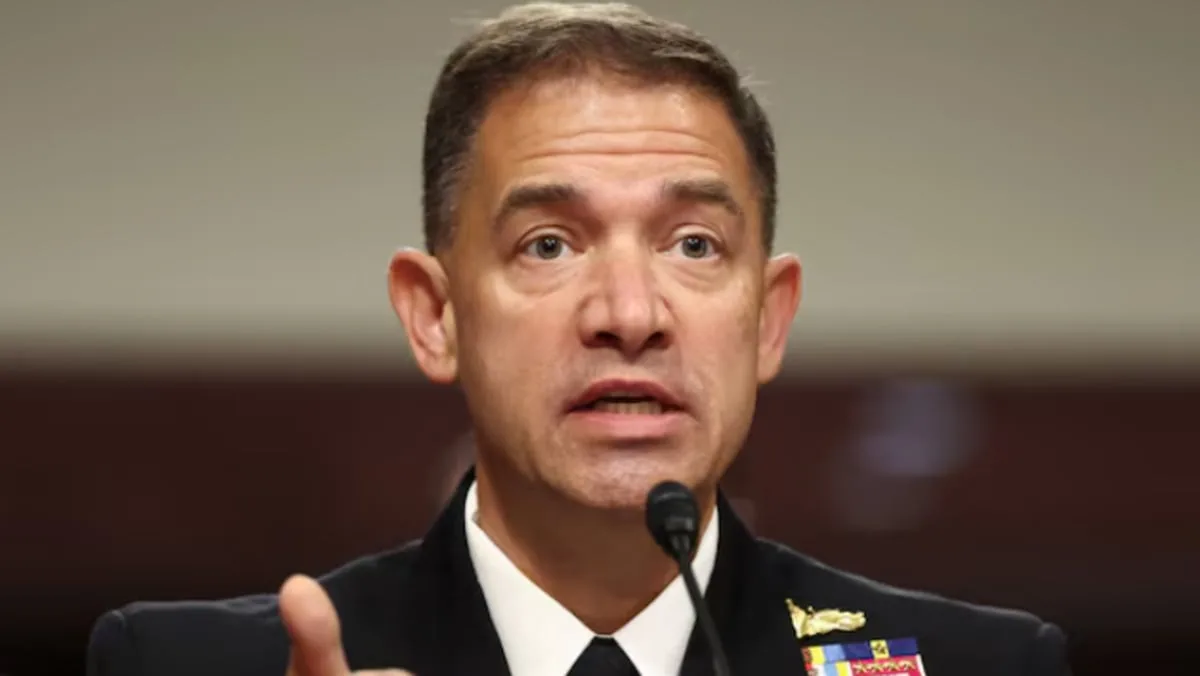
US Central Command head Admiral Brad Cooper sent an internal letter to troops on July 28 warning that videos and photos shared online allow Iran to assess the impact of its missile and drone attacks almost in real time [1, 2, 3, 4, 5, 6, 7, 8]. He called on troops to "redouble our focus on operational security" but did not detail specific measures in the letter [1, 2, 3, 4, 9, 7, 8].
Iran uses open source intelligence—including news reports, social media posts, and footage captured by US service members—to gauge strike success and adjust targets accordingly, posing a direct threat to operational security [1, 2, 3, 4, 5, 7, 8]. A video recorded on Meta smart glasses during the July 17 Iranian attack on Muwaffaq Salti Air Base in Jordan captured US troops running for cover and was shared online, providing a clear example of the kind of footage Iran exploits [1, 4, 9, 10, 11, 12, 7]. That attack killed 3 US soldiers [4, 9, 10, 11, 12, 7]. Since the February 28 US and Israeli military action against Iran began, about 18 US soldiers have died and more than 600 have been injured in related conflicts [4, 5, 6, 8].
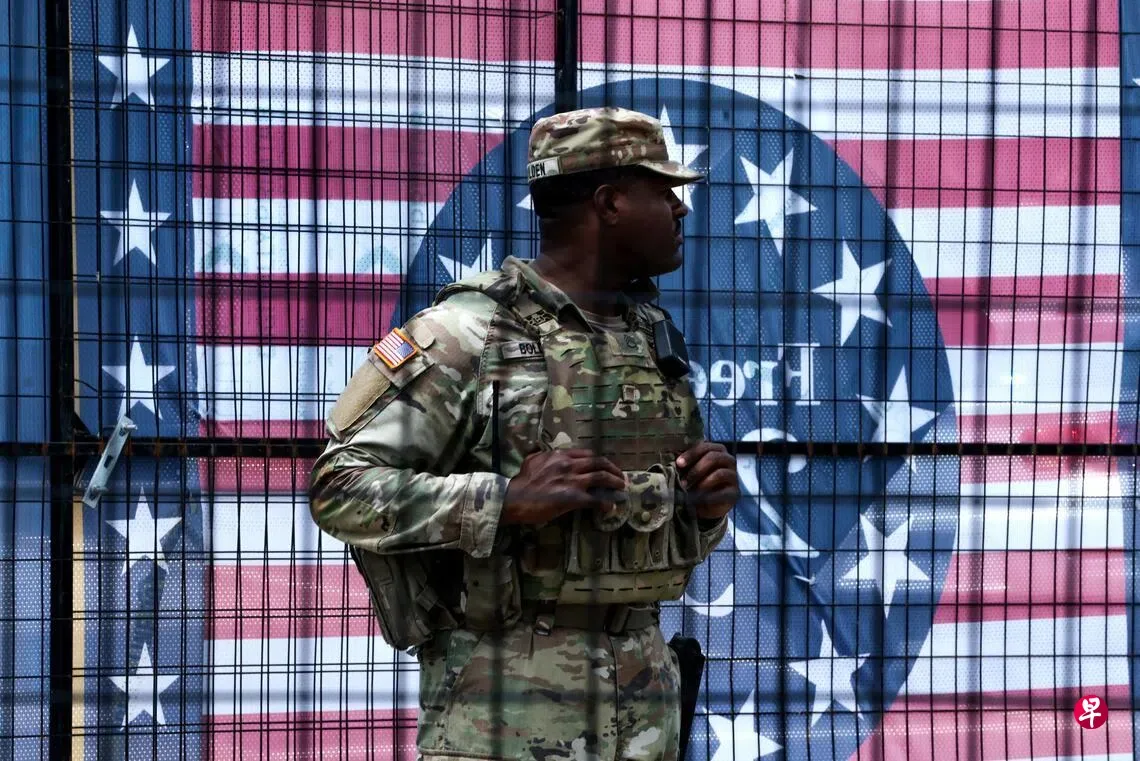
In the days following Cooper's letter, some US troops deployed in Jordan—often targeted by Iranian attacks—were notified their cellphones may soon be confiscated to prevent further intelligence leaks [1, 2, 3, 4, 9, 10, 11, 12, 5, 7, 8]. Phone confiscation or restrictions are being considered for other Middle East deployments due to operational security concerns but have not been finalized as formal policy [1, 2, 3, 4, 9, 10, 11, 12, 7, 8]. The potential long-term confiscation could affect troops’ ability to communicate with their families [2].
CENTCOM spokesperson Capt. Timothy Hawkins said the letter serves as a general reminder to service members on the importance of maintaining operational security, and is one of several messages Admiral Cooper uses to stress priorities [1]. Cooper also warned, "The direct, unavoidable cost of this open-source intelligence could be measured in the lives of American service members and civilian residents in targeted Gulf countries" [1].
The video captured during the July 17 attack on the Jordan base remains a stark example of how battlefield footage can compromise security. As of early August, troops in Jordan are preparing for possible cellphone restrictions as officials weigh measures to blunt Iran’s real-time intelligence gathering.
Further decisions on phone policies for US forces across the Middle East are expected soon amid ongoing conflicts with Iran-backed forces.