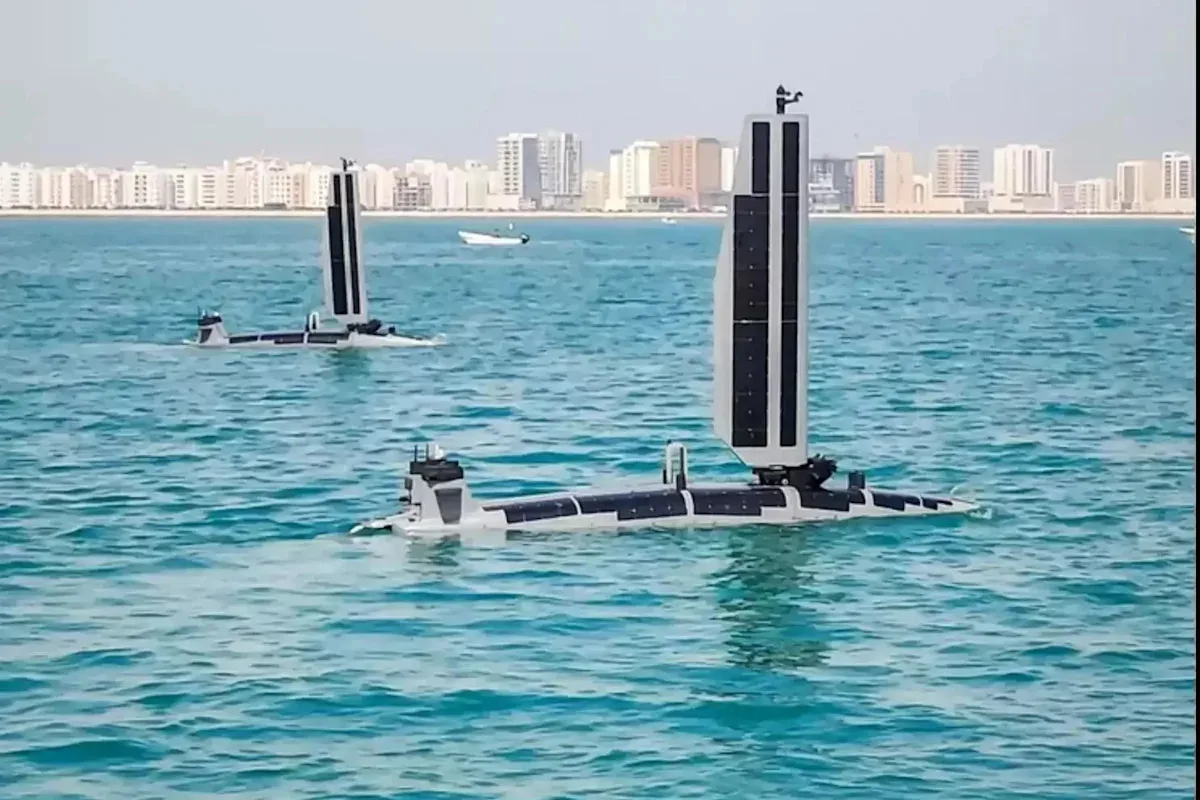
The United States delivered four Ocean Aero Triton autonomous underwater and surface drones to the Philippine military on June 23 at the Philippine Navy base in Subic Bay, Zambales province. The solar-powered drones can operate for up to 30 days without a crew and are valued at $13 million, officials said [1, 2, 3, 4, 5].
The drones use mesh networking technology to collect data above and below the sea surface, enhancing maritime domain awareness over long durations. Philippine Navy spokesperson Marissa Martinez said, "These unmanned systems include surface and underwater capabilities that will enhance the maritime situational awareness of the Philippine Navy and the entire Armed Forces of the Philippines. These platforms are part of the Navy and AFP modernization effort" [5].
The delivery comes amid rising tensions in the Indo-Pacific region, where the Philippines lies at the core of contested and vast waters. The US Embassy said, "The Indo-Pacific’s waters are vast and contested, and the Philippines sits at the heart of it" [1].
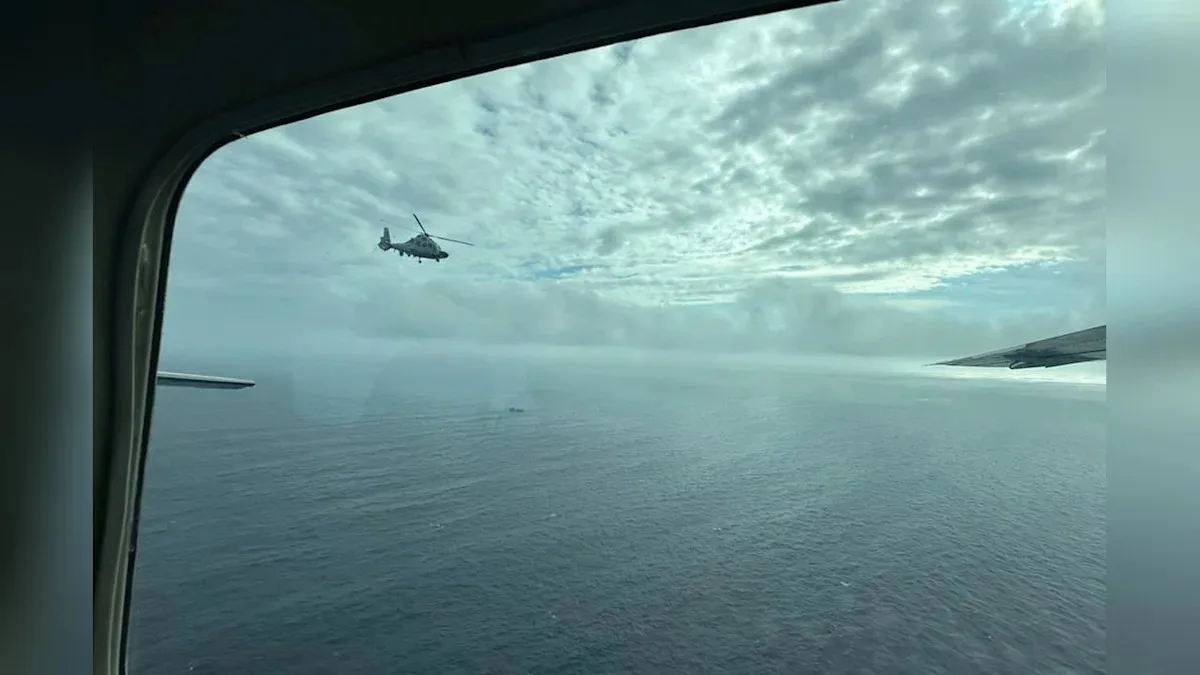
In mid-June, US and Philippine forces held their fourth annual Maritime Cooperation Activity with joint naval and air exercises in the South China Sea, a key strategic waterway through which over $3 trillion in trade passes annually. China claims nearly all of the South China Sea despite a 2016 arbitral tribunal ruling invalidating those claims [1, 2, 4, 5].
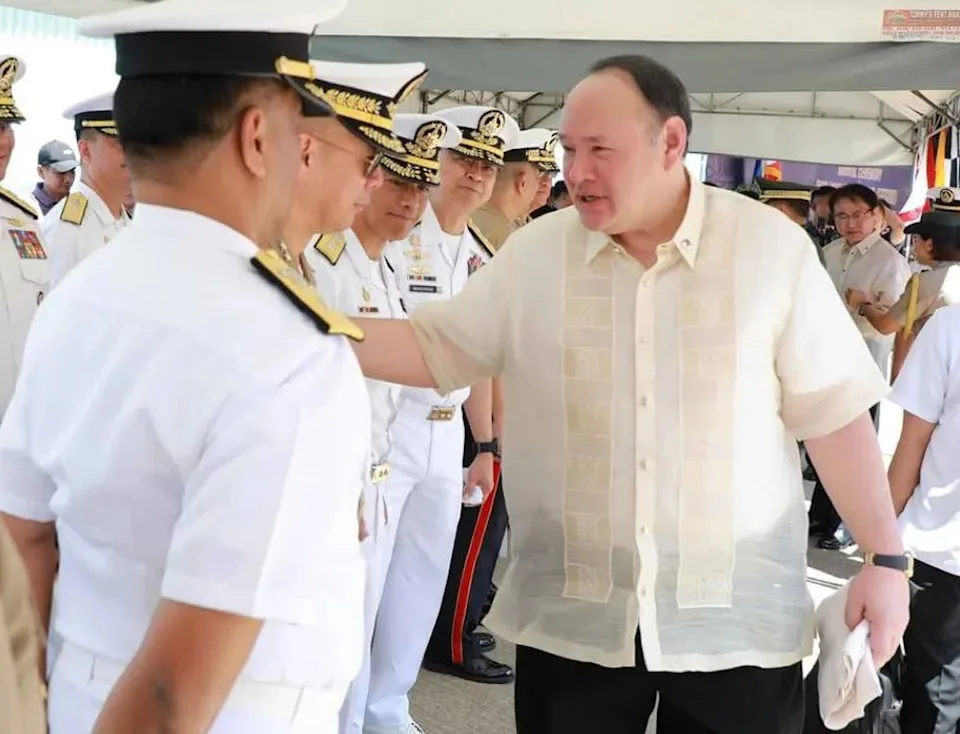
Tensions recently increased after China installed a floating structure on the disputed Scarborough Shoal, triggering a diplomatic protest from the Philippines. China removed the structure on June 16 and imposed sanctions on the Philippine defense secretary and his family [1, 2, 3, 4, 5].
The Triton drones aim to help the Philippines detect and respond to maritime challenges including illegal fishing, gray-zone activities, and threats to freedom of navigation in these contested waters [1, 2, 3, 4, 5]. The US delivery signals its commitment to supporting its ally in the Indo-Pacific [1, 2, 3, 4, 5].