The US Department of Justice Office of Legal Counsel issued a legal opinion on September 2 requiring all state agencies receiving funds from two major welfare programs to report all known illegal immigrants to the Department of Homeland Security (DHS) [1, 2, 3]. This reverses a 1998 interpretation that limited reporting to only the state agencies directly administering these programs and expands the obligation to include entities such as universities and motor vehicle departments [1, 2, 3].
States that do not comply risk losing billions of dollars in federal funding from the Temporary Assistance for Needy Families (TANF) and Supplemental Security Income (SSI) programs. The TANF program accounts for over $16.5 billion annually, while SSI provides more than $60 billion in federal grants each year [1, 2, 3]. Illegal immigrants are ineligible for these benefits, underscoring the administration’s justification for requiring state agencies to report their presence [1, 2, 3].
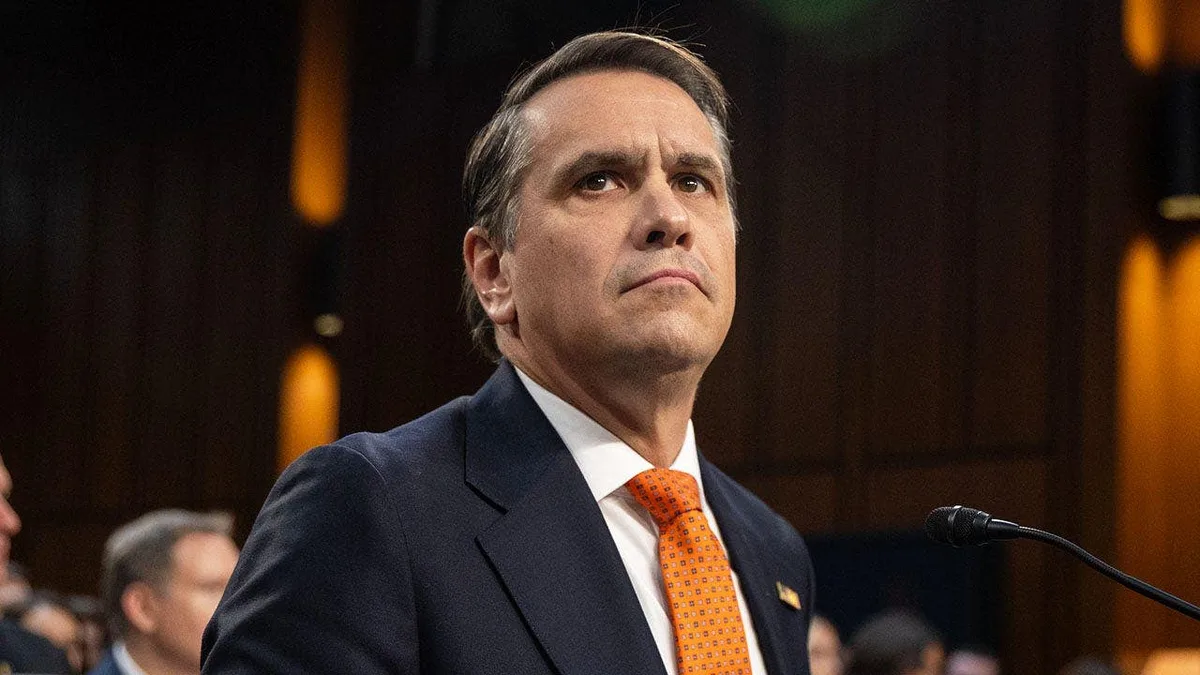
Deputy Assistant Attorney General Joshua Craddock warned, "Failure to comply may lead to serious consequences, including loss of program funding" [1, 3]. The opinion marks a sharp intensification of immigration enforcement efforts by the Trump administration since January 2025, which has included deploying federal agents in cities and pressuring states to increase cooperation with immigration authorities [1, 2, 3].
However, several Democrat-led states have challenged the new policy in court to block DHS from accessing personal information of welfare recipients, particularly through the TANF program [1, 2, 3]. There remain 19 states plus Washington D.C. that issue driver’s licenses to undocumented immigrants, and many state universities enroll such students, placing the reporting requirement under strain in multiple government agencies beyond the traditional welfare offices [1, 2].
The DOJ opinion closes a gap that allowed only welfare agency administrators to report illegal immigrants, extending the mandate to all relevant state agencies to ensure more comprehensive enforcement [1, 2, 3]. States now face a deadline to comply to avoid cuts in vital funding that supports millions of Americans in need.