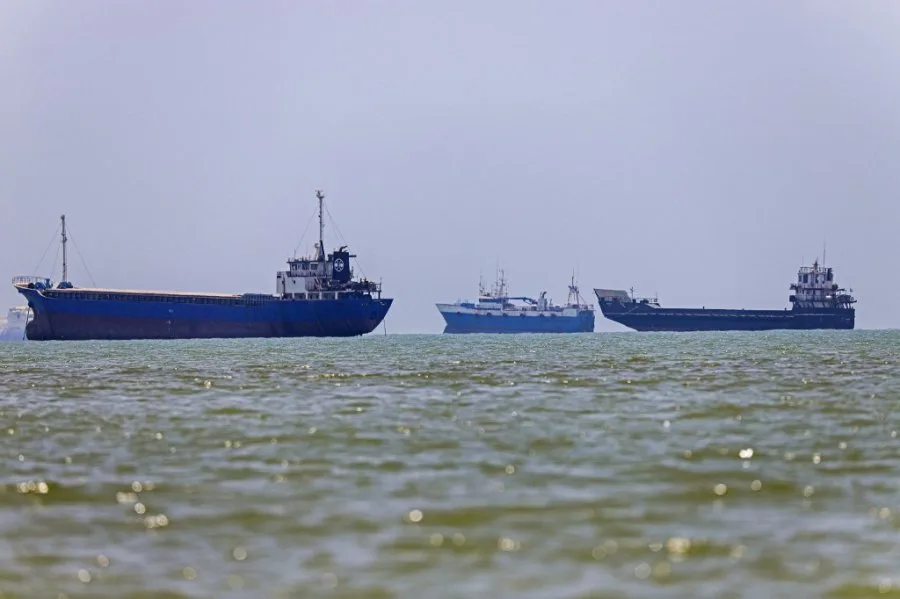
On July 14, 2026, the US Treasury Department announced expanded sanctions on more than 50 individuals, entities, and vessels tied to Iranian businessman Mohammad Hossein Shamkhani's oil export and shipping network [1, 2, 3, 4, 5, 6, 7, 8]. This action is part of a broader US effort to increase economic pressure on Iran amid renewed "destabilizing attacks" in the Strait of Hormuz and ongoing US military operations in the region [1, 2, 3, 7, 8].
The Shamkhani network is accused of facilitating Iran's evasion of international sanctions through shell companies, intermediaries, and vessel management firms. The network has helped Iran export oil and engage in global commodity trade while concealing its control [1, 2, 4, 5, 7, 8]. To date, over 200 individuals, companies, and vessels linked to the network, including financial facilitators and shipping executives across several countries, have faced sanctions [1, 2, 4, 7, 8]. The latest Treasury action specifically identified targets in the UAE, Singapore, India, Hong Kong, the Marshall Islands, and Saint Kitts and Nevis [8].
US Treasury Secretary Scott Bessent said, "The Iranian regime survives on deception, and the Shamkhani network is one of its most profitable engines. Treasury is shutting down the financial infrastructure that allows the regime to continue its threats to US national security and global shipping" [3]. He also noted the sanctions aim to "close the financial infrastructure that allows the regime to threaten US security and global transit," emphasizing the network's critical role in funding Iran's activities [1, 7].
Alongside sanctions, the US Treasury froze over $130 million in digital assets linked to the Iranian central bank held in cryptocurrency wallets [1, 6, 7]. Experts have observed that Iran uses digital asset platforms to evade sanctions targeting the Islamic Revolutionary Guard Corps, with these platforms providing a financial refuge amid inflation [1, 7].
The Shamkhani network is also reportedly connected to shipments supporting Yemen's Houthi armed group [7, 8]. Renewed US sanctions have raised compliance risks for shipping companies, insurers, ports, and traders involved with Iranian oil. There are growing concerns about potential disruptions to shipping in the Strait of Hormuz and the Persian Gulf, critical global trade chokepoints [4, 5, 8].
US military forces resumed a maritime blockade of Iranian ports and shipping on July 14, deploying over 20 naval vessels and hundreds of aircraft to the area, further escalating tensions [2, 8]. This military activity comes amid broader airstrikes and blockades in July affecting multiple countries in the region [2, 6, 8].
Mohammad Hossein Shamkhani is the son of Ali Shamkhani, a former Iranian national security official and advisor to the late Supreme Leader Ali Khamenei; both men died on February 28, 2026, the opening day of the US-Iran conflict [1, 2, 6, 7].
The sanctions and military actions announced on July 14 represent the latest concrete steps in the US campaign against Iran’s oil and shipping networks. They come as geopolitical tensions continue to disrupt regional stability and impact global markets, including sharp declines in semiconductors and the Taiwan stock exchange [4, 5].