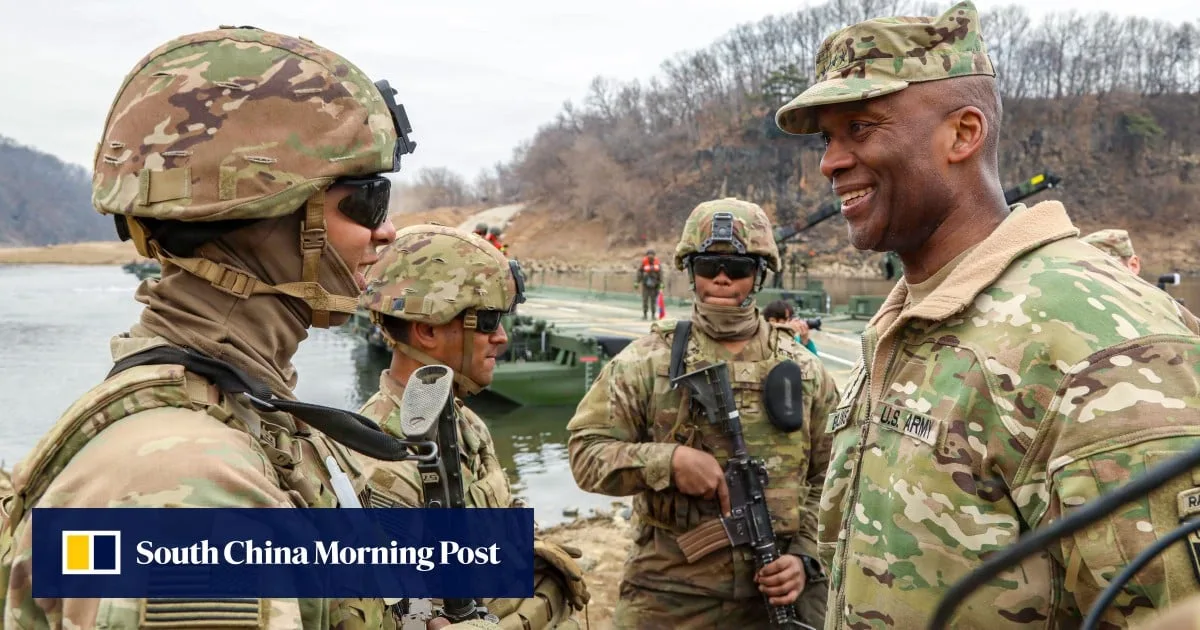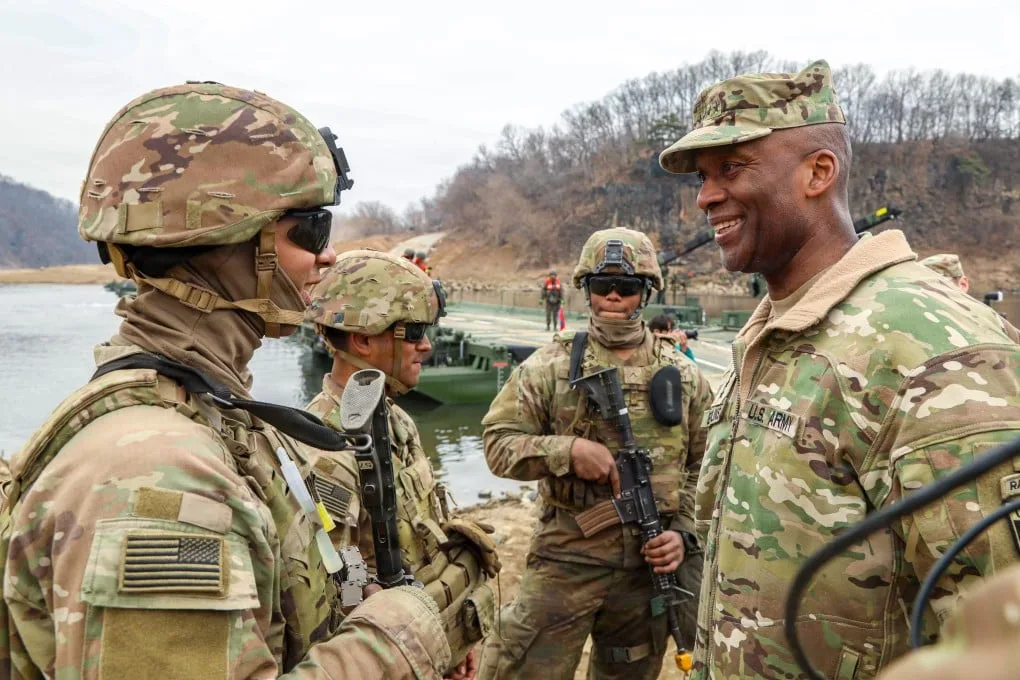
US Forces Korea commander Xavier Brunson described South Korea as "the dagger in the heart of Asia" when viewed from China's east coast during a recent podcast interview, drawing sharp rebuke from China’s embassy in Seoul [1, 2, 3]. Brunson also characterized Japan as a "shield" or "backstop" to China’s ambitions in the South China Sea and previously referred to South Korea as a "fixed aircraft carrier" in the Indo-Pacific region in 2025 [1, 2, 3]. He said, "When they (the Chinese) look out from the east coast of China, what they see is there’s Korea, the dagger in the heart of Asia" and added, "Then there’s Japan, sort of that shield that’s sort of a backstop, if you will, for them trying and their ambitions beyond that into the South China Sea and then down to their southeast is the Philippines" [2].
China’s embassy in Seoul condemned Brunson’s remarks as "hostile and aggressive" and said they "truly crossed the line". An unnamed embassy spokesperson questioned whether the comments were authorized by Washington and challenged the rhetoric used to describe South Korea as an "aircraft carrier" and "dagger," asking if the US was attempting to "use another country as a pawn" [1, 2, 3]. The spokesperson said, "Are your hostile and aggressive remarks about China authorised by Washington, or are you trying to challenge the consensus reached at the Beijing meeting between the Chinese and US leaders?" and, "By calling your host nation an ‘aircraft carrier’ or ‘dagger’ or other such instruments of war, are you merely showing your own belligerence, or are you seeking to use another country as a pawn?" [1, 2].
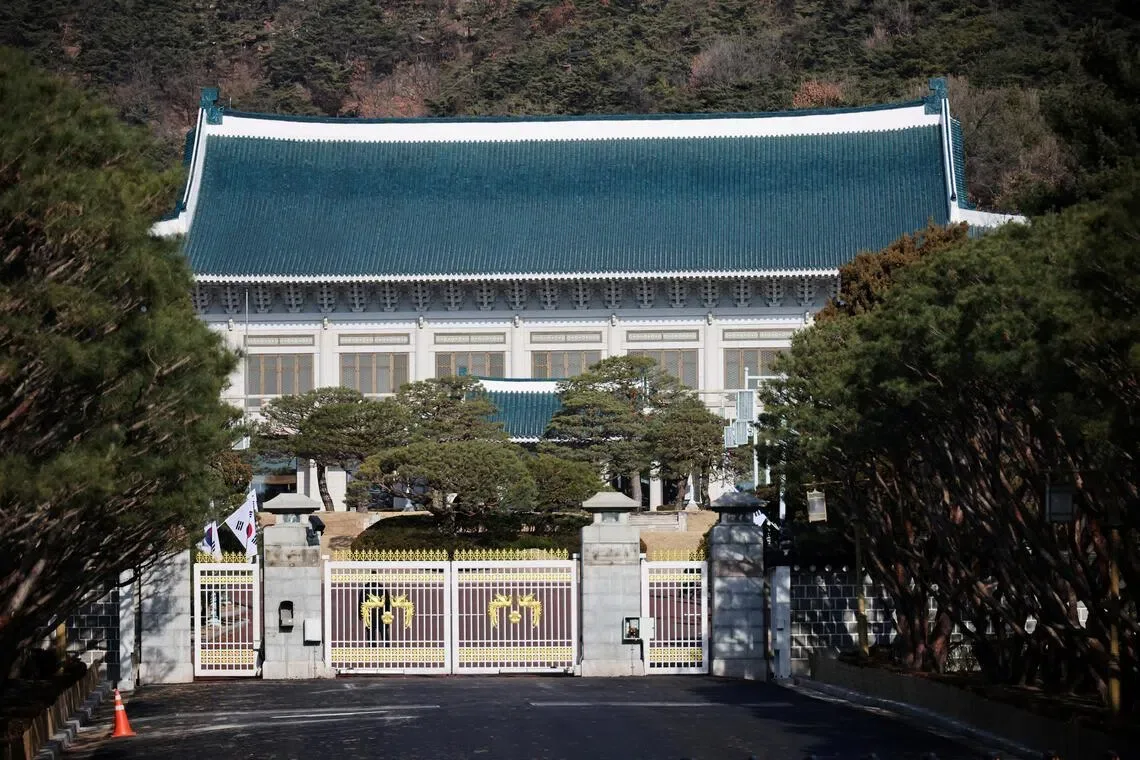
South Korea’s presidential office was aware of Brunson’s comments and has lodged multiple complaints with the US government. Seoul has maintained ongoing communication with Washington at multiple levels regarding the issue [2, 3]. About 28,500 US troops are stationed in South Korea to guard against threats from North Korea [2, 3].
Timeline of key events includes Brunson’s aircraft carrier comment in 2025, the Chinese embassy’s public criticism and transcript posting on May 29, 2026, and South Korea’s Blue House confirming ongoing US-ROK talks on May 30, 2026 [1, 2, 3].
South Korea and the United States continue diplomatic discussions to address the fallout from Brunson’s remarks and manage regional sensitivities [2, 3].