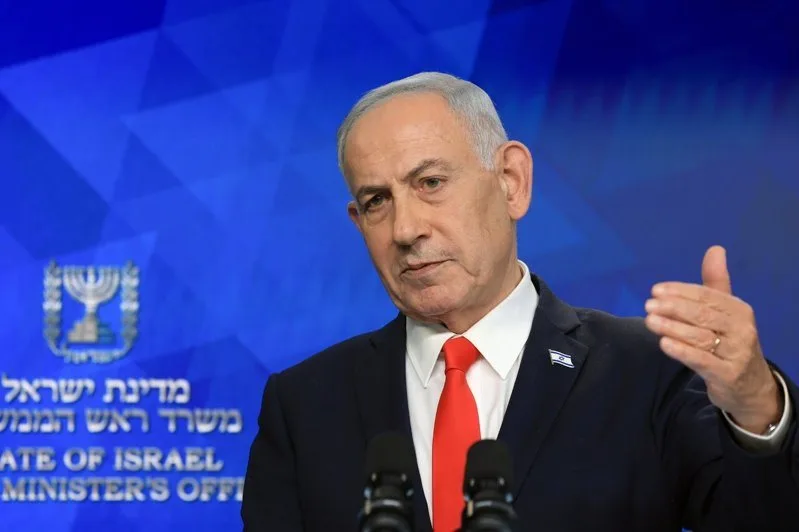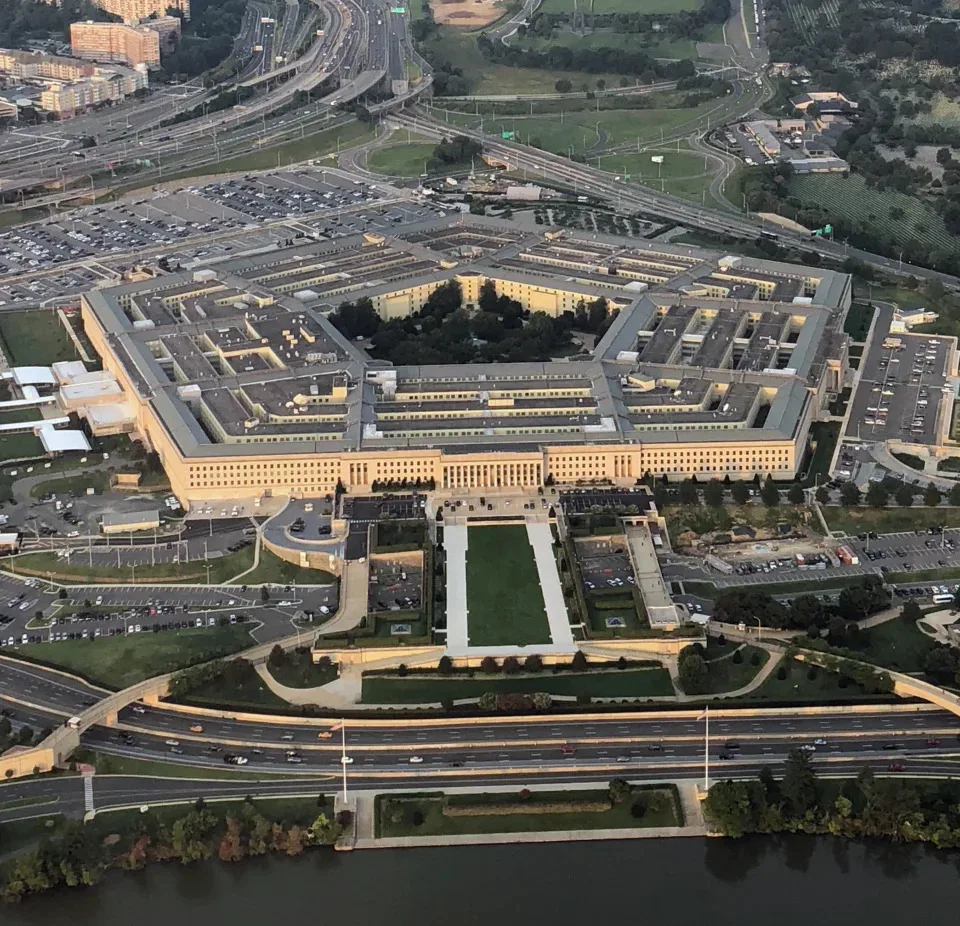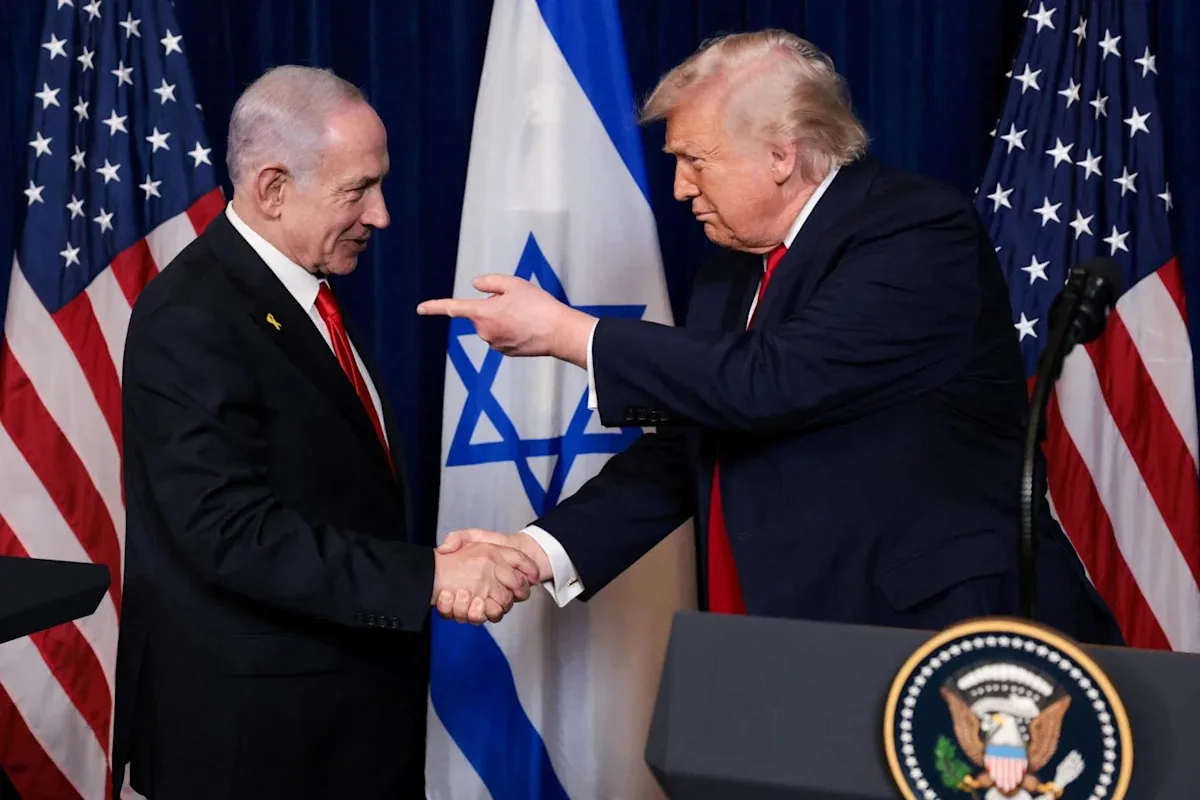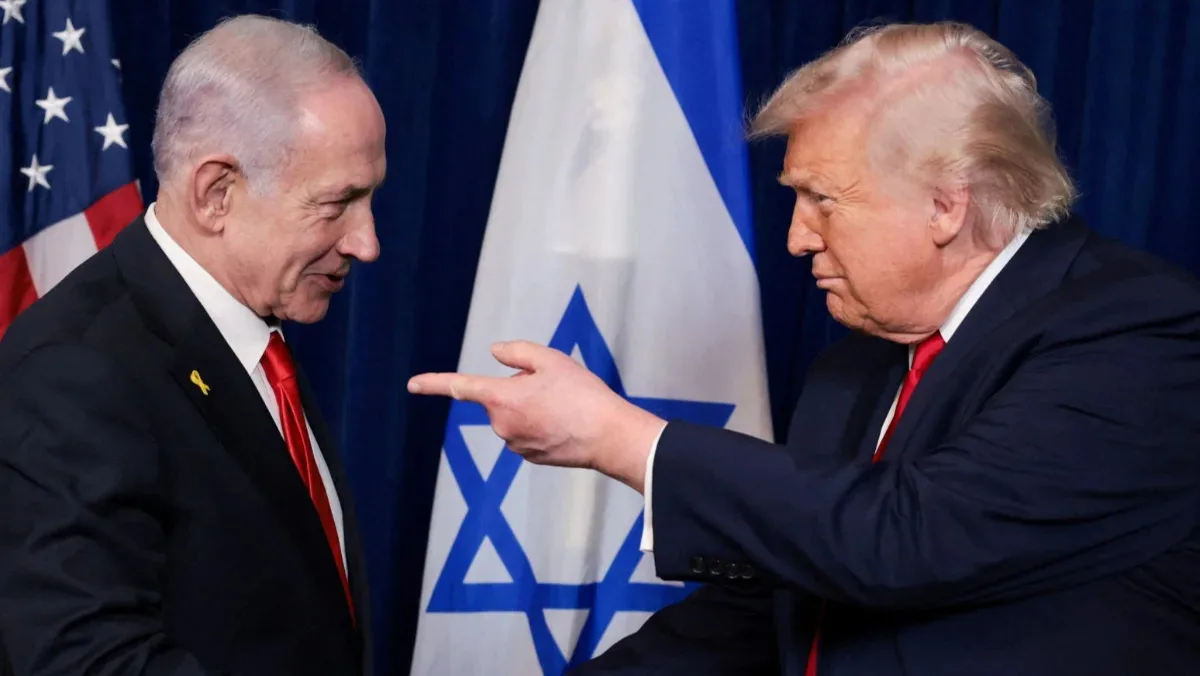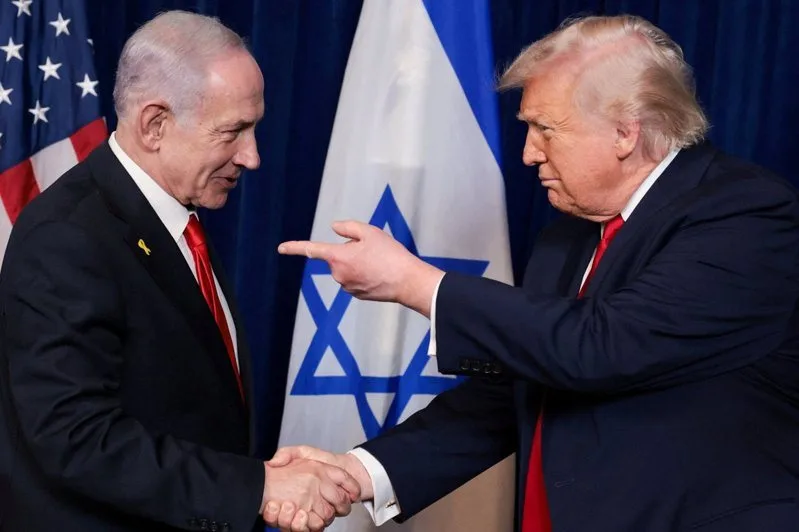
US intelligence agencies warned the Trump administration that Israeli Prime Minister Benjamin Netanyahu plans to continue military operations against Hezbollah in southern Lebanon, risking the collapse of a preliminary US-Iran peace agreement signed on June 18, 2026 [1, 2, 3, 4].
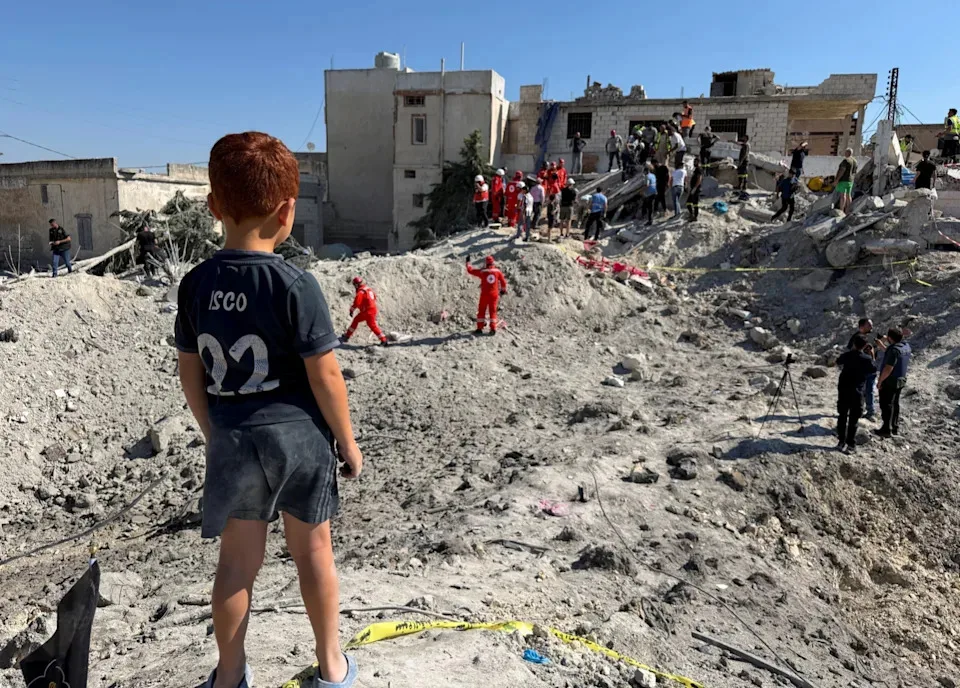
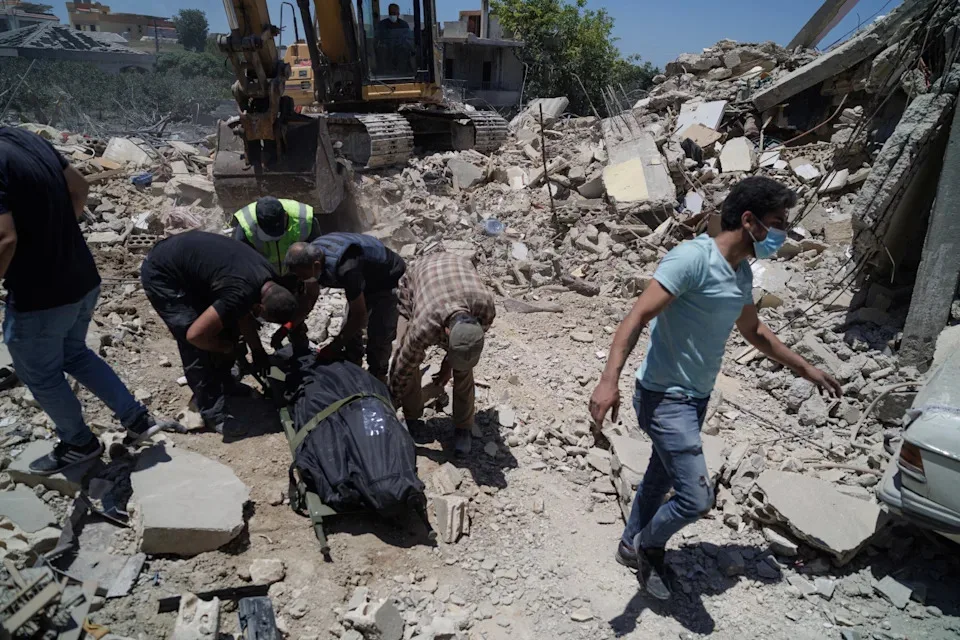
The peace agreement includes a ceasefire covering all fronts in Lebanon. Netanyahu’s intentions to maintain a military presence and carry out strikes against Hezbollah violate these conditions, US officials said [1, 2, 4]. Israeli actions on June 19, involving heavy shelling in southern Lebanese towns, led to a halt in peace talks between the US and Iran [3].
A US official said Netanyahu wants to "show voters he will not withdraw from Lebanon and intends to escalate conflict with Hezbollah, closely tied to his political future" ahead of Israel’s parliamentary elections in October 2026 [1]. Israeli public opinion polls reveal rising discontent toward Netanyahu, with 59% of respondents saying he should leave politics and not seek reelection, while roughly a third support his return to power [2, 4, 5].
Despite the ceasefire terms, US officials stress the memorandum does not bar Israel from retaliating if Hezbollah attacks first, though Netanyahu and his supporters view the deal as restricting Israel’s freedom to pressure Iran [1, 2, 3, 4]. Continuing Israeli military presence in southern Lebanon, even without intensified strikes near Beirut, could cause the US-Iran deal to collapse [1, 2, 4].
Tensions between Netanyahu and the Trump administration surfaced on June 20, when Trump reposted a social media article implying he holds an "ace" on Netanyahu’s reelection and urged him to be "more rational" [3, 6]. The US has also reportedly opened secret channels to Netanyahu’s political rivals, including former Prime Minister Naftali Bennett and ex-IDF Chief Gadi Eisenkot, preparing for the possibility of Netanyahu’s electoral defeat [5].
On June 21, US and Iranian officials began formal talks in Switzerland aimed at advancing the peace agreement, with the Israeli-Lebanese conflict a central issue [5]. Meanwhile, the situation remains fragile as Netanyahu’s political calculations continue to clash with the terms of the ceasefire.