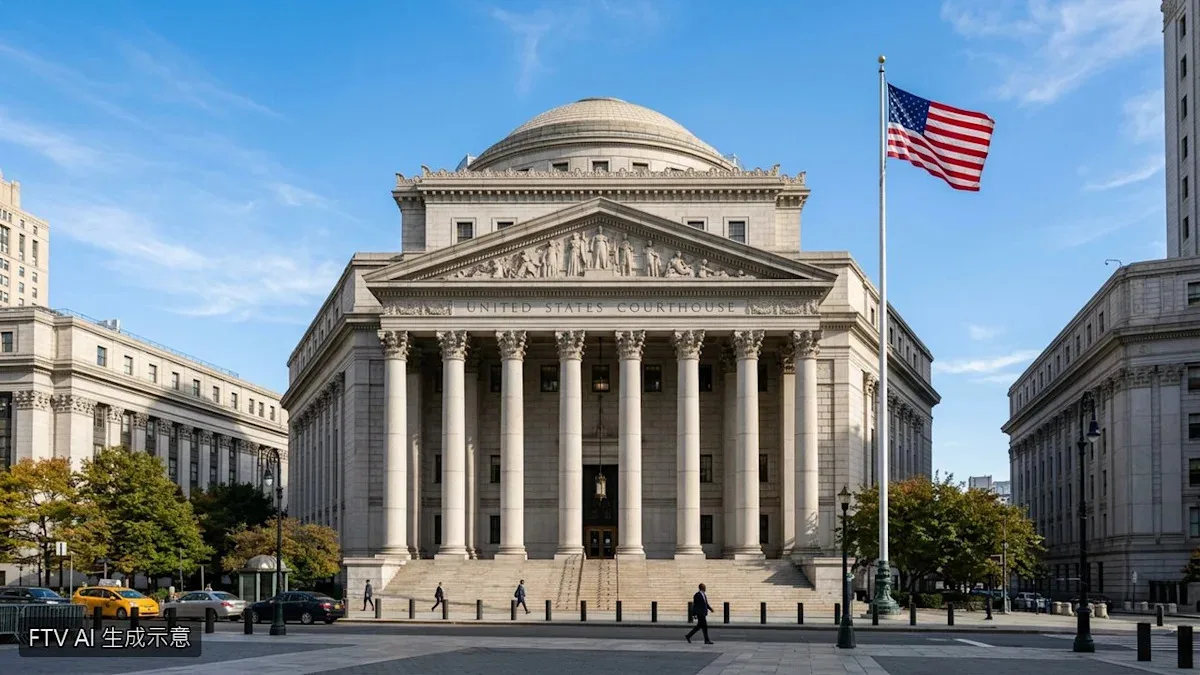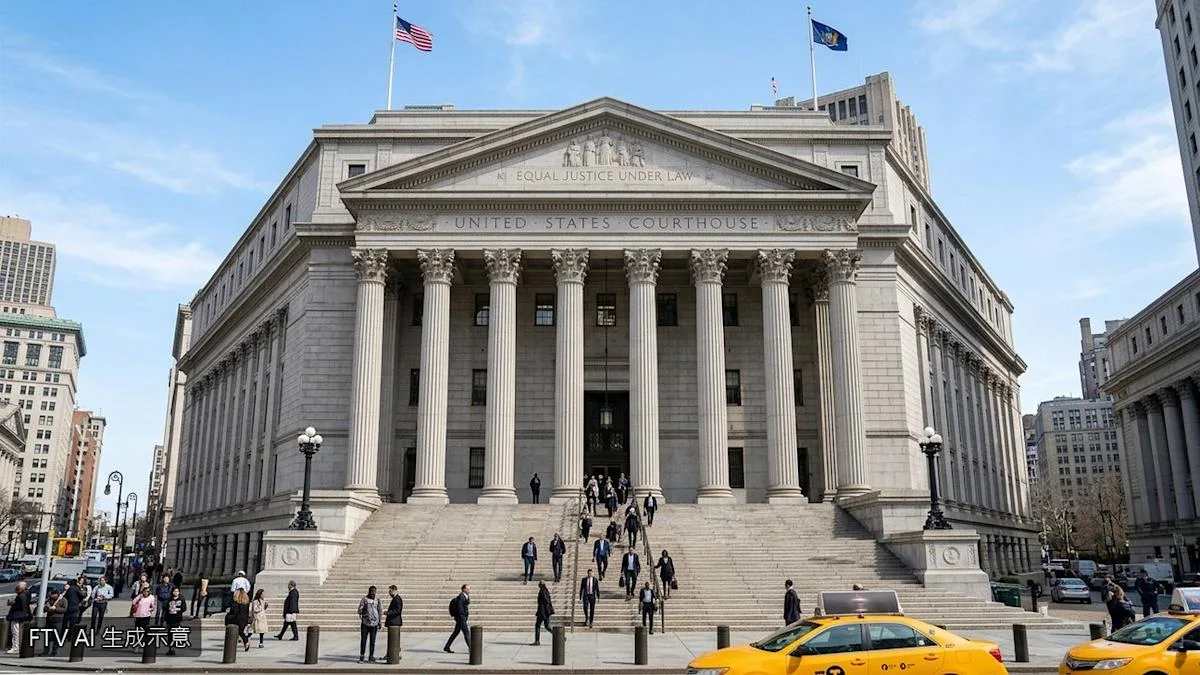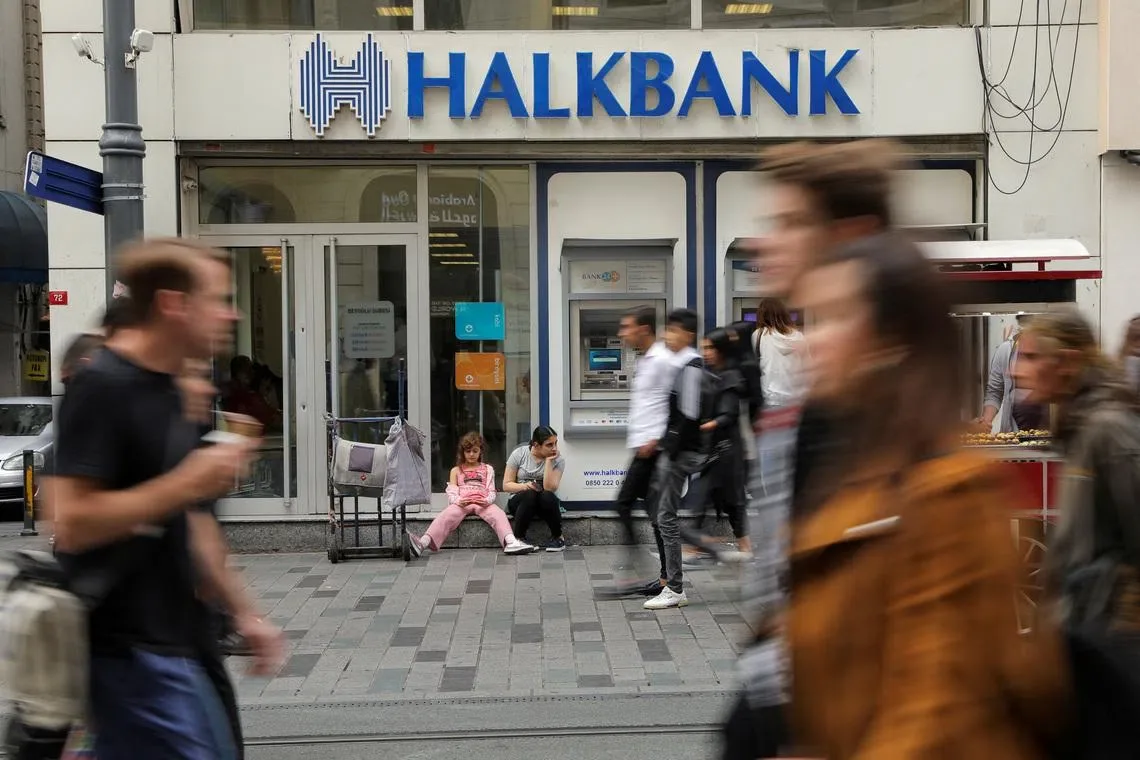
US District Judge Richard Berman paused the criminal case against Turkey's Halkbank to allow 90 days of compliance monitoring following a settlement deal between US prosecutors and the bank [1, 2, 3]. The case alleges Halkbank helped Iran evade US sanctions by secretly transferring up to $20 billion to convert oil revenues into gold and cash, using forged documents to justify the transactions [2, 3].
Reza Zarrab, a Turkish-Iranian gold trader, pleaded guilty in October 2017 to conspiracy to evade US sanctions and testified against former Halkbank official Mehmet Hakan Atilla, who was convicted in the case [1]. Halkbank was charged in 2019 but denied wrongdoing, refusing to admit criminal liability or pay fines as part of the settlement [1, 2, 3].
On June 17, 2026, Judge Berman held a hearing to consider prosecutors' motion to dismiss the case based on Halkbank's compliance during the monitoring period [1, 2, 3]. The oversight firm Ernst & Young reported no violations by the bank during the 90-day review [2, 3]. Judge Berman had earlier set the sentencing of cooperating witness Reza Zarrab for July 14, 2026, nearly nine years after Zarrab’s initial guilty plea [1].
The Halkbank case has contributed to tensions between the US and Turkey since charges were filed in 2019 [2, 3]. After former President Trump returned to office, US-Turkey relations improved, and Trump reportedly told Turkish President Tayyip Erdogan that the Halkbank issue "已經解決" (has been resolved) [2]. The US Department of Justice stated that dropping charges against Halkbank would advance its diplomatic goals to curb Iran's influence in the region [3].
Halkbank shares soared on the Istanbul stock exchange following the announcement of the settlement deal earlier this year in March 2026 [1]. Judge Berman is expected to issue a ruling soon on whether to dismiss the charges against Halkbank, marking a potential conclusion to the high-profile case.