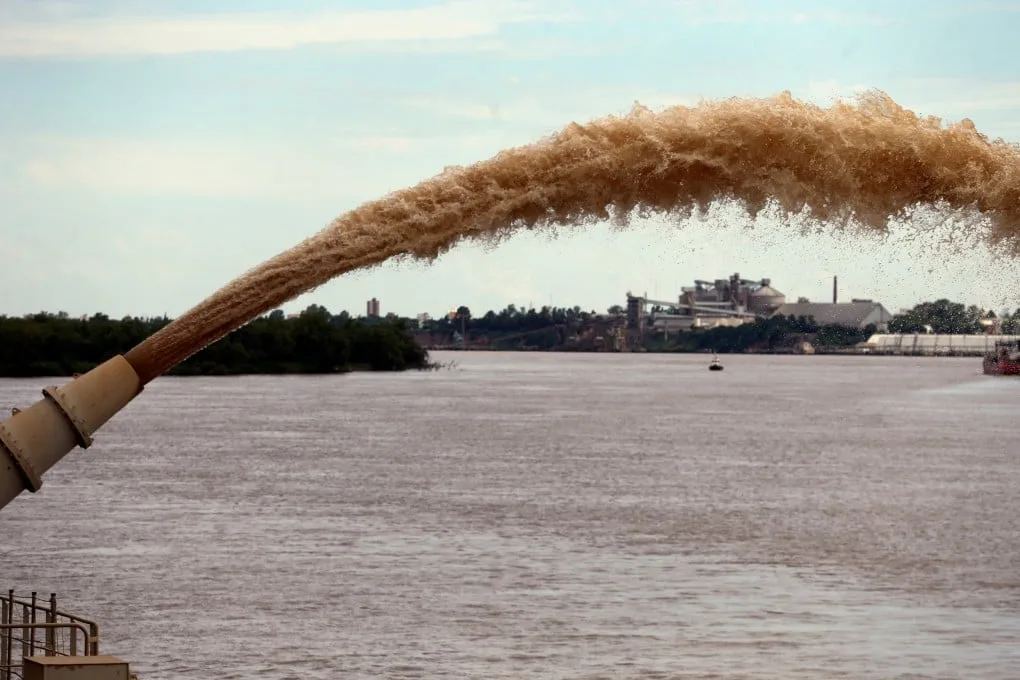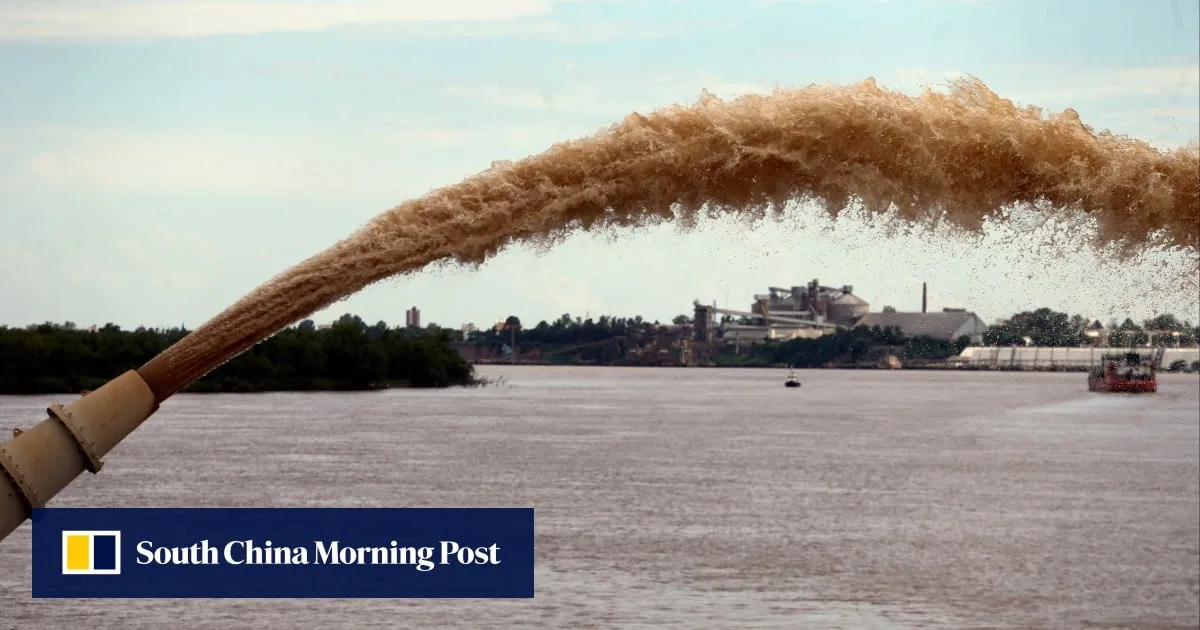
US House Foreign Affairs Committee Chairman Brian Mast alerted Secretary of State Marco Rubio about Chinese malign influence in a 25-year contract auction to dredge and operate Argentina’s Parana River [1, 2]. The contract involves an estimated US$10 billion investment and is a major infrastructure priority for Argentina President Javier Milei [1, 2].
The tender explicitly barred state-owned companies to exclude Chinese state-owned firms from bidding [1]. Mast alleged China is attempting to bypass the ban through private sector proxies, specifically pointing to Jan De Nul’s Argentine partner Servimagnus, which he said has extensive ongoing connections to Chinese state-owned enterprises [1, 2]. Jan De Nul is a Belgian dredging company managing the waterway since the 1990s and is competing for the contract [1, 2].
Jan De Nul leads the bidding process based on the tender’s point-score system [1]. Its main competitor is the Deme Group consortium, which includes American firms KKR and Great Lakes Dredge & Dock Corporation [1, 2]. Deme Group’s bid includes a Chinese supplier of security cameras [2].
Jan De Nul and Servimagnus denied the Chinese influence allegations. Jan De Nul called the claims false and malicious and said it would use US technology if awarded the contract [2]. Servimagnus stated it had past ties with China Communications Construction Shanghai Dredging Company but currently holds no links to Chinese state-owned entities [2].
Mast warned that awarding the contract to Jan De Nul would damage both Argentina’s and the US’s national security and bilateral relations [1]. The open tender process allows objections, but none have been submitted so far [2]. The Trump administration, a close ally of Milei, has expressed concerns over Chinese influence in Latin America, including Argentina [1].
The final decision on the contract is expected in mid to late June 2026 [1].