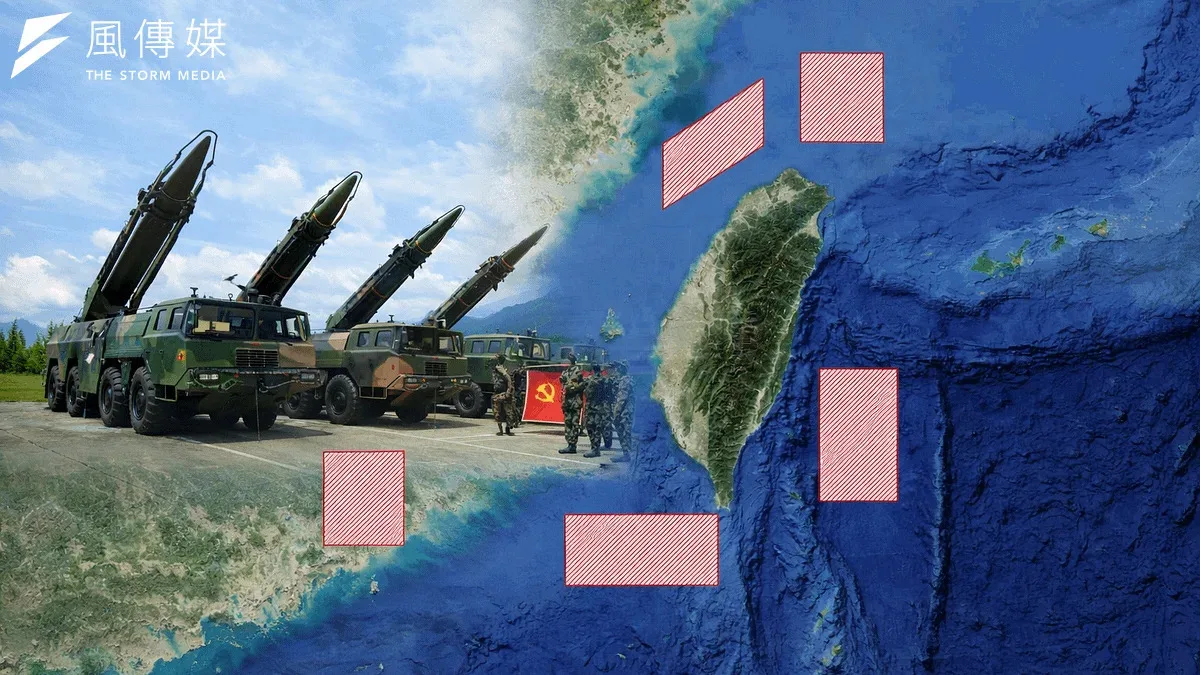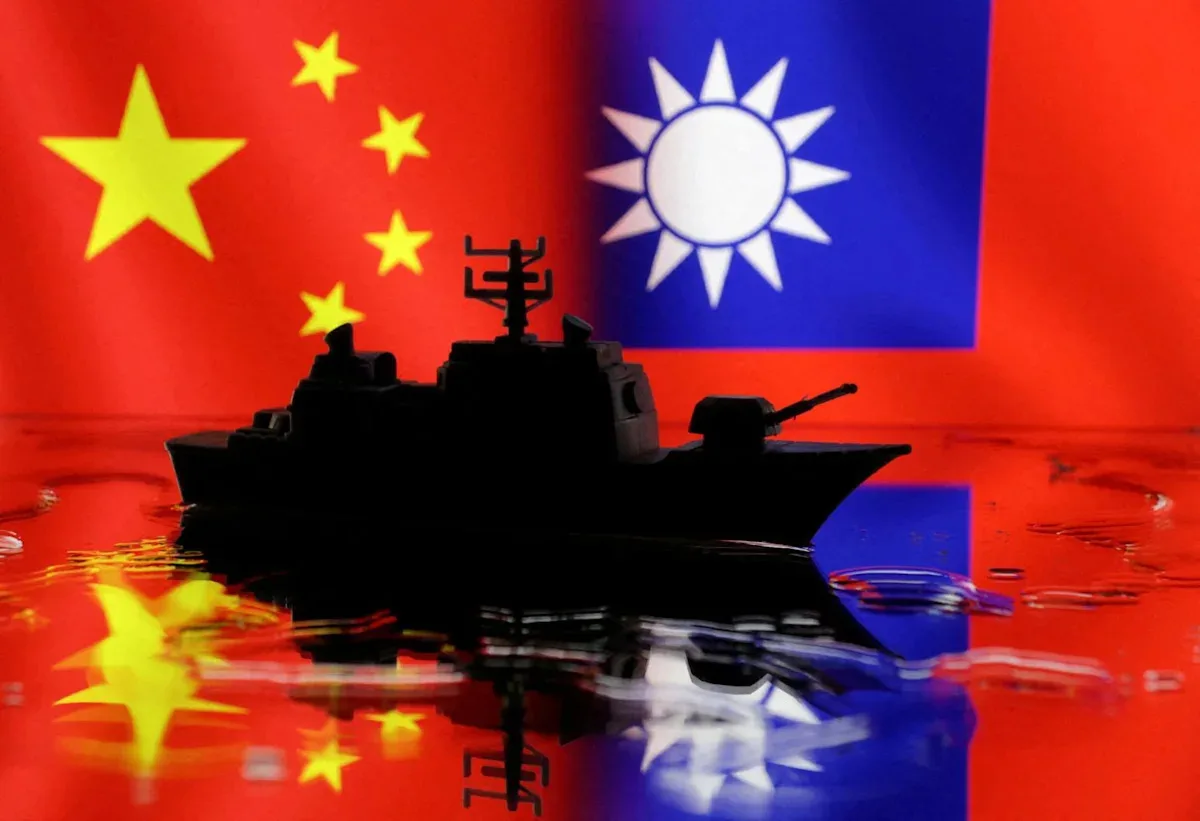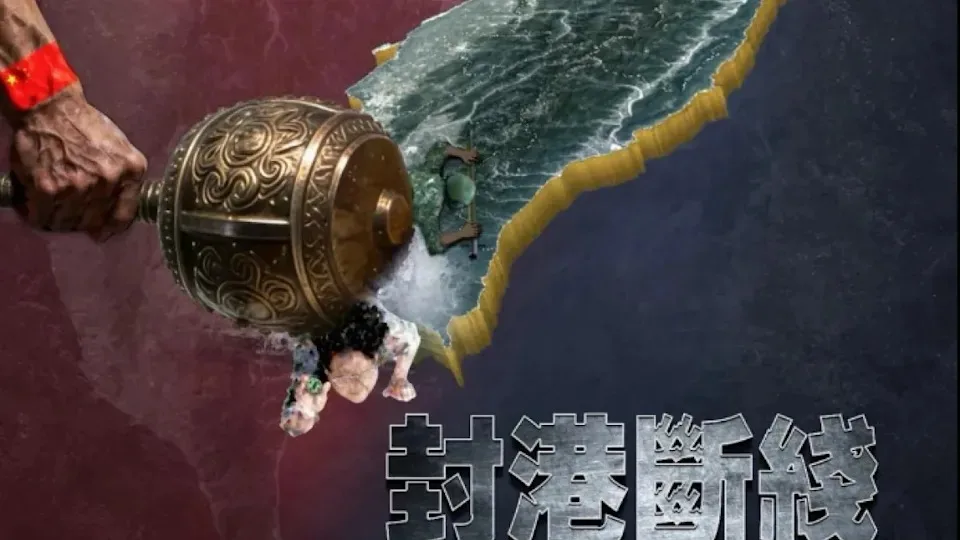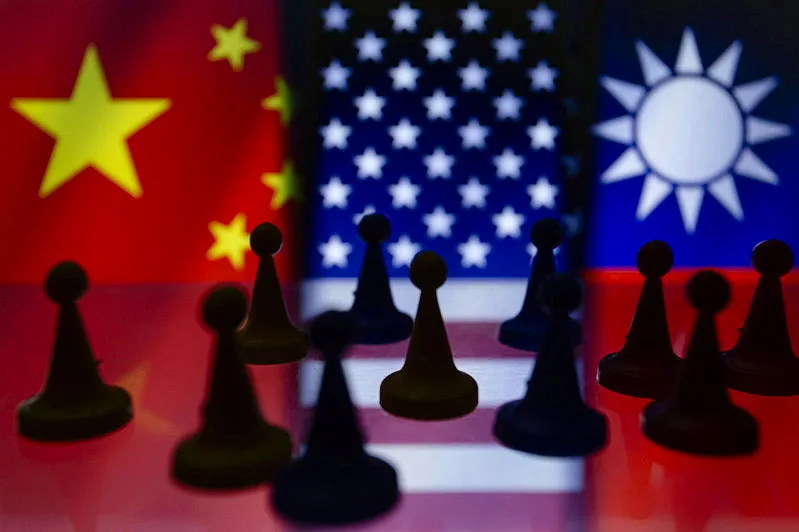
The Washington Post Intelligence and New Lines Institute conducted a war game on July 30, 2026, simulating a scenario where China pressures Taiwan through energy supply restrictions and economic tactics, avoiding military attack [1, 2, 3, 4, 5, 6]. The exercise was set in September 2026 after hypothetical US-China talks on tariffs, technology, and Taiwan fail. In the scenario, China enforces a "Clean Energy Act" requiring all coal and liquefied natural gas (LNG) shipments to Taiwan be approved and routed through Chinese ports [1, 3, 4, 5, 6].
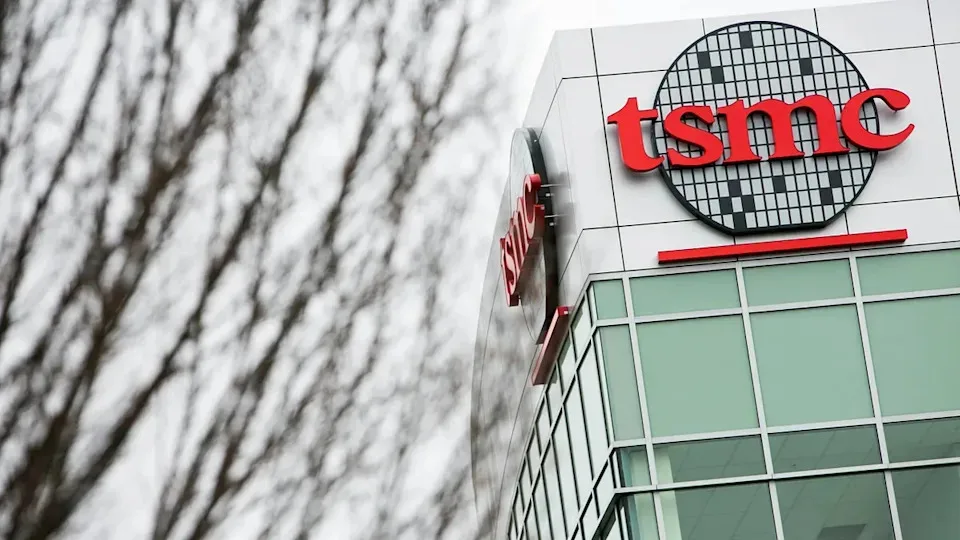
Taiwan heavily relies on energy imports, with about 97% coming from abroad. The island’s semiconductor giant, TSMC, consumes roughly 10% of Taiwan’s electricity and accounts for 95% of the world's advanced chip production, making Taiwan vulnerable to energy disruptions [1, 3, 4, 5, 6]. Beijing’s simulated strategy included cutting critical mineral exports by 10% to 50% to US allies while exempting Taiwan, accompanied by increased Chinese investments on the island to create divisions among the US, Japan, Australia, and Taiwan [1, 2, 3, 4, 5, 6].
The US and Japan responded with enhanced military cooperation and sanctions targeting China, while Australia chose a lower military profile and deepened its economic ties with China, weakening allied cohesion against Beijing's pressure [1, 2, 3, 4, 5, 6]. Despite the tensions, the war game ended without open warfare or enforcement of the Clean Energy Act, but it showed significant disruptions in supply chains and regional security [1, 2, 3, 4, 5, 6].
AI-driven reruns of the scenario depicted a more aggressive Chinese approach alongside more restrained US economic countermeasures. Corporations adapted by diversifying supply chains and increasing buffer stocks rather than hoarding [1, 2, 4, 6]. This highlighted Taiwan’s critical energy and semiconductor vulnerabilities as potential leverage points for Beijing’s non-military coercion.
Reports noted that Taiwan’s loosening of trade restrictions toward China during the crisis in the simulation enhanced Beijing’s ability to divide the US-led alliance [1, 2, 3, 4, 5, 6]. The New Lines Institute recommended that governments and companies preplan for energy and supply disruptions, prioritize customers early during shortages, and reduce dependence on Chinese supply chains [1, 2, 4, 5].
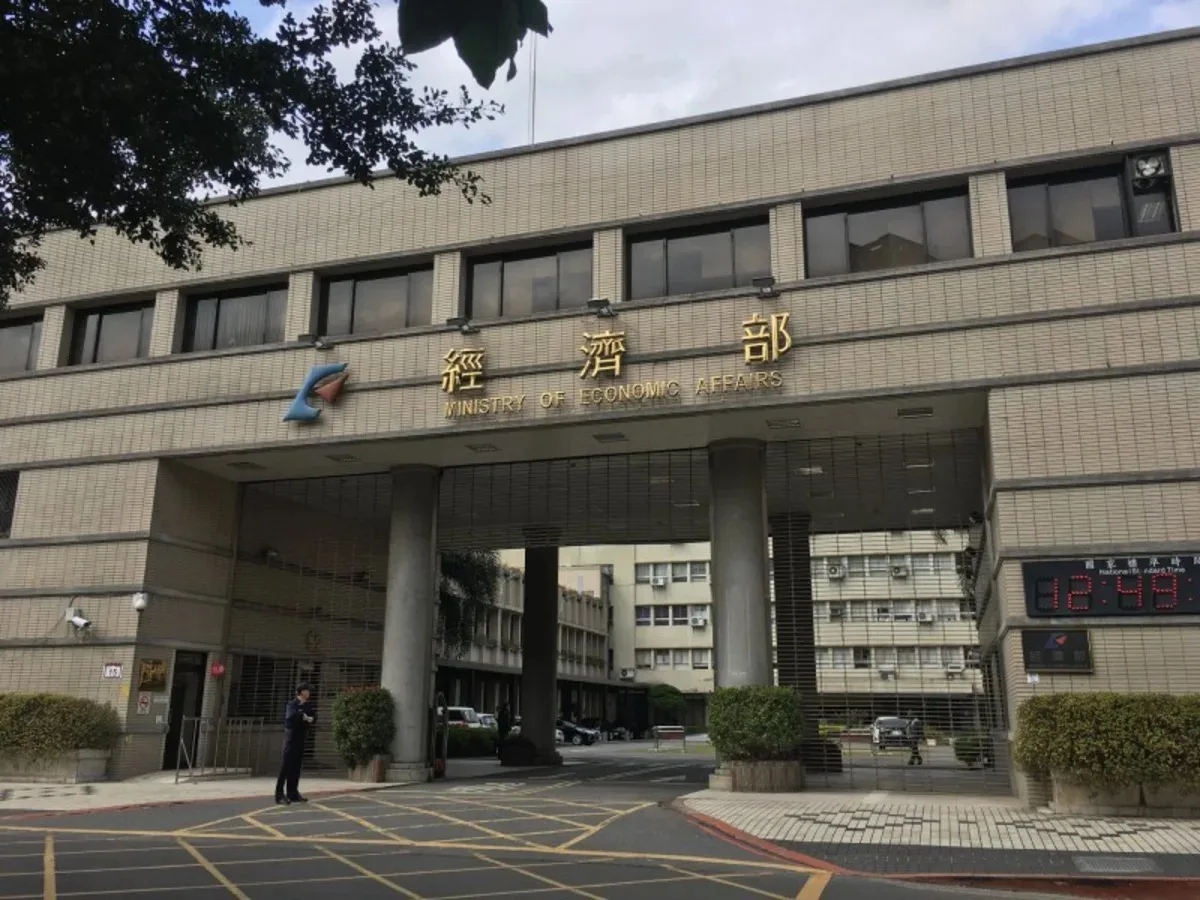
Taiwan’s Ministry of Economic Affairs responded to the war game findings by affirming ongoing efforts to diversify energy import sources from 14 countries and expand renewable energy capacity. The ministry stated, “The government continues to promote diversified procurement to reduce energy import risks and actively expand renewable energy to enhance supply resilience, ensuring stable domestic gas and power supply,” reassuring the public [7, 8, 9, 10].
The war game sheds light on the complex geopolitical challenges posed by Taiwan’s resource dependencies. The scenario's crisis period remains simulated for September 2026, with no real conflict occurring.