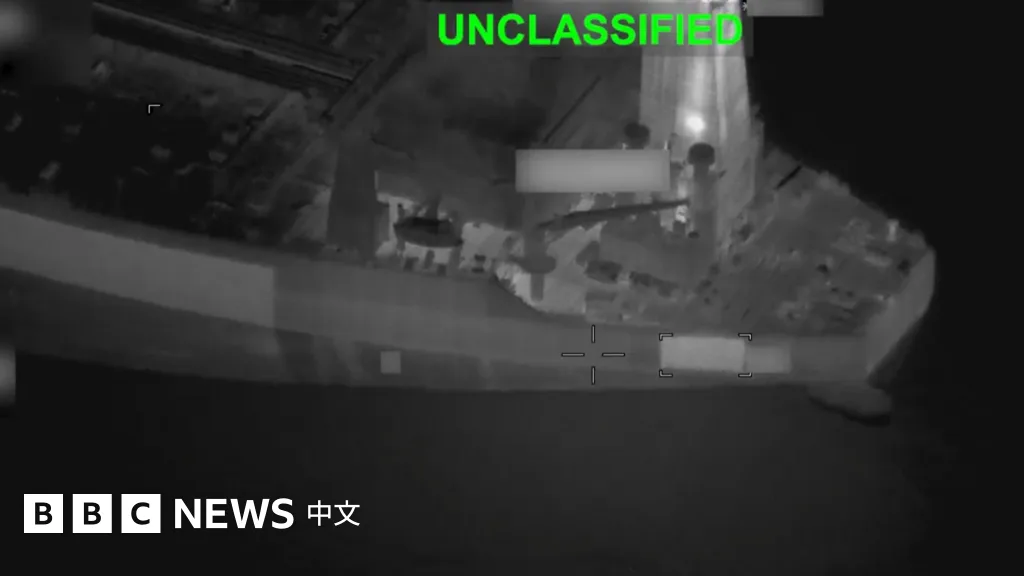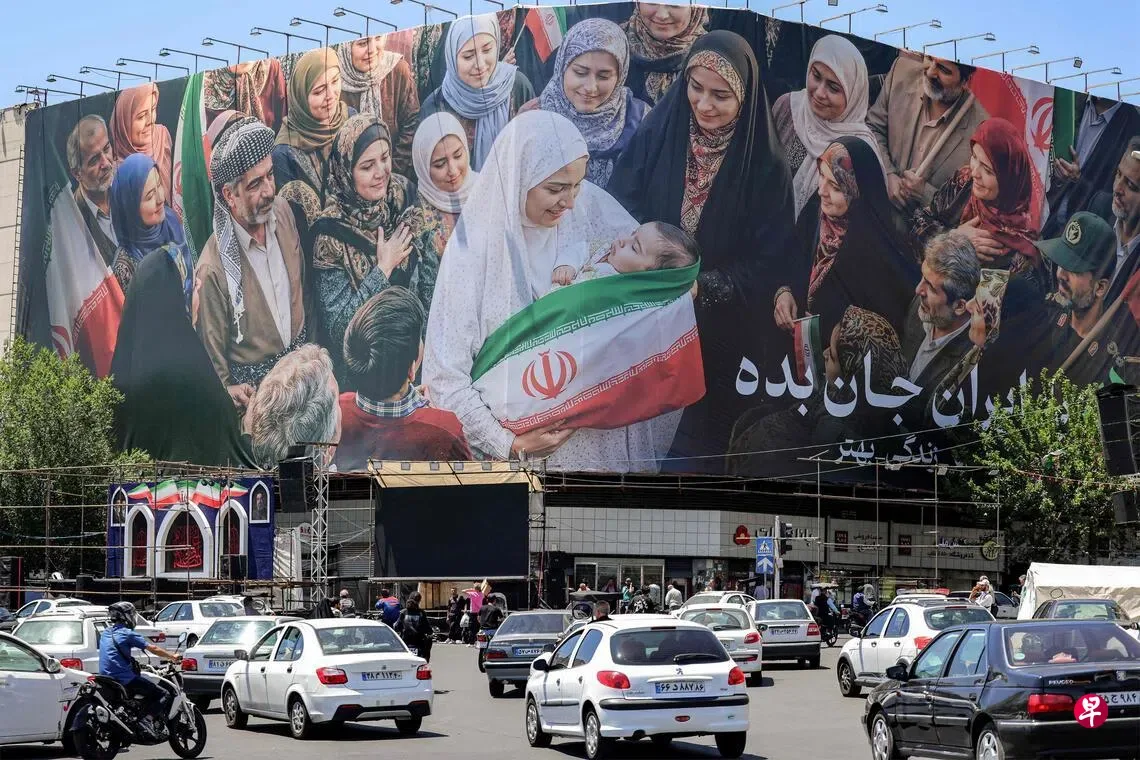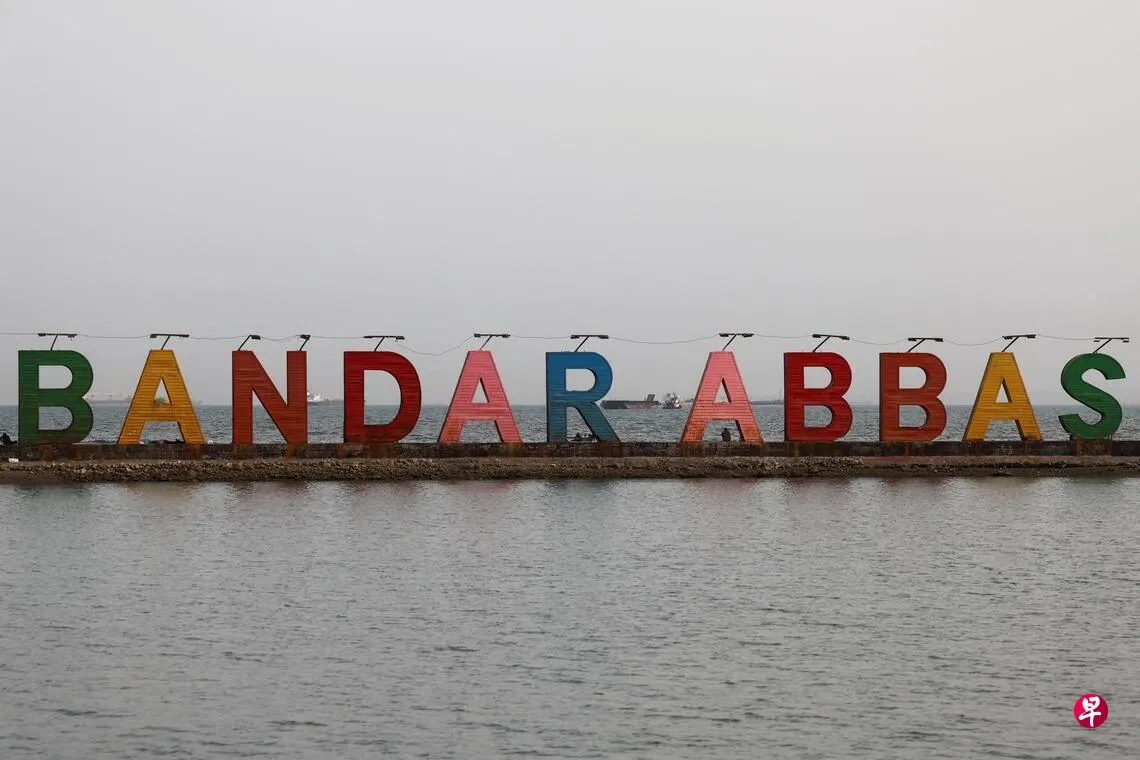
The US Central Command conducted defensive air strikes on May 25 targeting Iranian missile launch sites and boats attempting to lay mines near Bandar Abbas, a key port city in southern Iran adjacent to the Strait of Hormuz [1, 2, 3, 4]. The strikes aimed to protect US forces from threats posed by Iranian forces during an ongoing ceasefire. "In the course of ongoing ceasefire, US Central Command continues to exercise restraint while defending our forces," spokesperson Tim Hawkins said [2].
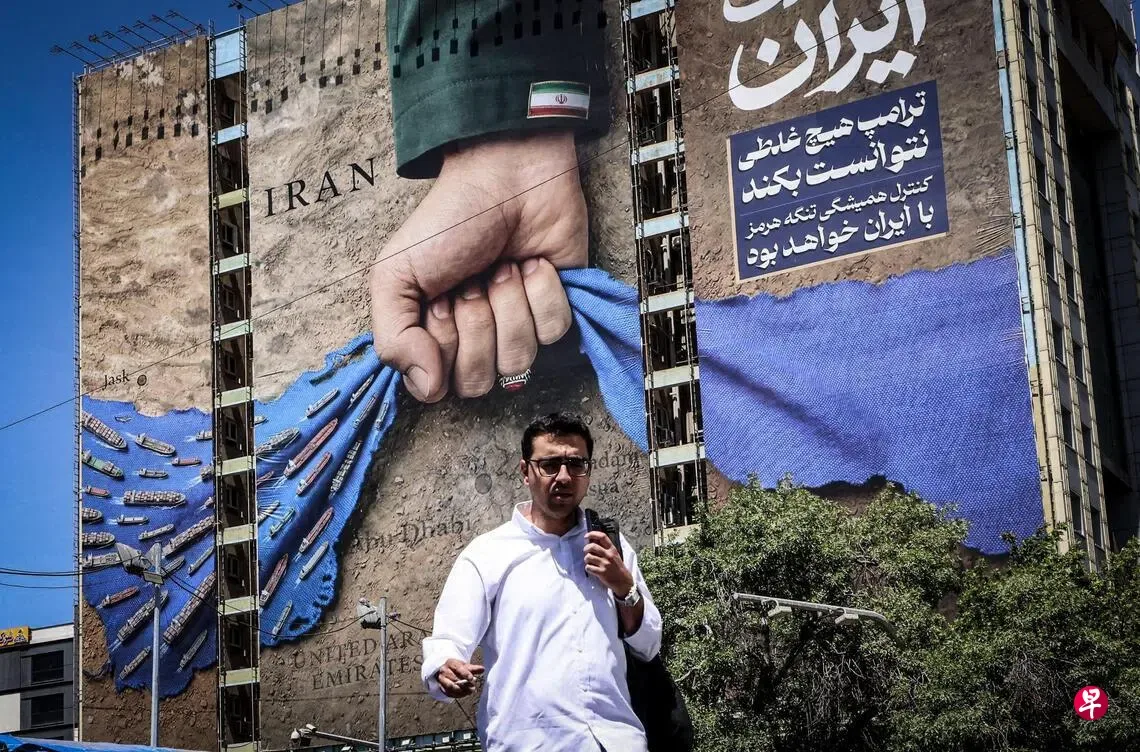
Bandar Abbas hosts a major Iranian naval base and sits beside the Strait of Hormuz, a critical maritime chokepoint where Iran controls most shipping traffic. Prior to the conflict, 125 to 140 ships passed daily through the strait; recently, Iran allowed passage for 32 ships and 5 oil tankers under Revolutionary Guard supervision [3]. The US has enforced a naval blockade since April 13 targeting Iranian-related oil shipments, leading to six commercial vessels becoming disabled and 122 rerouting [5].
The strikes came amid stalled US-Iran peace talks marked by disputes over nuclear terms and navigation rules in the Strait of Hormuz. US Secretary of State Marco Rubio said, "We will see if progress can be made. There are repeated discussions on specific wording in the preliminary documents, so more days are needed" [2]. President Donald Trump demanded Iran "hand over its enriched uranium to the US immediately or destroy it in coordination with the Islamic Republic of Iran," referring to roughly 440 kilograms of 60% purity uranium Iran held at outbreak of hostilities [2, 3]. However, Iranian sources said Iran has not agreed to transfer uranium abroad [3].
On May 27-28, Iran retaliated with missile and drone strikes on US military bases in Kuwait and other Gulf states. Kuwait intercepted a ballistic missile and several drones [6, 5]. The US military shot down multiple Iranian UAVs and ballistic missiles targeting Gulf countries [7, 6, 5]. Iran Revolutionary Guard called the retaliation "a stern warning to make the enemy understand that aggression will be met with reprisal" [8]. Disagreement exists over the exact location of Iranian strikes; some reports cite an undisclosed US air base, others note attacks on bases in Kuwait and Bahrain [8, 6].
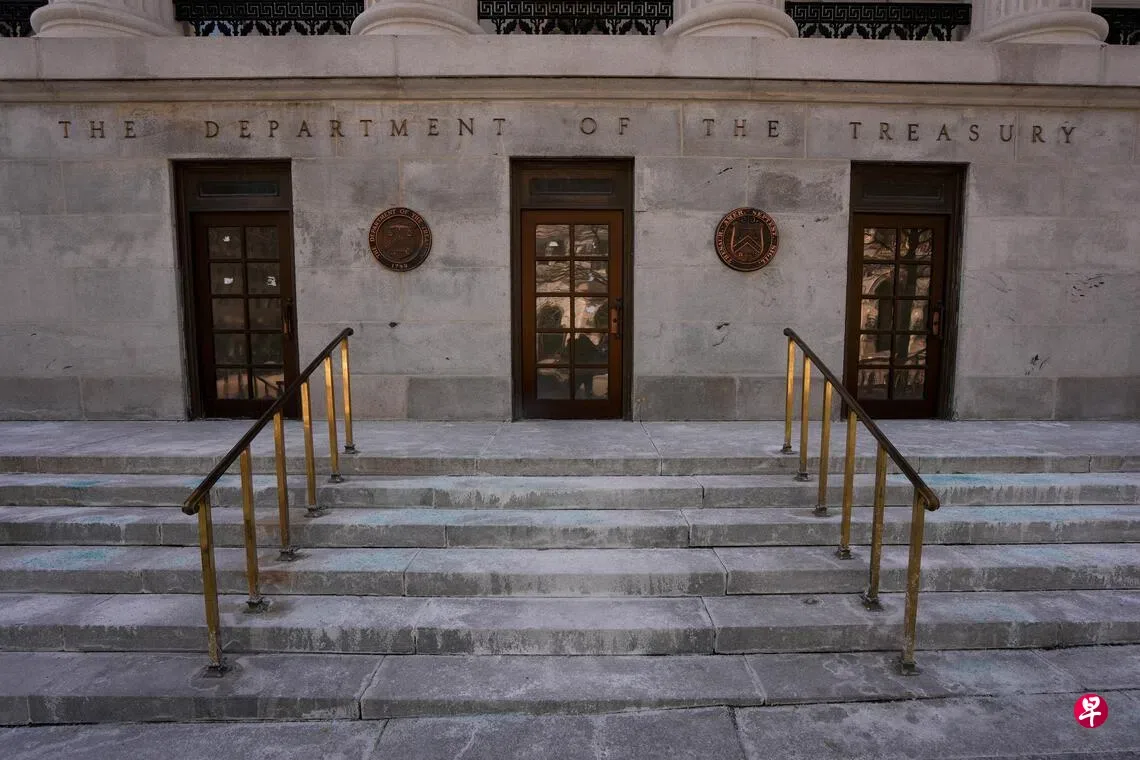
The US Treasury imposed new sanctions on eight Iranian individuals and five entities, including the Persian Gulf Strait Authority and firms tied to oil exports, aiming to tighten economic pressure [9, 10]. The Persian Gulf Strait Authority had announced new control rules for the Strait of Hormuz on May 20 [11].
Since February 28, the US and Israel have launched major strikes on Iran, escalating regional conflict and threatening shipping through the Strait of Hormuz [2, 3, 5]. Allegations also surfaced that the UAE conducted numerous airstrikes targeting Iran with US and Israeli intelligence cooperation [12].
US Secretary of State Marco Rubio stressed, "(The Strait of Hormuz) must be open. What is happening there now is illegal, unsustainable, and unacceptable to the world" [3].
The US military continues its naval blockade and defensive operations while peace talks remain stalled. Further developments are expected as diplomacy continues amid ongoing regional tensions.