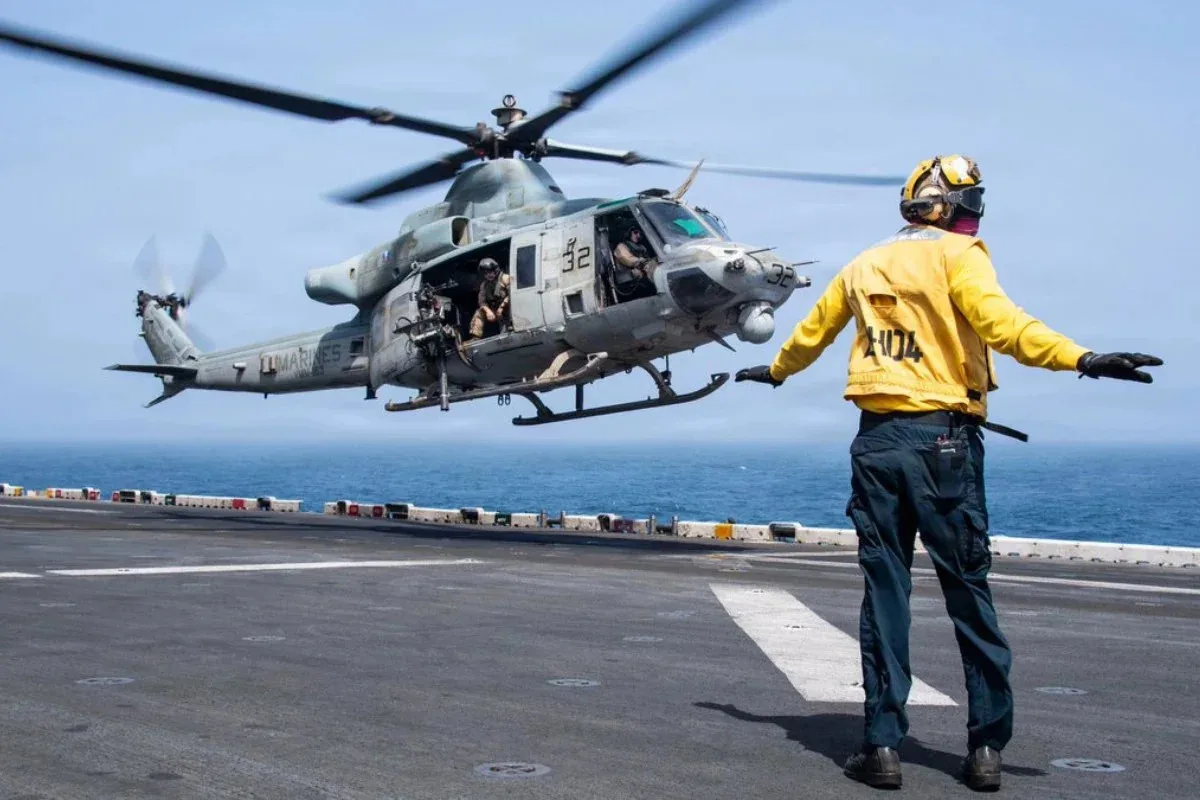
The US Central Command launched a new round of military strikes on September 1, targeting approximately 100 sites belonging to Iran’s Islamic Revolutionary Guard Corps (IRGC) within Iran, including oil tankers, air defenses, and missile launchers near the Strait of Hormuz [1, 2, 3].
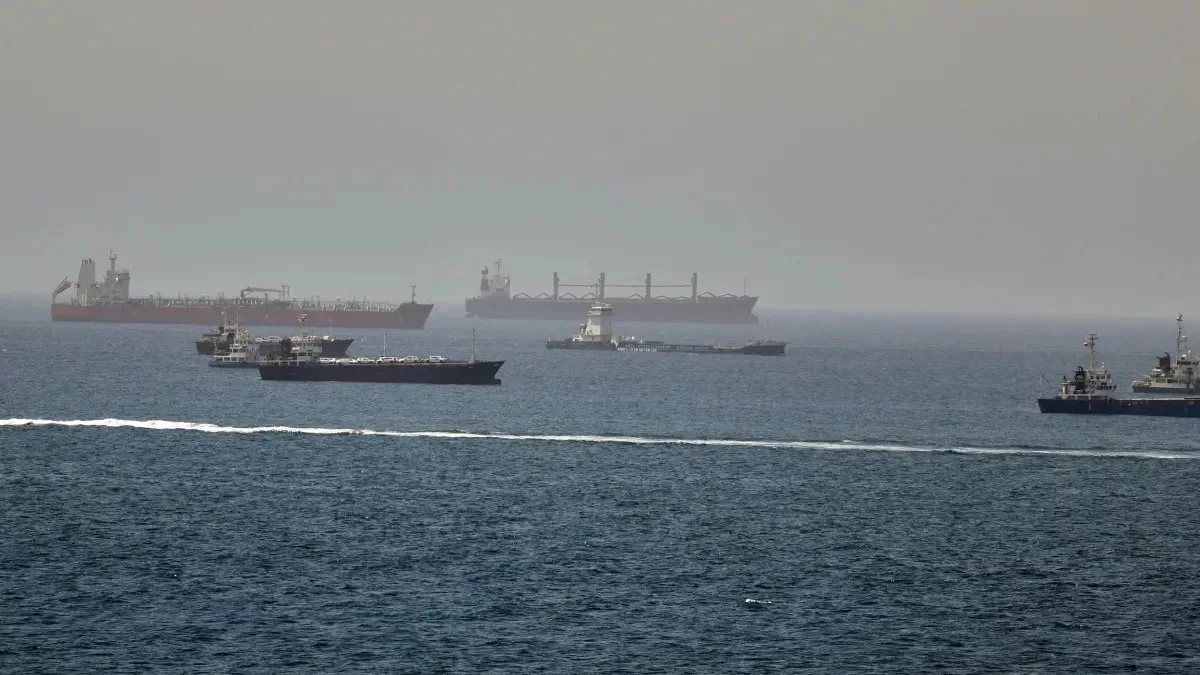
The strikes hit Iranian oil tankers anchored off the coast, marking the first US retaliation directly targeting Iranian oil shipments. Other targets included IRGC radar systems, mine-laying units, communication facilities, anti-ship missile launchers, and attack drone sites [1, 2].
US officials said the military action was in response to Iran’s recent attempts to mine the Strait of Hormuz and its missile and drone attacks on US bases in Jordan and Gulf countries. Iran also shot down a US MQ-9 drone, heightening tensions [4, 5, 1, 2, 6, 7, 3].
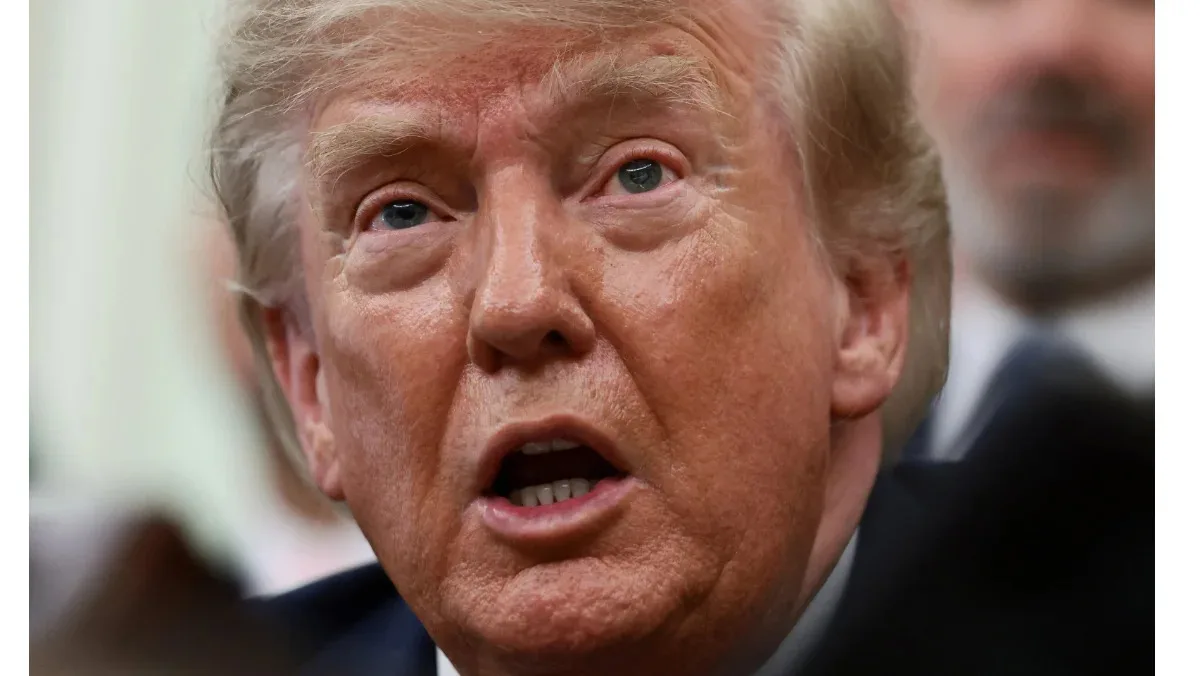
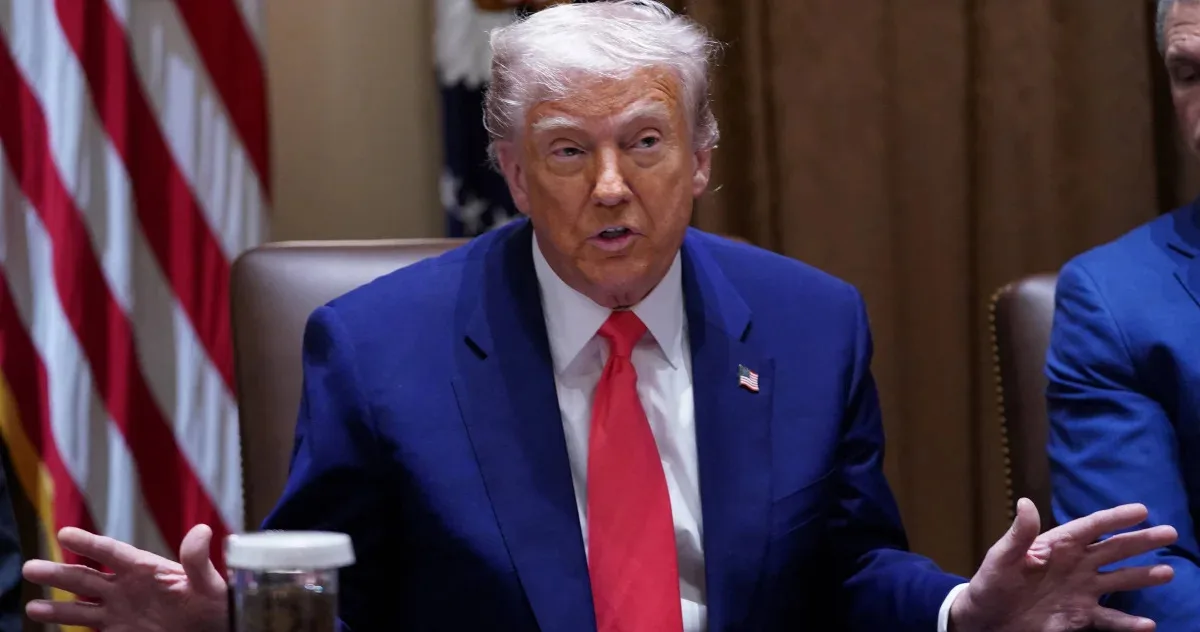
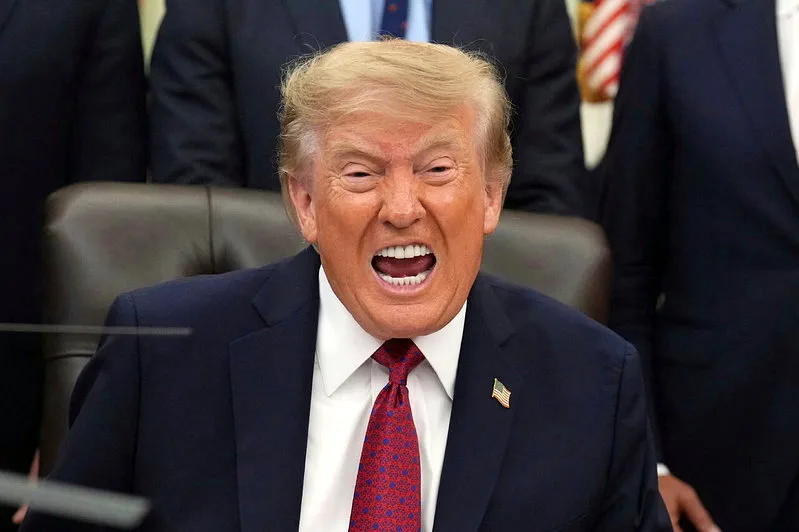
President Donald Trump warned on social media that any Iranian retaliation would be met with a "more severe, more intense" US response and that larger-scale operations are being prepared, though he denied considering nuclear weapons, saying Iran has already been militarily defeated [4, 5, 8, 9, 3].
Following the US strikes, Iran launched multiple missile and drone attacks on US military bases in Jordan, Bahrain, Kuwait, and Iraq. Most attacks were intercepted, with no major damage reported by US forces [1, 2, 7, 3].
Despite the sharp escalation, US forces have continued to escort commercial ships through the Strait of Hormuz to protect shipping lanes critical for oil transit [1, 2, 3]. The number of tankers passing the strait has fallen sharply, with just five recorded on August 31, reflecting increased disruption [3].
US officials described a possible ongoing strategy of limited strikes to prevent Iran from rebuilding military capabilities threatening shipping, likening it to "mowing the lawn" or "tanker for tanker" policies near the Strait of Hormuz [1, 2, 10, 3].
Over 50,000 US troops are deployed in the region under heightened alert and readiness for further combat actions [3]. Iranian officials have warned the strait is fully under their control and vowed strong retaliation if the US blocks Iranian energy exports [3].
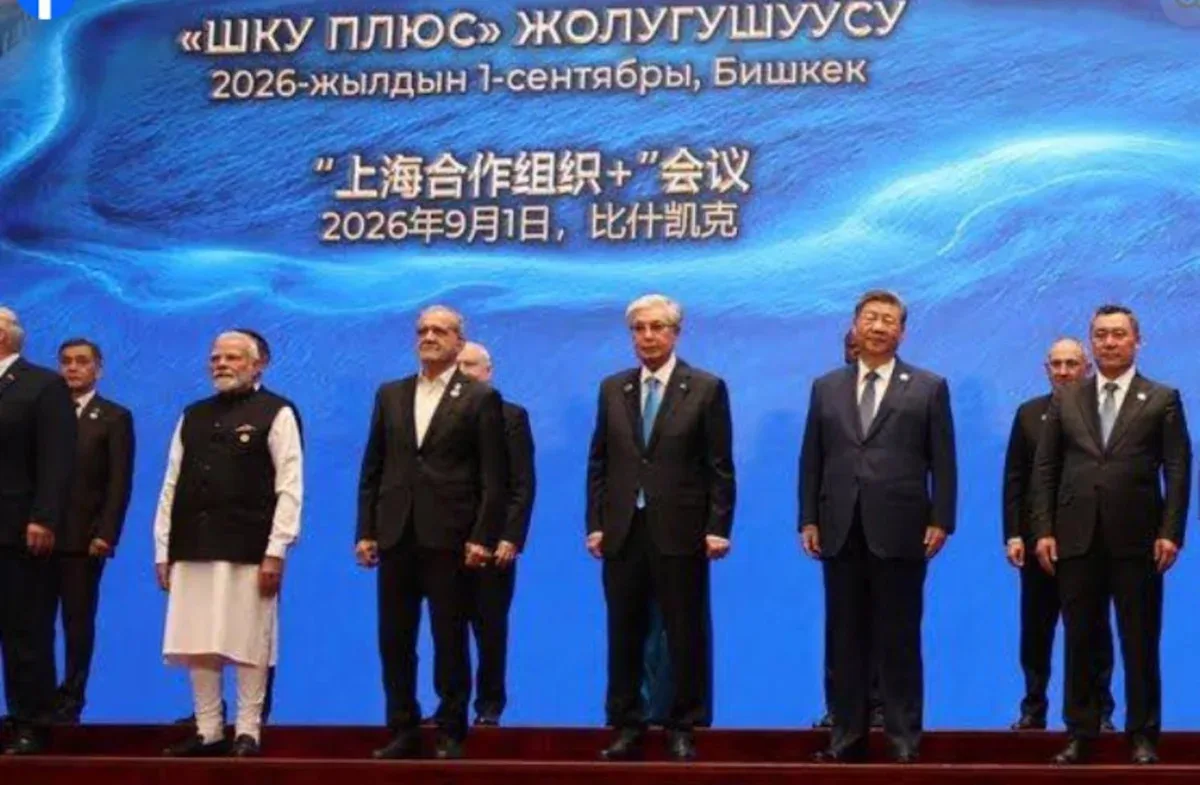
Meanwhile, Iranian President Masoud Pezeshkian met Russian President Vladimir Putin and Chinese President Xi Jinping at the Shanghai Cooperation Organization summit in Kyrgyzstan on September 2 amid the ongoing conflict [11].