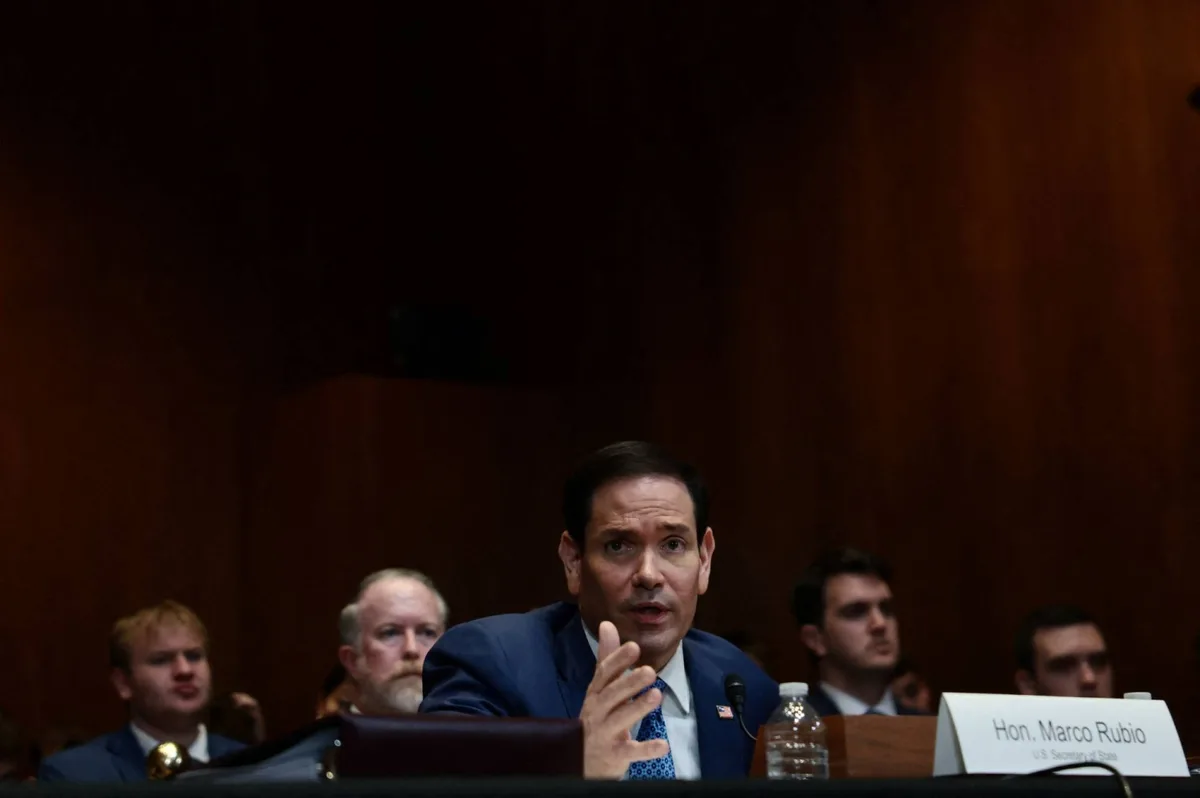
On June 3-4, 2026, US Secretary of State Marco Rubio issued a statement marking 37 years since the 1989 Tiananmen Square crackdown in Beijing, condemning China’s censorship of the event and affirming that victims will be vindicated. "No amount of censorship can erase the past," Rubio said, adding, "Those who sacrificed to uphold their unalienable rights of free expression and peaceful assembly will be vindicated someday" [1, 2].
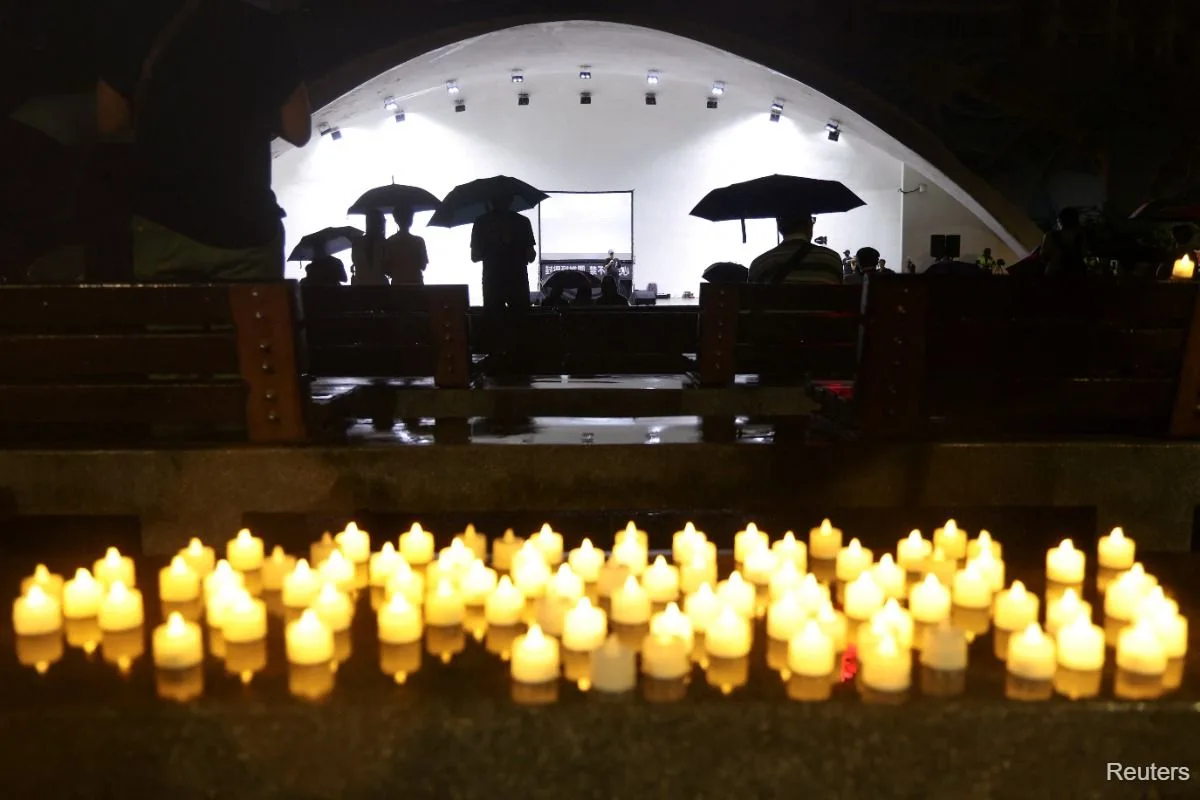
The original crackdown on June 4, 1989, saw Chinese troops and tanks violently suppress student-led pro-democracy protests around Tiananmen Square. Several human rights groups estimate the death toll may run into the thousands, though China has never released an official casualty count, describing the protests instead as "political turmoil" and "counter-revolutionary riots" without confirming figures [1, 3, 4].
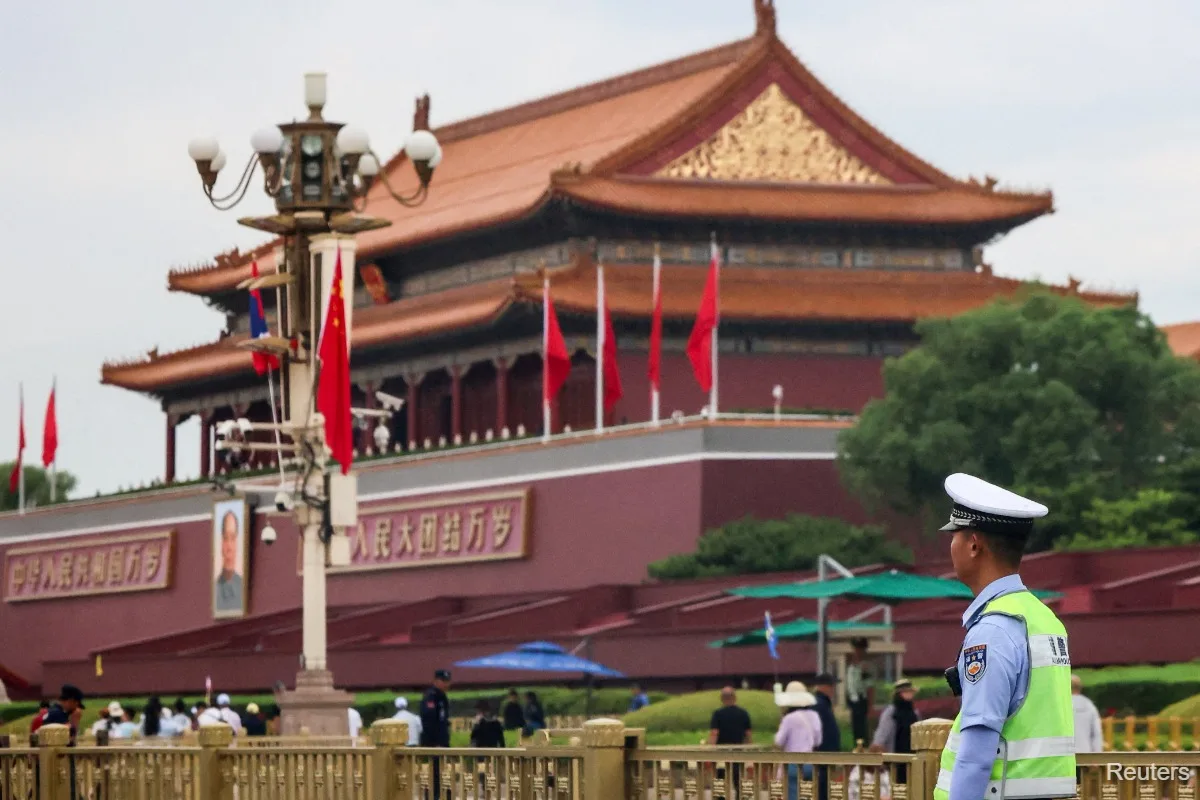
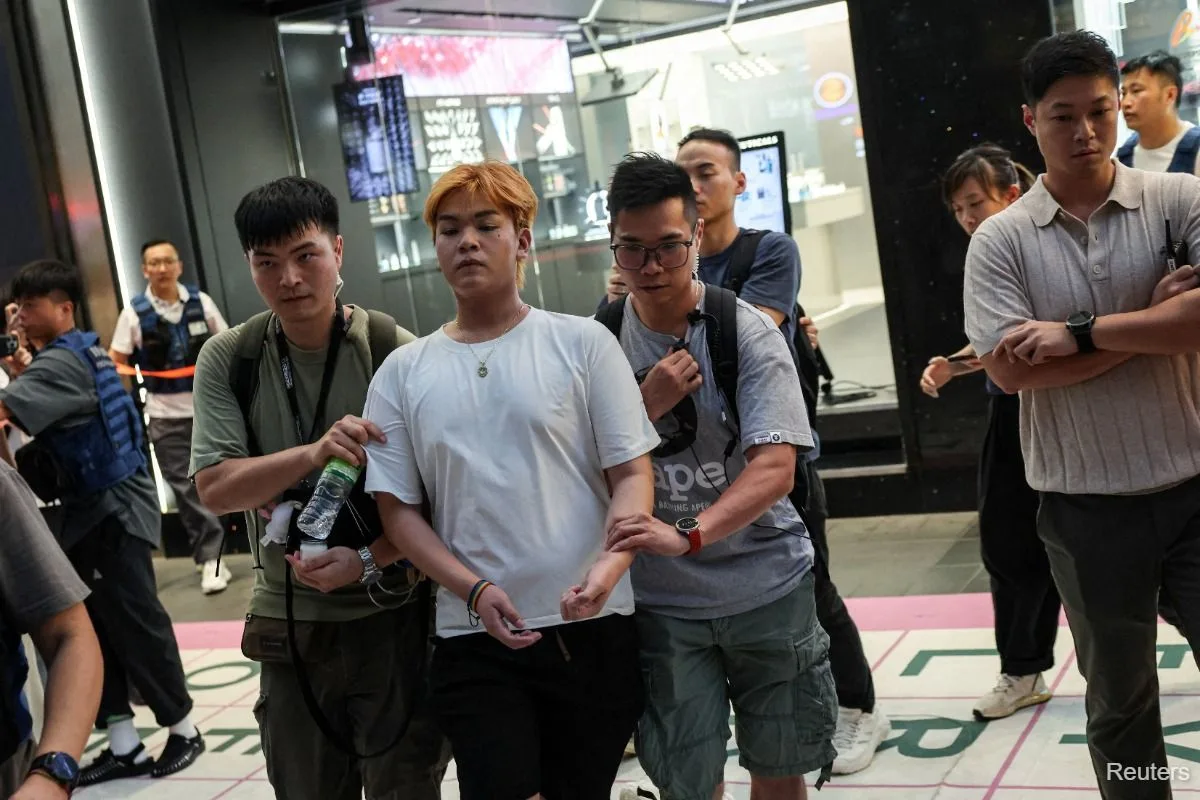
China continues to censor discussion of the Tiananmen massacre, barring public commemoration or acknowledgment within mainland China. On June 4, 2026, Beijing intensified security measures around Tiananmen Square, requiring ID checks and reservations to enter core areas. For the first time, families of victims were barred from holding collective memorials or visiting the Wan'an Cemetery. Zhang Xianling, of the Tiananmen Mothers group, said, "They don't let us go to the Wan'an Cemetery anymore, and we can't even read the memorial speeches or eulogies which used to be routine" [1, 2, 5].
The UK Embassy in Beijing posted a "Tank Man" commemoration video on June 4 that was swiftly removed from Chinese social media [2].
China’s Foreign Ministry spokesperson Mao Ning strongly criticized Rubio's statement, accusing the US of "distorting historical facts, smearing China's political system and development path" and interfering in China’s internal affairs "under the pretext of democracy and human rights" [1, 3, 2].
Taiwan President Lai Ching-te also called on Beijing to confront the past, saying, "I sincerely hope that China can face up to the June 4 incident of 37 years ago, acknowledge the truth, soothe the pain, and open the door to reconciliation and dialogue" [1].
Rubio’s statement and tightened controls around Tiananmen coincided with the annual sensitive anniversary. Security and monitoring remain heightened around this date, underscoring Beijing’s continuing determination to suppress public remembrance of the events of 1989 [2, 5].