Iran's new supreme leader Mojtaba Khamenei, 56, succeeded his father Ali Khamenei after the latter was killed in US-Israeli strikes on February 28, 2026, during which Mojtaba was wounded and has not made public appearances since taking office [1, 2, 3, 4, 5, 6].
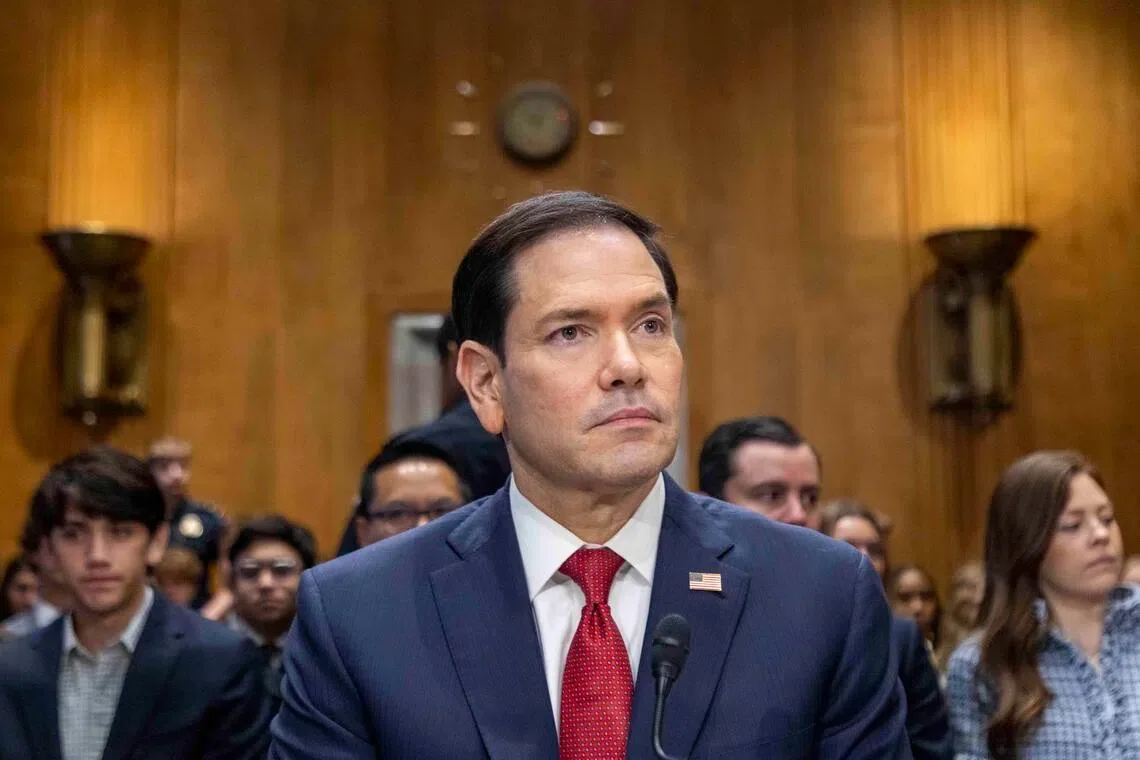
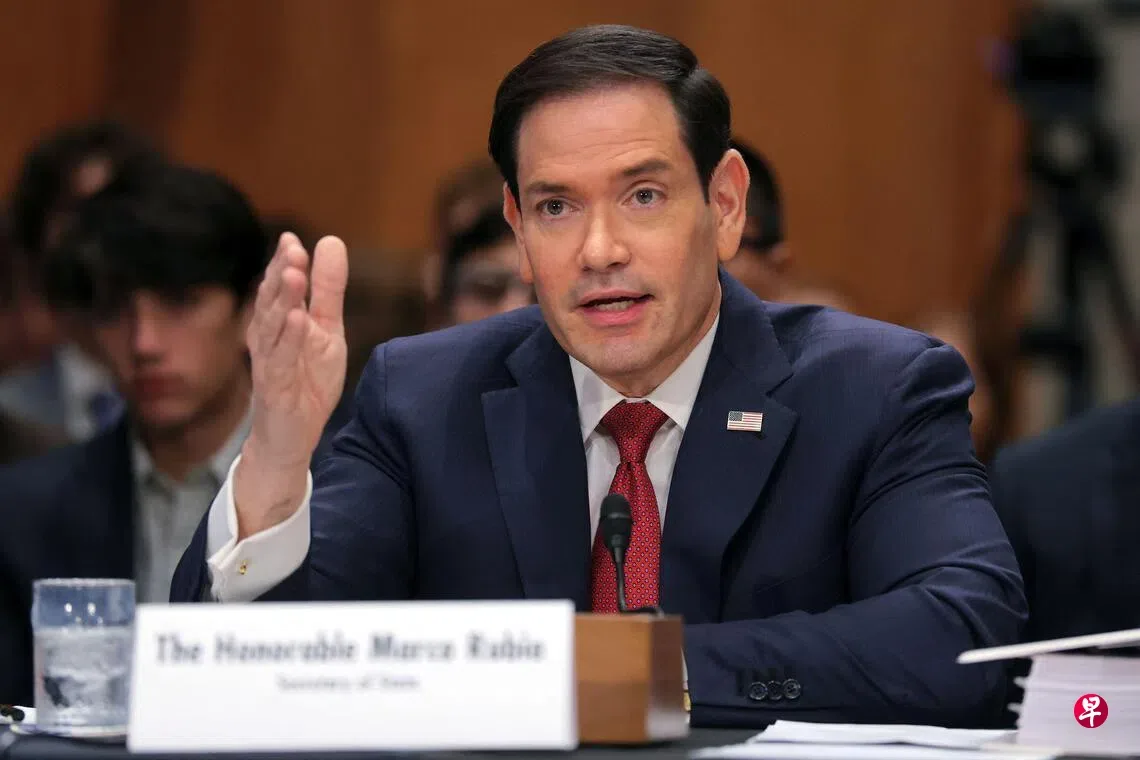
On June 2, US Secretary of State Marco Rubio told the Senate Foreign Relations Committee that Mojtaba is alive and "increasingly engaging at some level" in public affairs and negotiations with the United States [1]. Rubio demanded Tehran immediately reopen the Strait of Hormuz without tolls, remove naval mines, and stop firing on ships to ease tensions [1]. He pressed that Iran could secure sanctions relief only if it accepts strict, lasting limits or cancels its nuclear enrichment and gives up highly enriched uranium [1].
US President Donald Trump described Mojtaba as "younger, more rational" than his father but "seriously wounded," which he said showed "some kind of courage" in a June 5 interview [7, 8]. Trump declined to disclose Mojtaba's current whereabouts but hinted at knowing where he is [7]. He acknowledged slow peace talks with Iran, blaming Tehran's hardline stance and pride but expressing confidence Iran will eventually agree to terms [9]. Trump compared the conflict to the Vietnam War, noting it has lasted just three months compared to 19 years for Vietnam [9].
Trump said US forces have mostly destroyed Iran’s military capabilities but estimated the country still retains 21-22% of its missiles and drones [9].
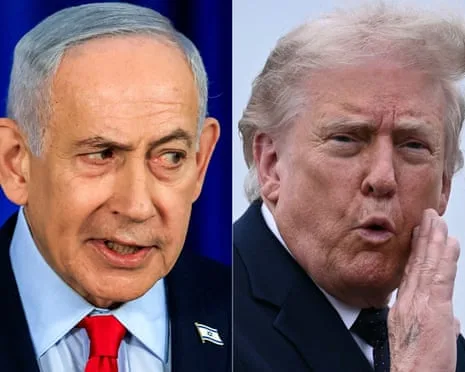
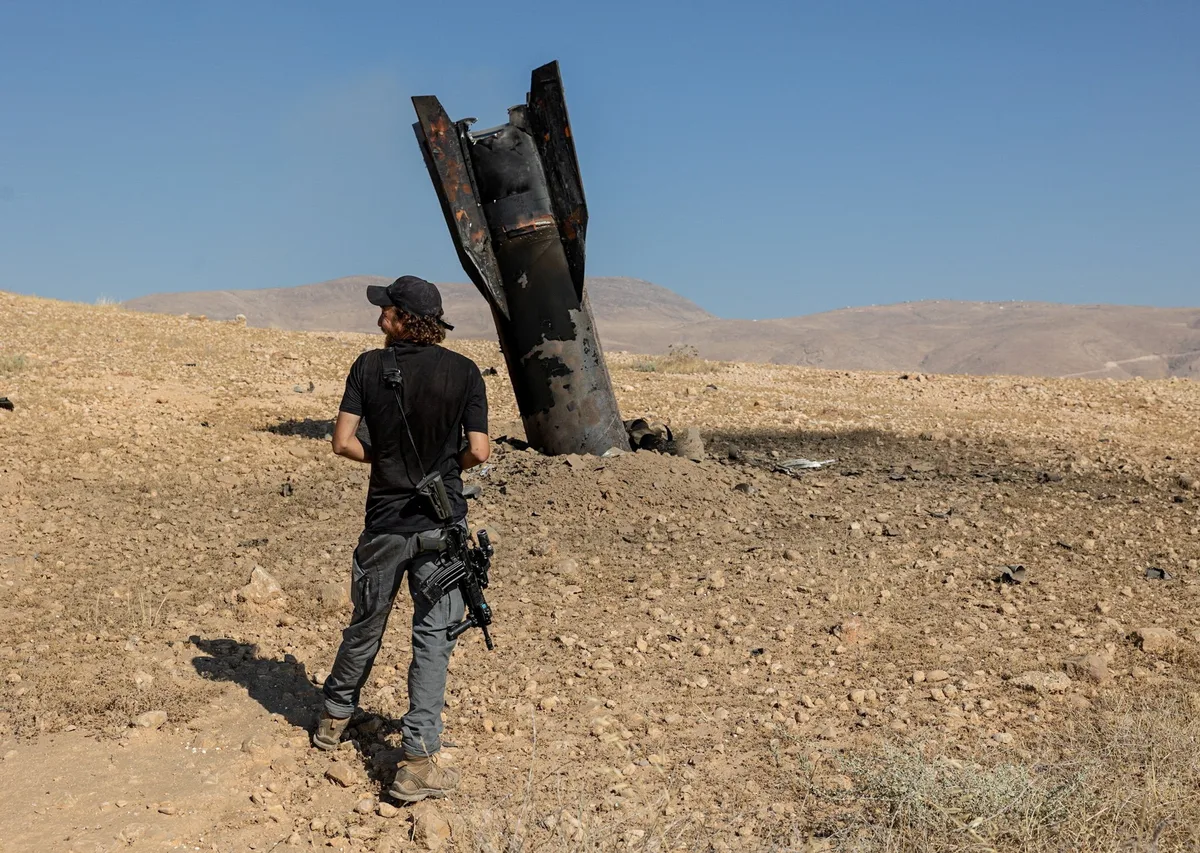
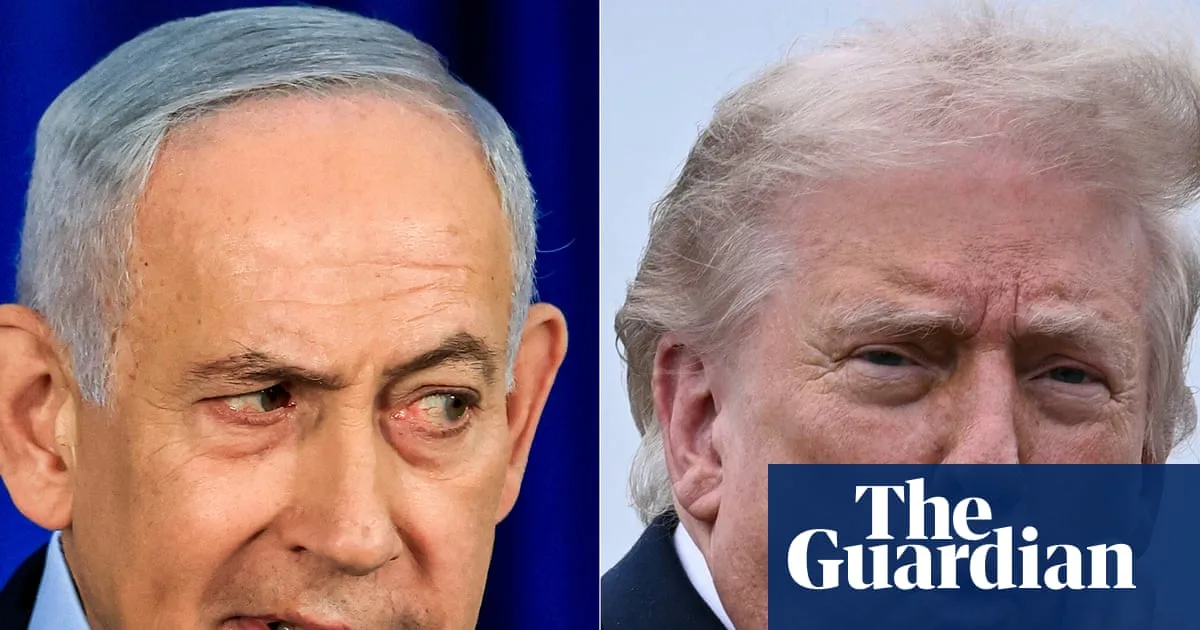
Missile exchanges between Iran and Israel escalated on June 7-8 after Israel struck Hezbollah targets in Lebanon and responded to Iranian missile attacks, though a ceasefire was reinstated following US mediation [10]. After Israeli casualties in Lebanon, Netanyahu ordered missile strikes on Hezbollah and Iran, which led to the flare-ups before the ceasefire [10]. Trump asserted he "calls all the shots" in US-Israel relations and urged Israeli Prime Minister Netanyahu against further retaliation [10].
According to US officials cited by the Wall Street Journal on June 3, Trump told aides he would consider ending the ceasefire and resuming full combat only if US troops are killed [11, 12]. Iran launched missile and drone strikes on US bases earlier in June, causing one American death [11, 12].
Rubio said a peace deal could be reached "today, tomorrow or next week" but expressed uncertainty over Congressional approval [1, 2]. Trump countered that negotiations remain slow and will take years for resolution [9]. The ceasefire remains in place while talks continue.
The conflict and negotiations are set to continue with close US monitoring of Iranian actions and efforts to maintain the ceasefire between both sides.