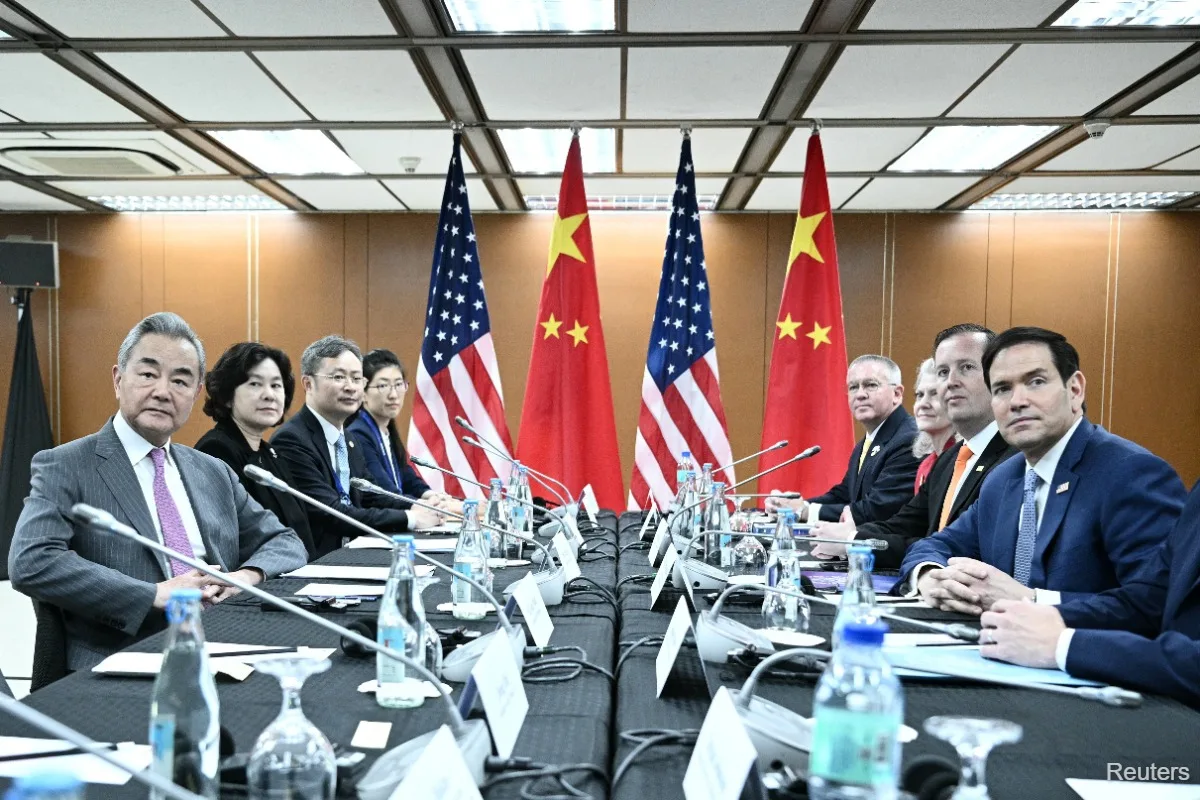
US Secretary of State Marco Rubio met Chinese Foreign Minister Wang Yi on July 22, 2026, in Manila on the sidelines of the ASEAN summit to discuss US-China relations and Chinese President Xi Jinping's expected visit to the US in September [1, 2, 3, 4, 5]. Rubio acknowledged serious differences, including disputes over the South China Sea and accusations of election interference, but said both sides agreed to manage these disagreements constructively. He said, "The US and China have great differences that are likely to persist for the foreseeable future, but we must manage them to ensure Xi has a very positive visit to the US" [1, 2, 3, 4, 5]. Wang described the talks as "pragmatic, positive and constructive" [2].
The meetings followed an altercation on July 20 between the Chinese coast guard and Philippine navy at Second Thomas Shoal in the South China Sea, which led both countries to summon each other's ambassadors [1, 4]. Rubio reaffirmed US support for the Philippines under their defence treaty as Philippine President Ferdinand Marcos Jr. hosted him in Manila on July 22, reaffirming strong US-Philippines ties amid regional tensions [4, 6]. The US also announced $2.5 billion in strategic investments to strengthen economic and regional cooperation with Southeast Asia [6].
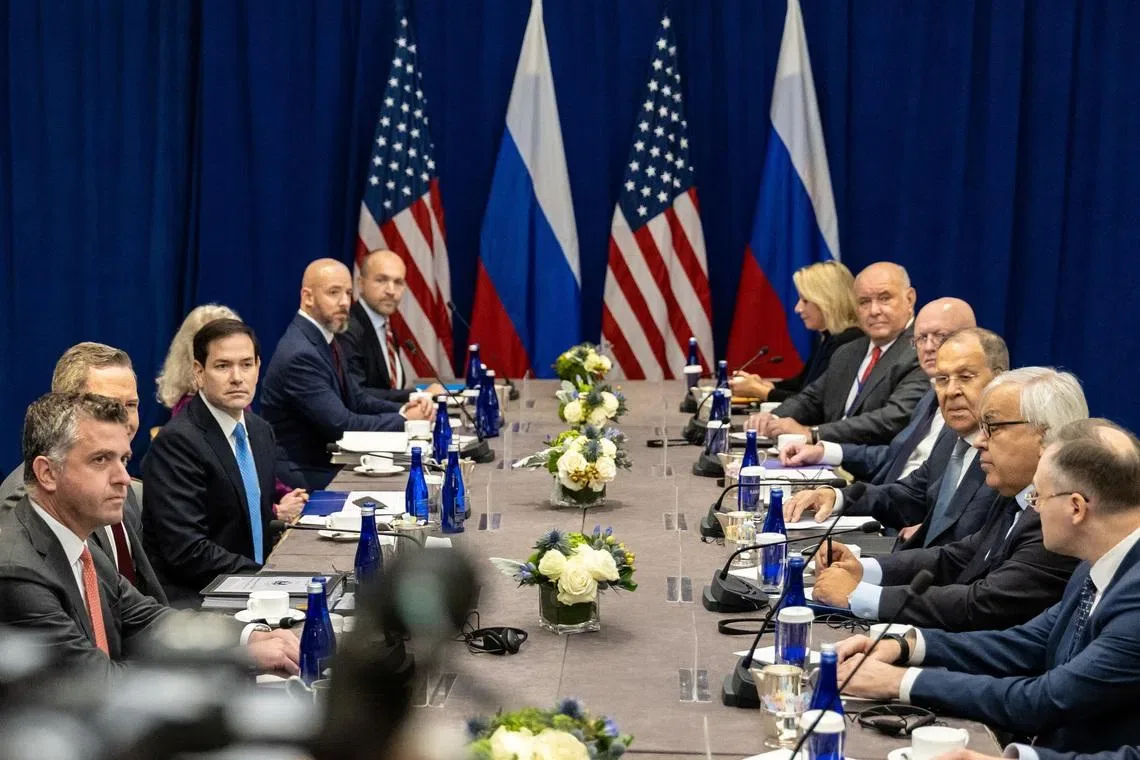
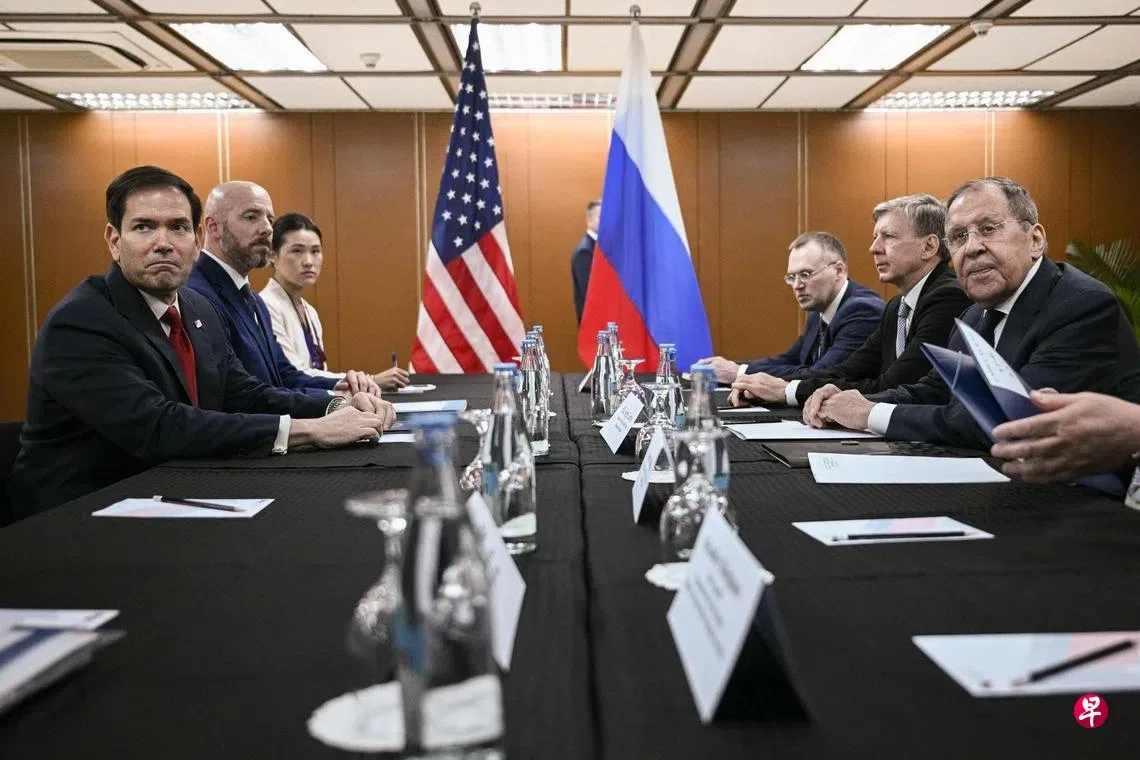
The next day, July 23, Rubio met Russian Foreign Minister Sergey Lavrov in Manila to discuss US-Russia relations and the ongoing war in Ukraine [7, 8, 9, 10, 11]. Lavrov condemned European countries and the US for supplying arms to Ukraine, calling it "unacceptable" and accusing them of seeking Russia's "strategic defeat" [7, 10, 11]. Rubio stated the US is "prepared to play a constructive role in bringing about an end to a senseless war" but acknowledged the challenge of finding a settlement acceptable to both sides [8, 9, 10, 11].
On the same day, Ukrainian President Volodymyr Zelensky said he held important talks with US envoys Steve Witkoff and Jared Kushner to reinvigorate diplomacy aimed at ending the conflict [7, 9, 10, 11]. Zelensky said, "It was a good, important conversation on how to reinvigorate diplomacy and bring peace closer" [7].
The ASEAN foreign ministers at the summit also expressed serious concerns about the war in the Middle East and tensions in the South China Sea [1, 4].
Rubio's meetings in Manila came amid heightened regional and global tensions. The next key event is Chinese President Xi Jinping’s expected visit to the US in September 2026, which both sides aim to ensure goes positively [1, 4].