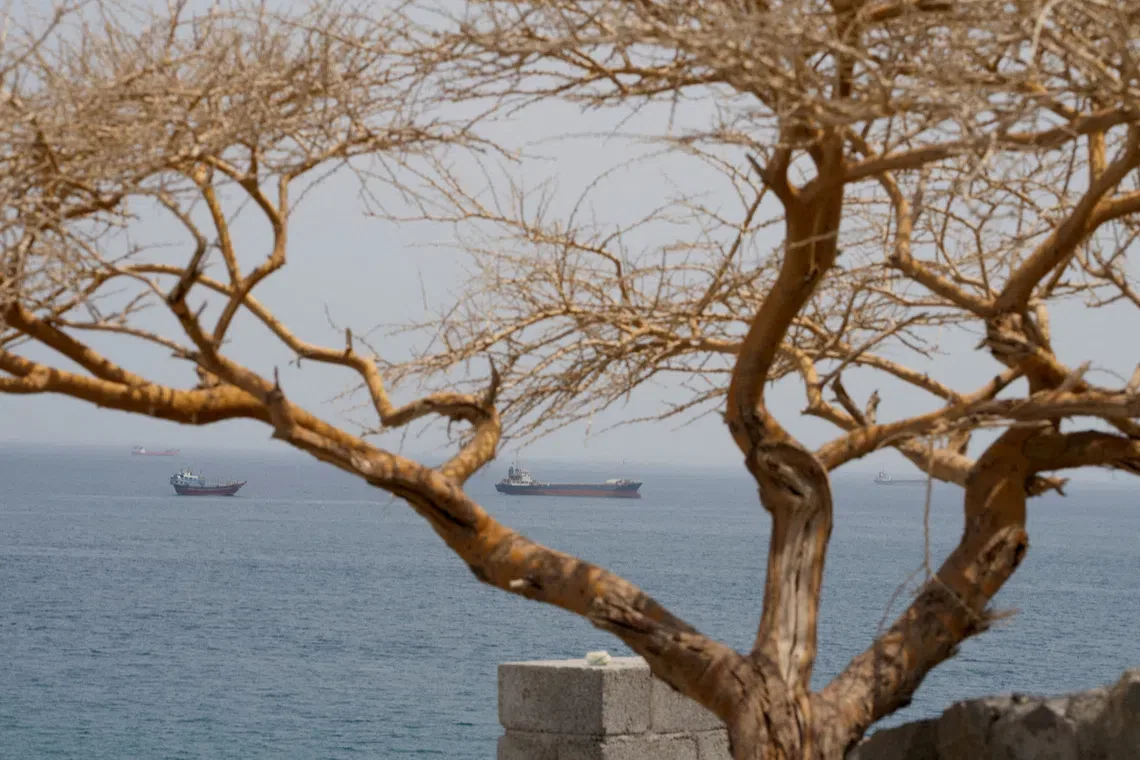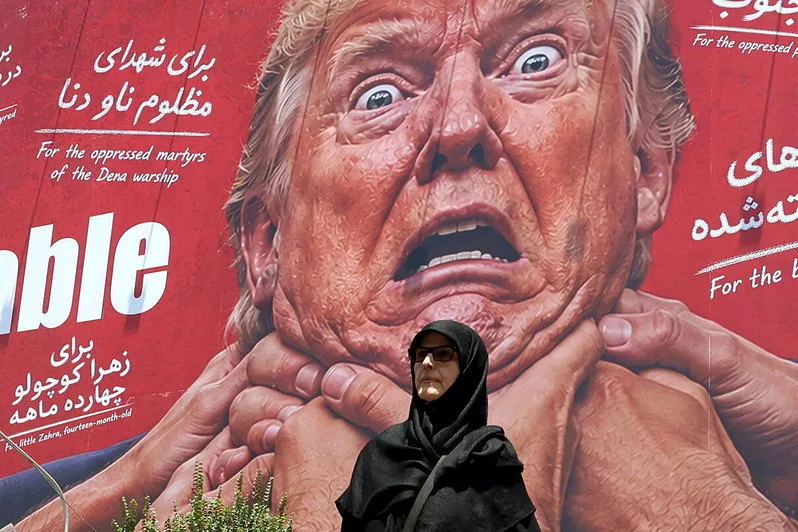
Iran declared it will shift from a defensive to a fully offensive military posture in the Strait of Hormuz following the collapse of peace talks with the United States [1, 2, 3, 4, 5]. The 60-day ceasefire, formalized in a memorandum of understanding signed on June 17, aimed to end military operations and address broader issues including Iran's nuclear program, but the agreement unraveled by its expiration on August 17 [1, 2, 6]. Iranian officials have demanded that the US implement all provisions of the June agreement by the deadline as a precondition for further talks, warning that "Iranian entities must be prepared to escalate tensions in the Strait of Hormuz and wider region" and that the US must fulfill the agreement "within the short period of a few weeks" [1].
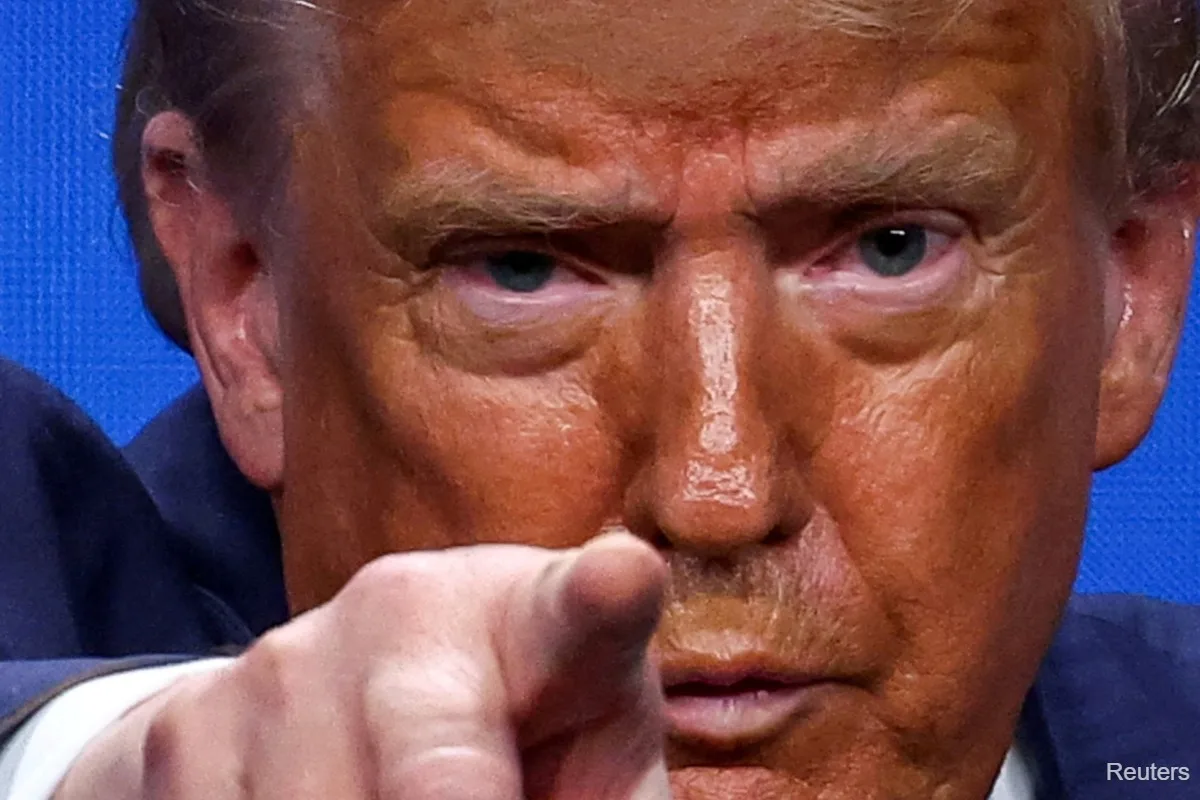
The parties remain in sharp disagreement over control of the Strait of Hormuz. Iran claims it has rights to manage the waterway under the agreement, but the US rejects this interpretation, leading to increased Iranian attacks on vessels transiting unapproved routes in recent weeks [1, 2, 3, 5]. President Donald Trump ruled out extending the ceasefire beyond the 60-day term and publicly stated, "Despite Iran's public hostility, our private communication channels with IRGC officials remain open. It's time for Iran to raise the white flag and surrender" [2, 7]. However, Iranian Revolutionary Guard and Foreign Ministry officials have denied any secret communications with the US, calling Trump’s claims "illusions and lies" [7].
Behind the scenes, the US established back-channel talks with Iran's Islamic Revolutionary Guard Corps (IRGC) commander Ahmad Vahidi through Iraqi Kurdish leader Nechirvan Barzani starting in May, aiming to keep lines of communication open during the stalled negotiations [2, 8, 9, 7]. The 60-day ceasefire period, which began with joint ceasefire declarations and peace talks in Pakistan on April 8, allowed Iran's hardliners to rearm and increase missile and drone production while coordinating with proxy forces across the region [3, 4, 5]. Analysts describe Tehran’s position as maintaining a "wartime posture" preparing for further conflict, with one Tehran defense analyst calling the current situation a "salami slicing" tactic used by the US and Israel to weaken Iran gradually [3].
The ceasefire ended without a permanent deal and has been followed by renewed US sanctions and blockade measures. Iran insists the US honor aspects such as unfreezing Iranian overseas assets, while the US demands that Iran reopen the Strait of Hormuz [6]. On August 17, Iran officially announced the shift to a full offensive military posture in the strategic waterway, marking a significant escalation in regional tensions as the deadlock continues [1, 2, 6].