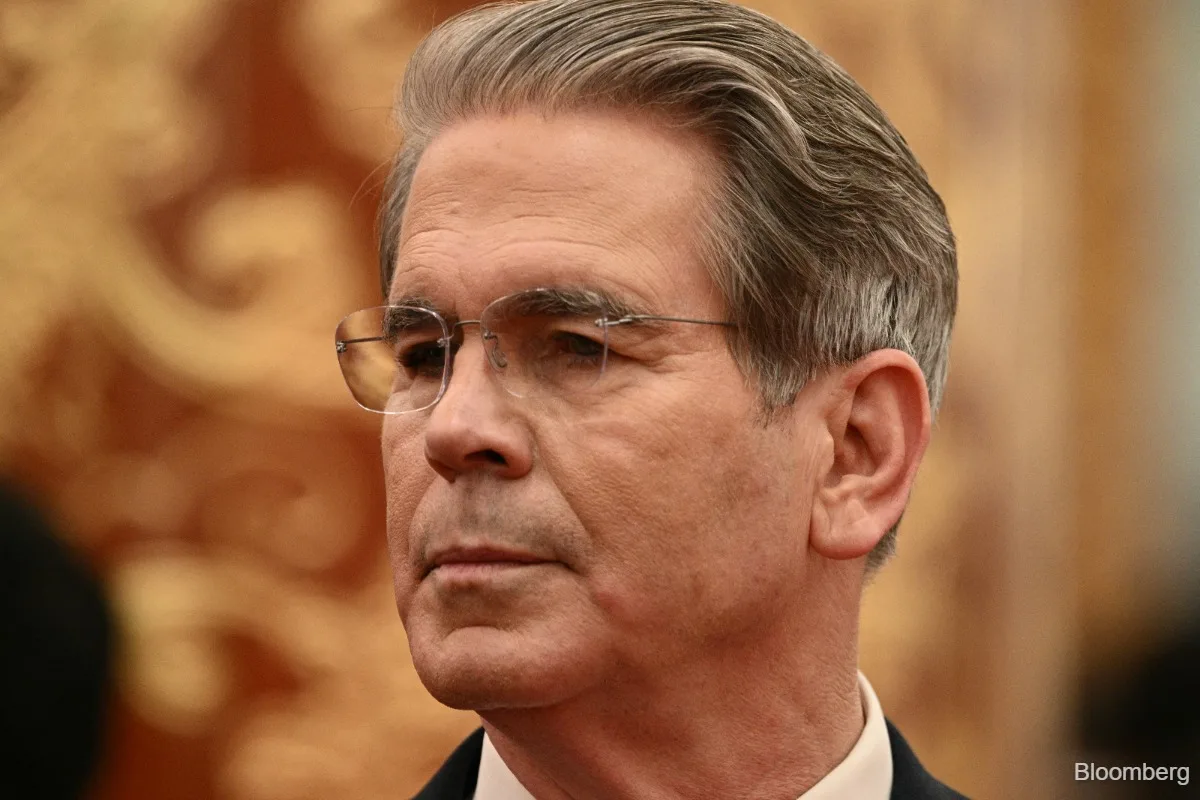
US Treasury Secretary Scott Bessent said on May 14 in Beijing that the US and China are discussing creating a "Board of Investment" to facilitate Chinese investment in non-sensitive US industries without referral to the Committee on Foreign Investment in the United States (CFIUS) [1, 2]. Bessent said, "We’re going to talk about a ‘Board of Investment’ that will be responsible for investment in non-sensitive areas" and added, "What we want to do is make sure that these investments don’t get referred to CFIUS" [1, 2]. He also noted, "There are plenty of things that the Chinese could invest in" [1].
The Board would fast-track or "pre-game" Chinese investment deals to reduce bureaucratic delays by avoiding investment reviews on non-sensitive sectors currently managed by CFIUS [1, 2]. In parallel, discussions are underway on removing tariffs covering about US$30 billion worth of trade in non-critical areas and on products the US is not aiming to reshore [1, 2].
Bessent declined to confirm reports that China plans to invest US$1 trillion or more in the US, describing those as unverified [1, 2]. Regarding recent media reports on Chinese firms seeking to buy Nvidia H200 chips, Bessent said, "This is news to me. I know there’s been a lot of back-and-forth on the H200s, and we’ll have to see on that." He added that the Commerce Department handles such matters [1, 2].
US President Donald Trump visited China on May 13-14 for meetings with Chinese President Xi Jinping. The two leaders discussed trade, arms sales to Taiwan, and energy issues during the summit [1]. US-Chinese officials have previously negotiated a "Board of Trade" to manage commercial relations, which remains unresolved [1, 2].
Trump arrived in China on May 13, and the investment talks were publicly detailed by Bessent the next day in Beijing [1, 2]. The negotiations aim to streamline investment flows and reduce tariffs in selected sectors, pending further official agreements.