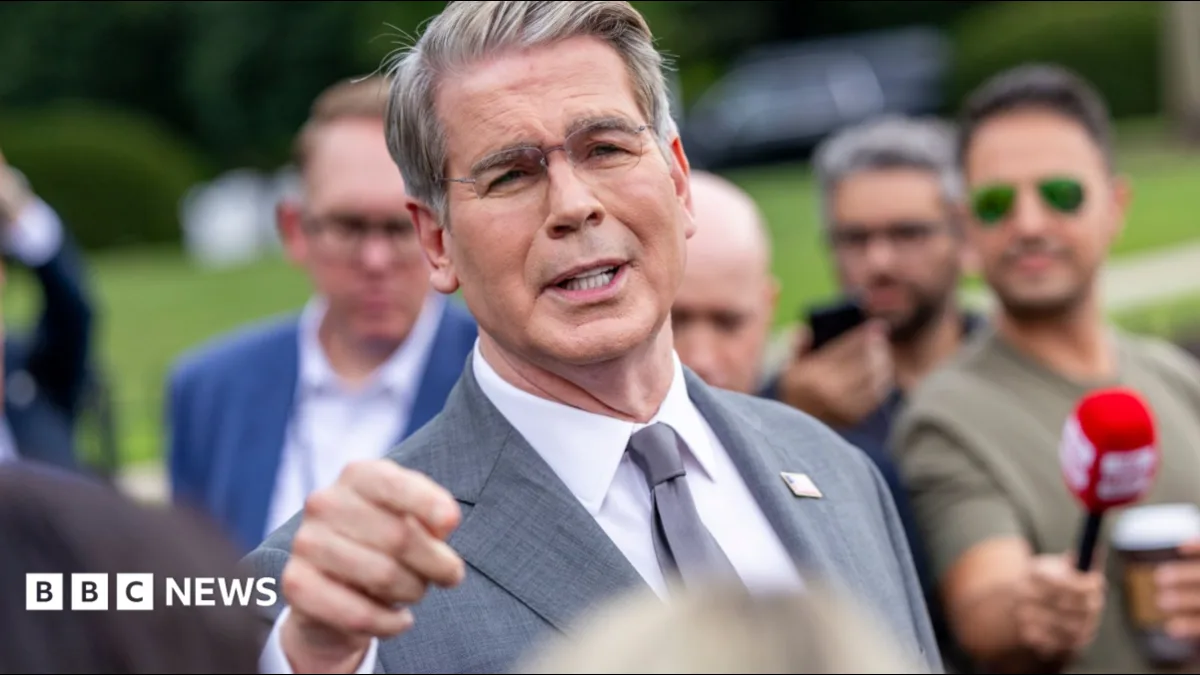
US Treasury Secretary Scott Bessent announced plans for what he described as "the greatest coordinated economic isolation in the history of the world," aimed at collapsing Iran's government, amid a nearly six-month conflict that began with US and Israeli attacks in February 2026 [1, 2]. He promised "the most crushing economic operation ever taken against any country" and warned countries maintaining economic ties with Iran would face consequences [1, 2].
Bessent made clear the US would fully enforce sanctions against any country trading with Iran, including buying Iranian oil or transferring money, saying, "If you insist on doing business with them... then the US Treasury and the US government will put [their] full might and force towards enforcing against you" [1]. He urged US allies and other countries, including China, to decide whether to "get with the programme" or face repercussions, noting China obtains 50% of its energy from the Gulf [1, 3, 2]. Bessent declined to specify if China would face sanctions, calling those talks "best conducted in private" [2].
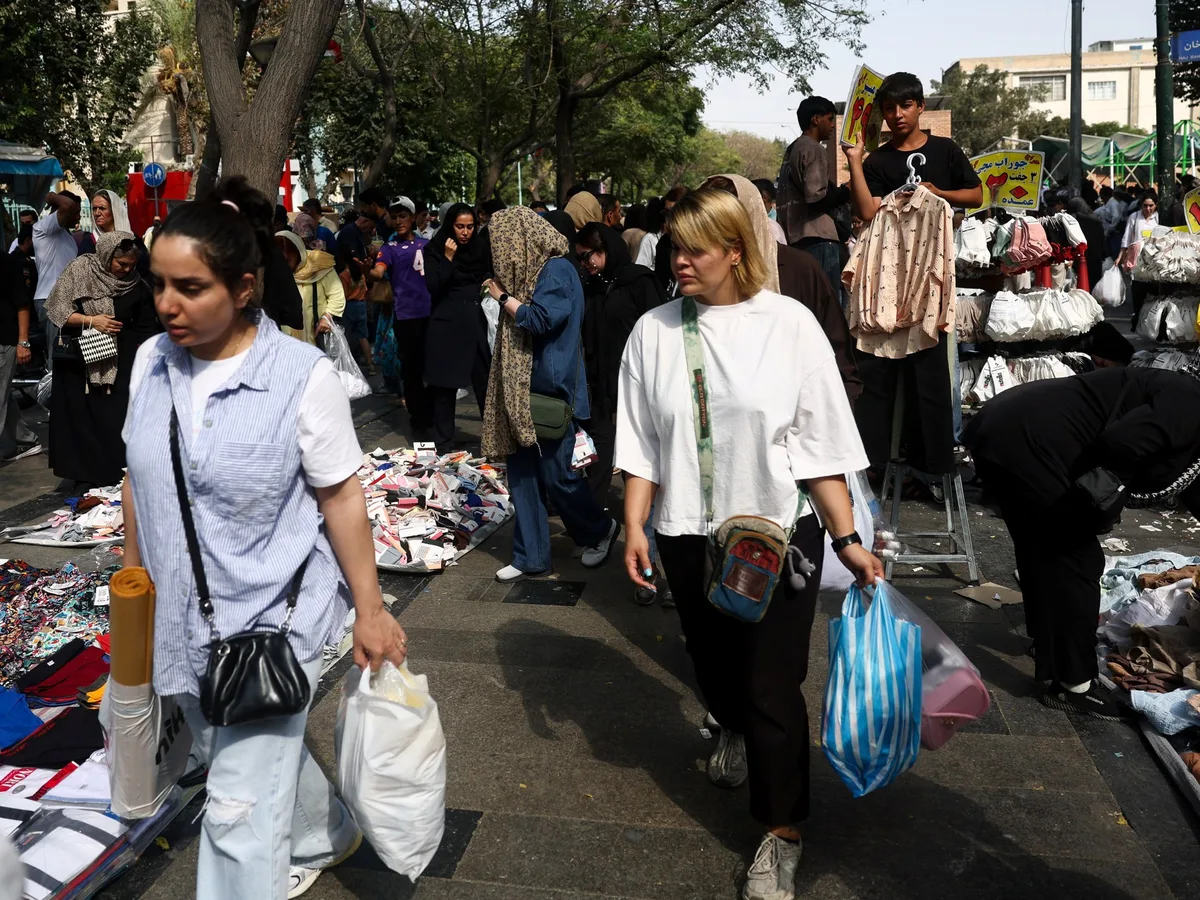
Linking economic sanctions with a US naval blockade on Iran, Bessent called it "a one-two punch" and said the pressure could reduce the need for a "large-scale kinetic restart" of the conflict [1, 4]. The Iranian economy is already under strain due to existing sanctions, inflation, and wartime disruptions, with prices for basic necessities rising 60% and food prices doubling in the year to February 2026 [1].
Iranian President Masoud Pezeshkian rejected claims of capitulation from a June 2026 memorandum of understanding with the US, stating, "It is better that we bring the war to an end now as we are in a position of power and dignity," and that "They cannot find even a single clause in this agreement that indicates capitulation" [5].
Bessent announced a press conference scheduled for August 24, 2026, to reveal more details about the sanctions [1]. The conflict between the US and Iran, initiated by attacks in February 2026, has lasted nearly six months as diplomatic and economic pressures escalate [2].