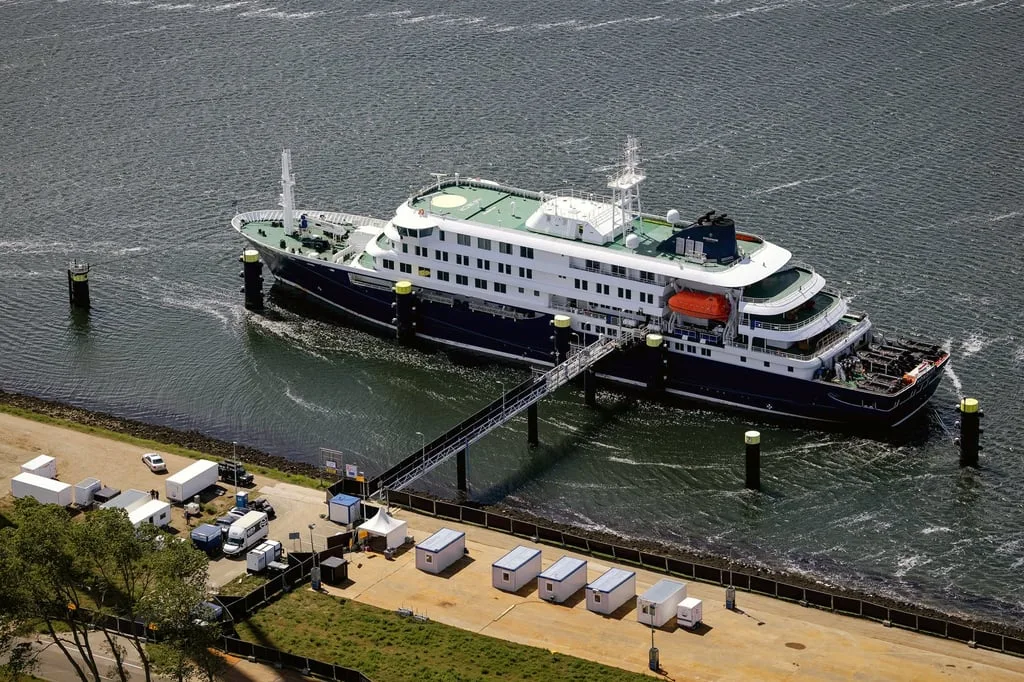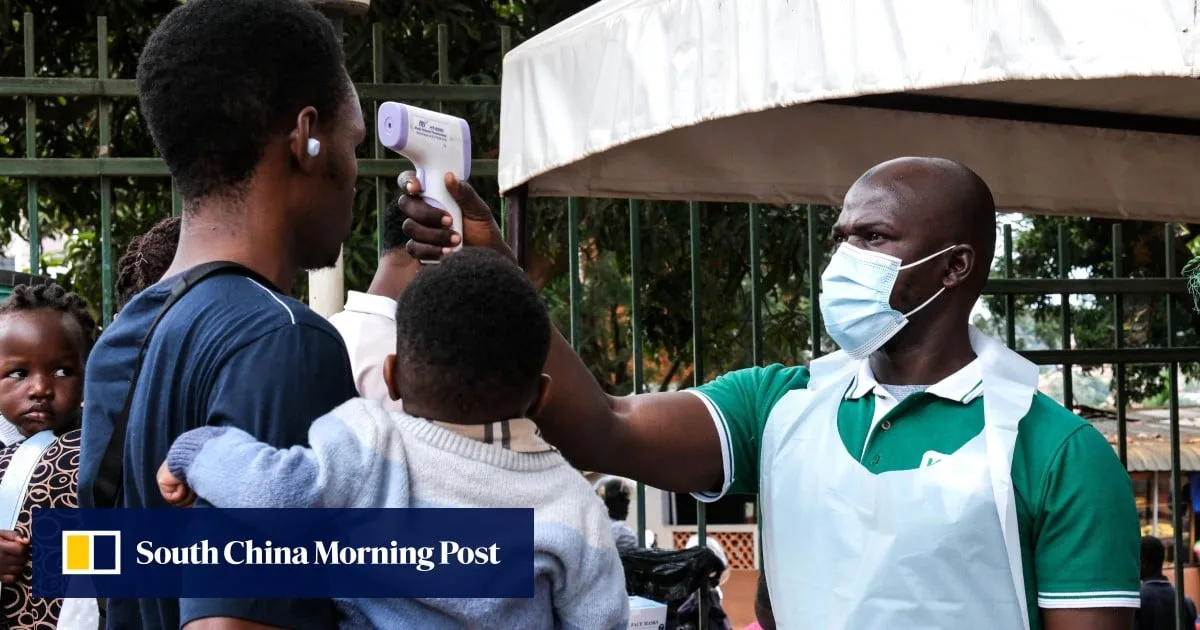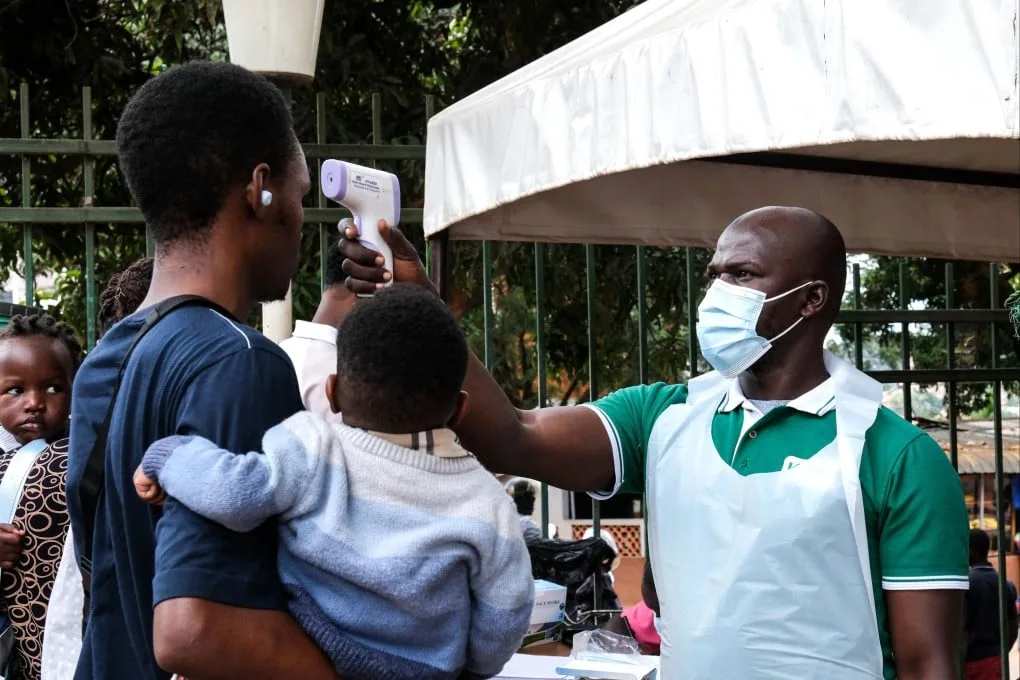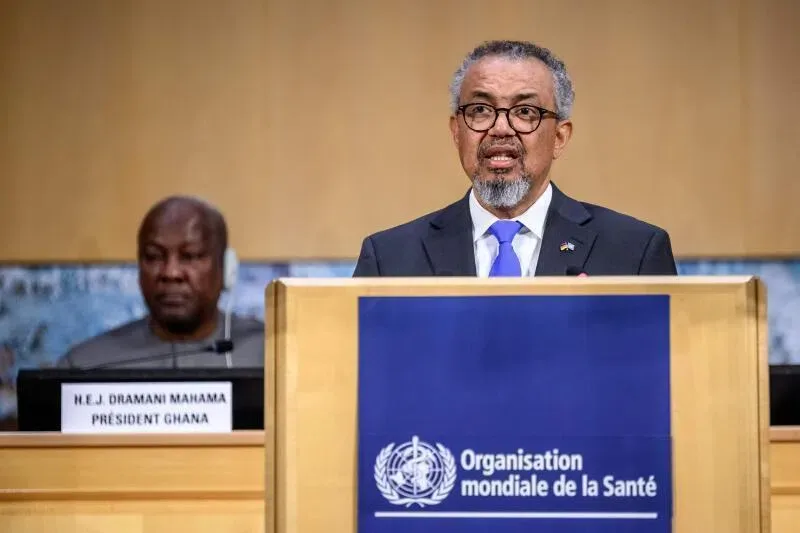
The World Health Organization (WHO) opened its annual assembly in Geneva on May 18, 2026, with the Ebola outbreak in the Democratic Republic of Congo declared an international health emergency [1, 2, 3]. A rare hantavirus outbreak occurred aboard the MV Hondius cruise ship, which anchored off the Canary Islands last week to evacuate passengers [1, 2, 3].
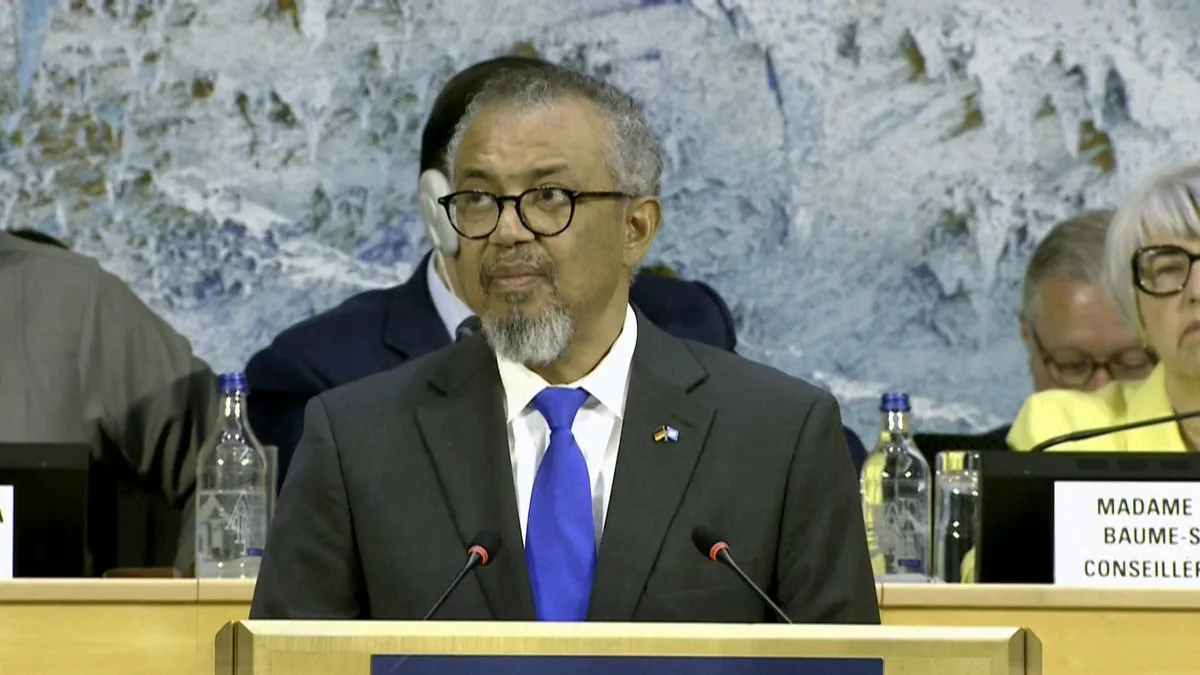
WHO Director-General Tedros Adhanom Ghebreyesus said these outbreaks reflected "dangerous and divisive times" marked by conflicts, economic crises, climate change, and aid cuts. He stated, "The two are just the latest crises in our troubled world. From conflicts to economic crises to climate change and aid cuts, we live in difficult, dangerous and divisive times" [1].
The WHO’s budget has been cut by approximately 21 percent, nearly US$1 billion, leading to hundreds of job losses and reduced programs [1, 2, 3]. These steep cuts followed the United States' cessation of funding to the WHO in January 2025 under the Trump administration, a move widely seen as disrupting global health efforts [4].
United Nations Secretary-General Antonio Guterres added that recent reductions in bilateral and multilateral aid "have disrupted health systems and widened inequalities," emphasizing the broader consequences of funding losses [3].
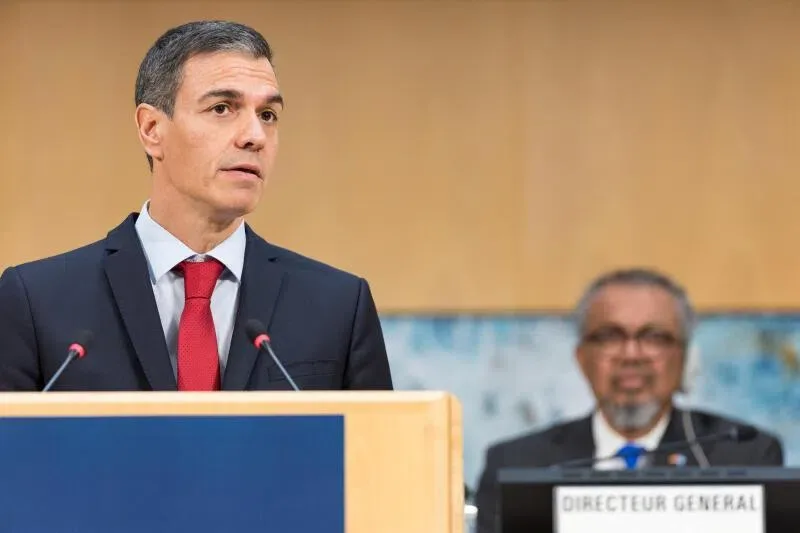
Spanish Prime Minister Pedro Sanchez praised Spain’s role in allowing the MV Hondius evacuation and stressed international cooperation. He said, "Protecting others is the best way to protect ourselves. No country can save itself on its own" [1, 2].
The 2026 WHO assembly also covered sensitive political topics, including Taiwan's observer status, and issues related to Ukraine, the Palestinian territories, and Iran [1, 2].
Further discussions and decisions on funding and response plans are expected as the assembly continues beyond May 18.