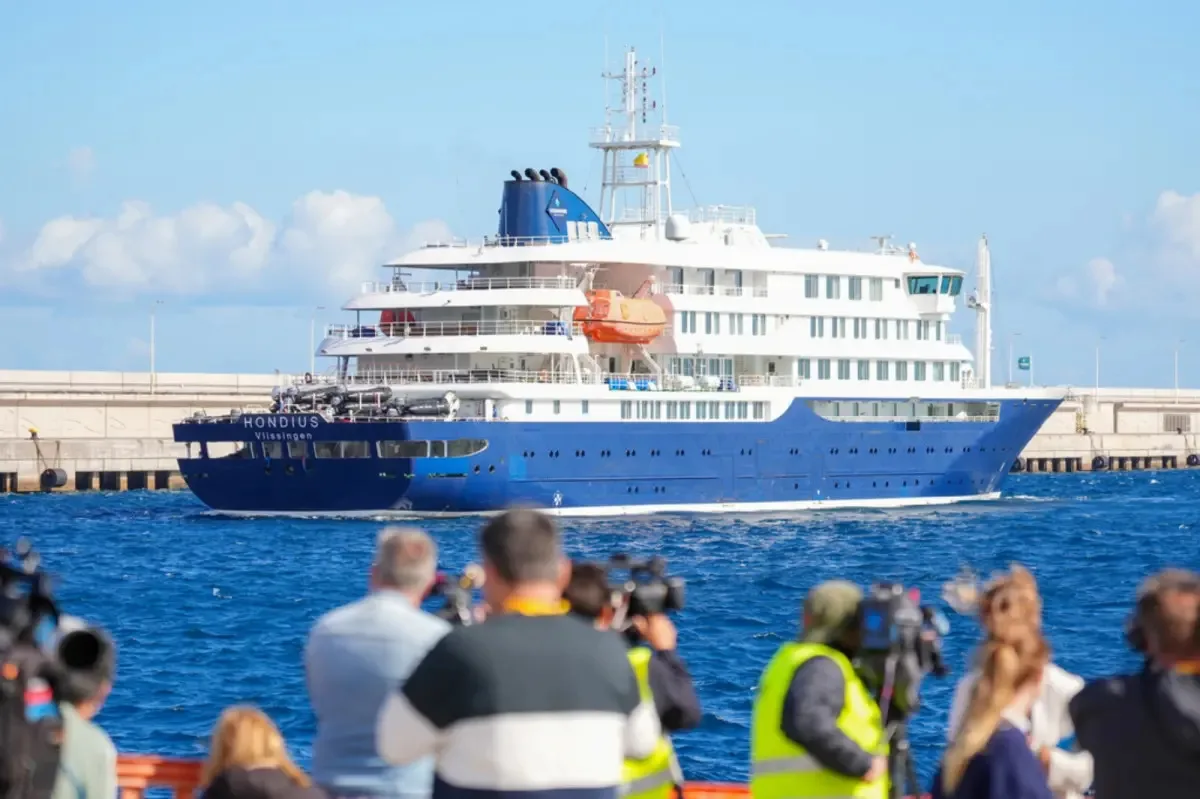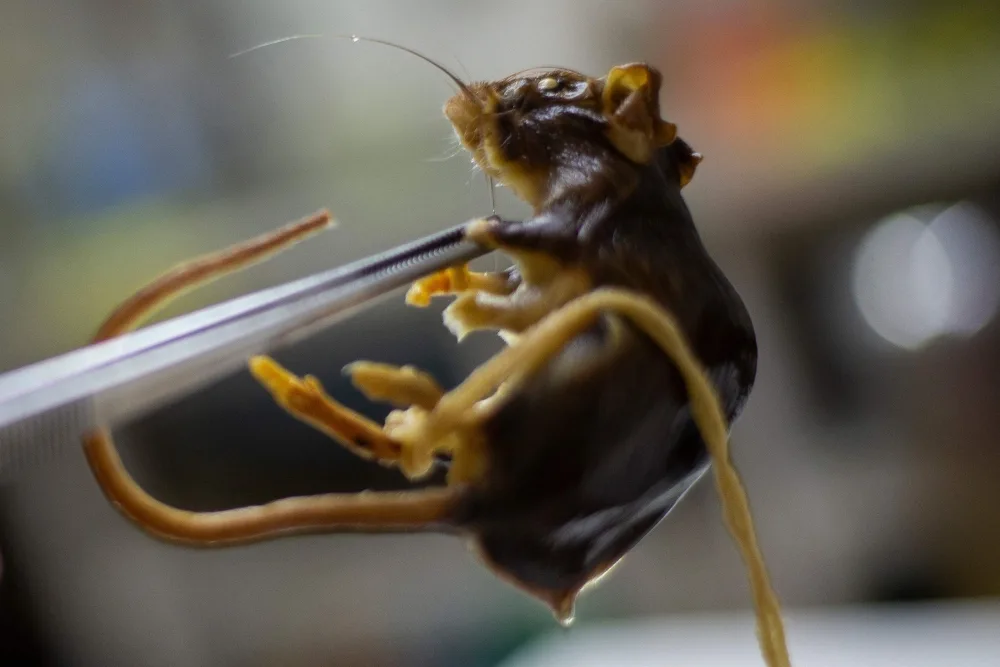
WHO said the hantavirus outbreak aboard the MV Hondius cruise ship involved Andes virus, the only hantavirus known to spread between humans, and left 3 people dead. [1, 2, 3]
The agency said it had recorded 8 laboratory-confirmed Andes virus cases, 2 probable cases and 1 inconclusive case, with the inconclusive patient an American passenger who was repatriated to the United States and stayed asymptomatic while further tests continued. WHO said the public-health risk was moderate for people who were on the ship and low for the rest of the world. [1, 2]
The ship left Argentina on April 1 for a transatlantic cruise. The first victim developed symptoms on April 6, which WHO said suggested the first infection likely happened before the cruise began because the virus incubates for 1 to 6 weeks. [1, 2]
WHO said, in a quoted assessment, that “eight cases were laboratory-confirmed for Andes virus (ANDV) infection, two are probable, and one case remains inconclusive and is undergoing further testing.” The agency also said the risk was “moderate” for shipboard contacts and “low” for the rest of the world. [1]
Some reporting said more than 120 passengers and crew were evacuated for quarantine and monitoring. Another report said 17 American citizens and 1 UK resident disembarked in Tenerife on Sunday, May 10, 2026, after the ship reached the island. [2, 3]
WHO’s timeline of the outbreak also said it had reported 9 hantavirus-related notifications linked to the ship in a Chinese-language update on May 11. The latest WHO update on May 14 listed 8 confirmed cases, 2 probable cases, 1 inconclusive case and 3 deaths. [1, 2, 3]