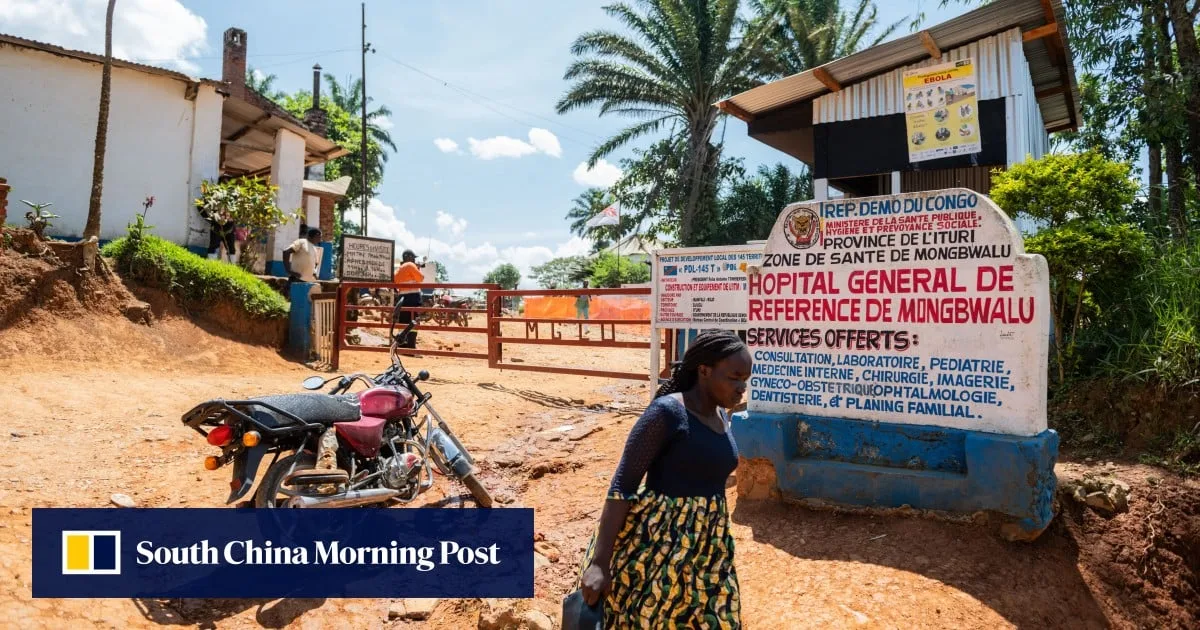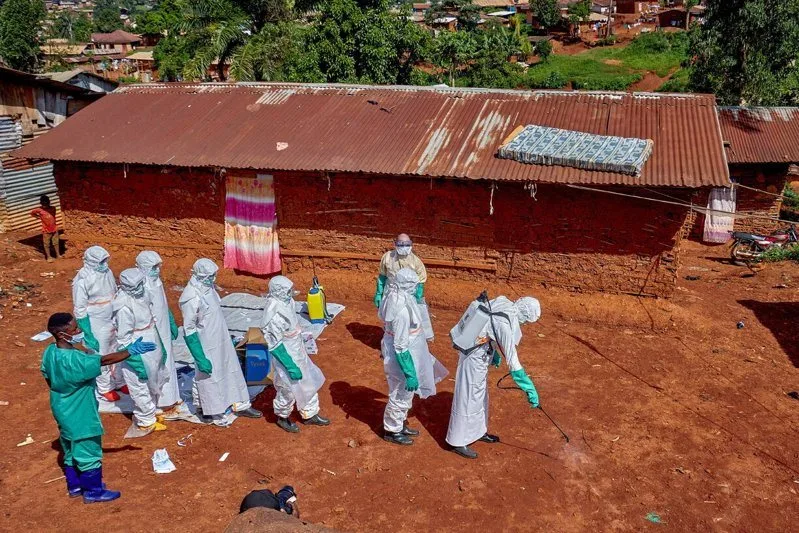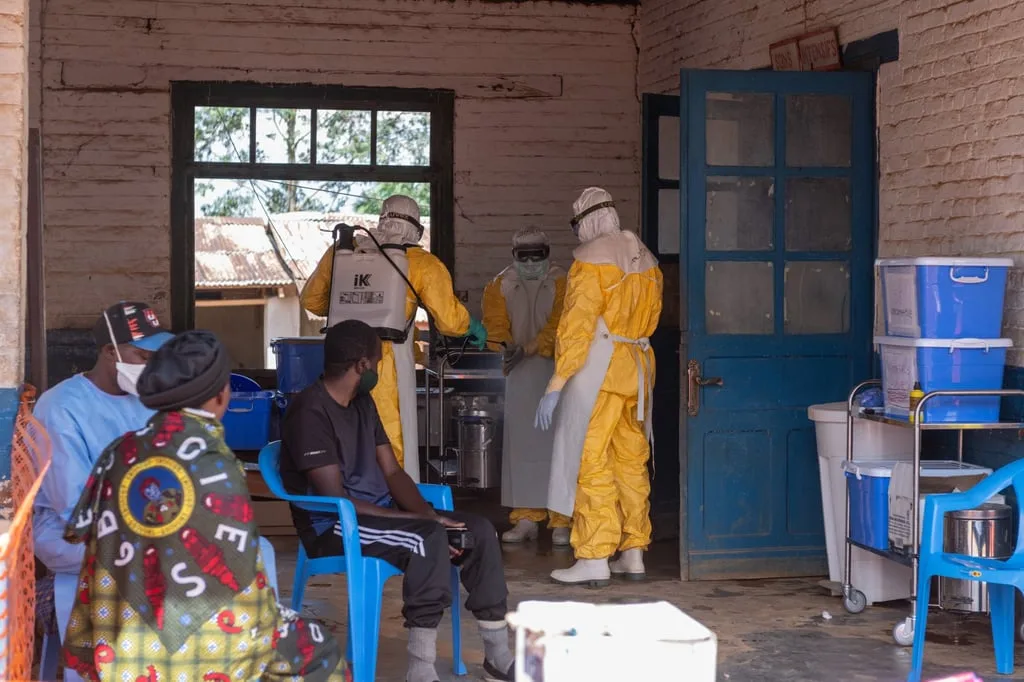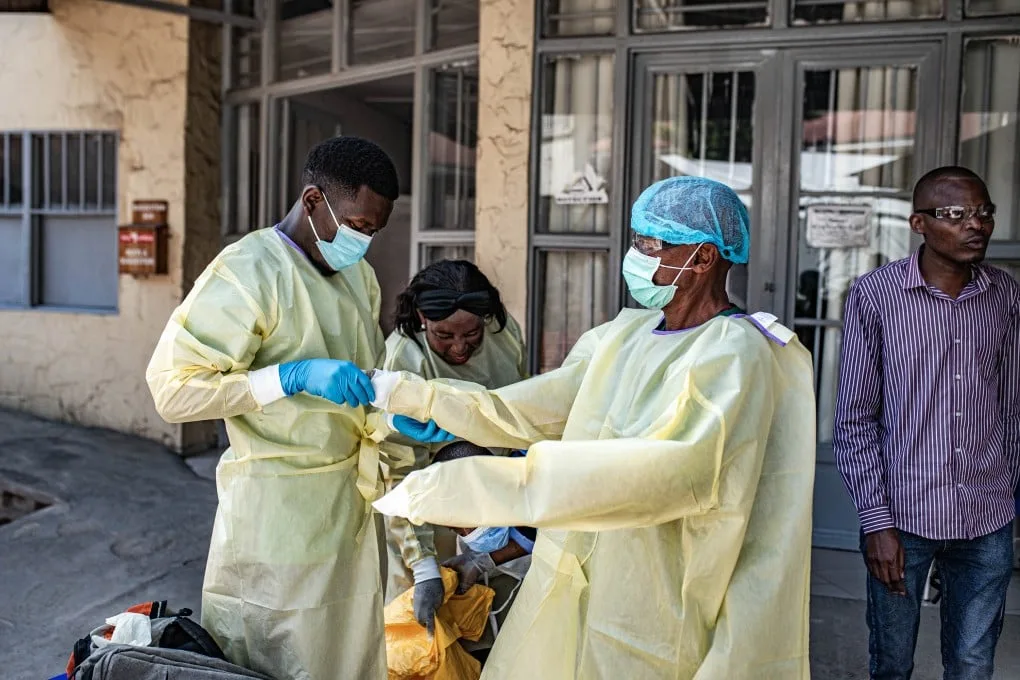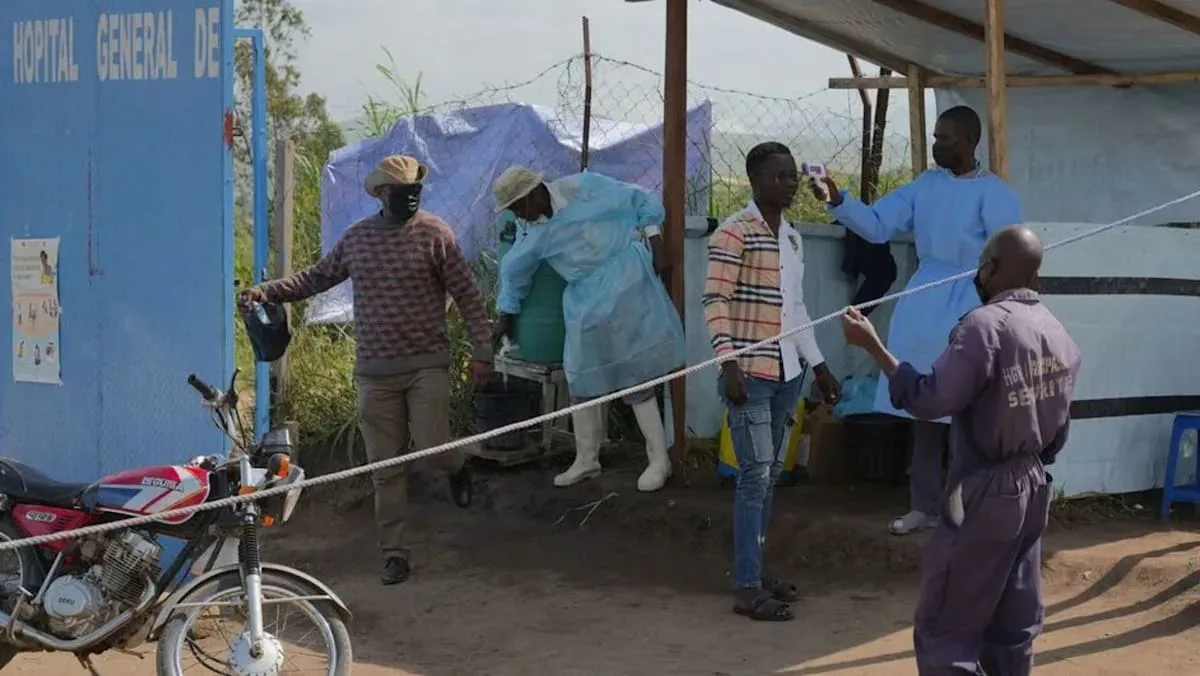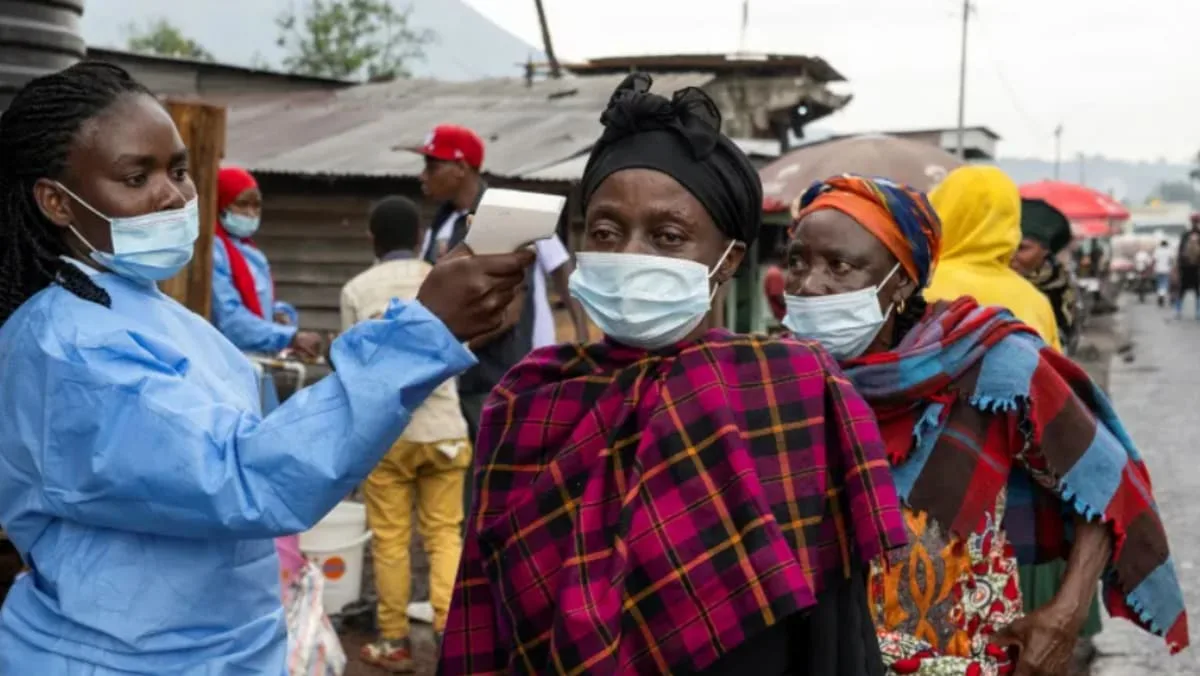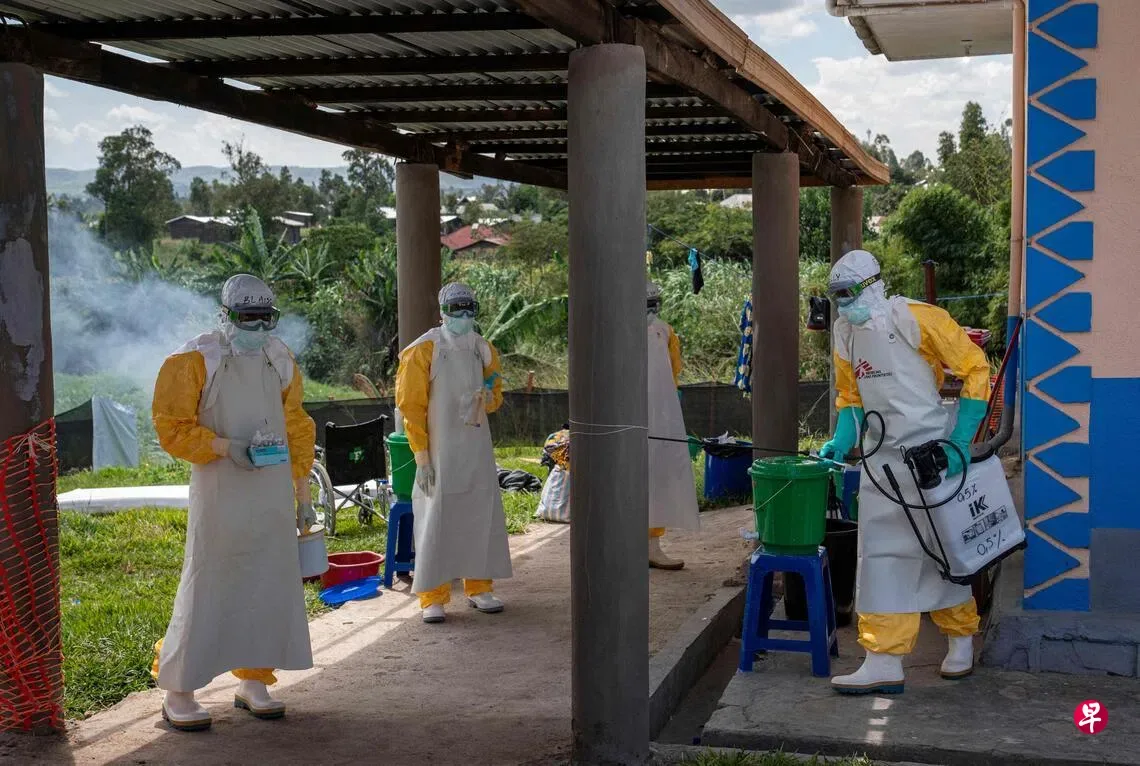
The Ebola outbreak in Central Africa now totals about 515 confirmed cases and 91 deaths, according to the latest data from June 7. The Democratic Republic of Congo (DRC) reported 515 cases including 91 deaths, while neighboring Uganda recorded 19 cases and 2 deaths, bringing the regional total to 534 cases and 93 deaths [1, 2].
The outbreak began around May 15 in northeastern DRC and is caused by the Bundibugyo Ebola virus strain, which spreads through close contact and bodily fluids. There is currently no approved vaccine or specific treatment for this strain [1, 3, 2].
The World Health Organization (WHO) and the Africa Centres for Disease Control and Prevention (Africa CDC) announced a six-month plan running from June to November with $518 million in funding to boost outbreak response. The plan focuses on coordination, surveillance, laboratory testing, infection prevention, clinical care, and community engagement [4, 5, 3]. WHO Director-General Tedros Adhanom Ghebreyesus said, "The outbreak is moving fast, and we are still playing catch-up. We need to stop the outbreak where it is, support countries that are responding today, and ensure that neighbouring countries are ready to detect and act quickly if cases appear" [4, 5, 3].
The US government pledged an additional $38 million in funding on June 5, bringing US direct financial support to over $200 million. The US Centers for Disease Control and Prevention (CDC) cautioned that without stronger public health measures, this outbreak could reach the scale of the 2014-2016 West Africa epidemic, which caused more than 28,000 cases and 11,000 deaths. Jason Asher, director of CDC's Center for Forecasting and Outbreak Analytics, said, "That scale is possible" [4, 6, 7, 8, 9, 3, 10, 11].
Around 5,000 close contacts of Ebola patients are currently under monitoring. Eleven countries in the region have been identified as high-risk for virus spread [5]. On June 7, the European Union delivered 100 tonnes of humanitarian aid by air to the Ituri province in eastern DRC to support those affected amid ongoing conflict, with more flights planned [1, 2].
The Bundibugyo virus behind the outbreak spreads through close contact and bodily fluids, making containment dependent on swift detection and isolation. WHO continues to stress urgent coordinated action and preparedness across the region [3, 2]. The outbreak remains active with rising case numbers, and response efforts will continue through at least November as outlined in the current funding plan.