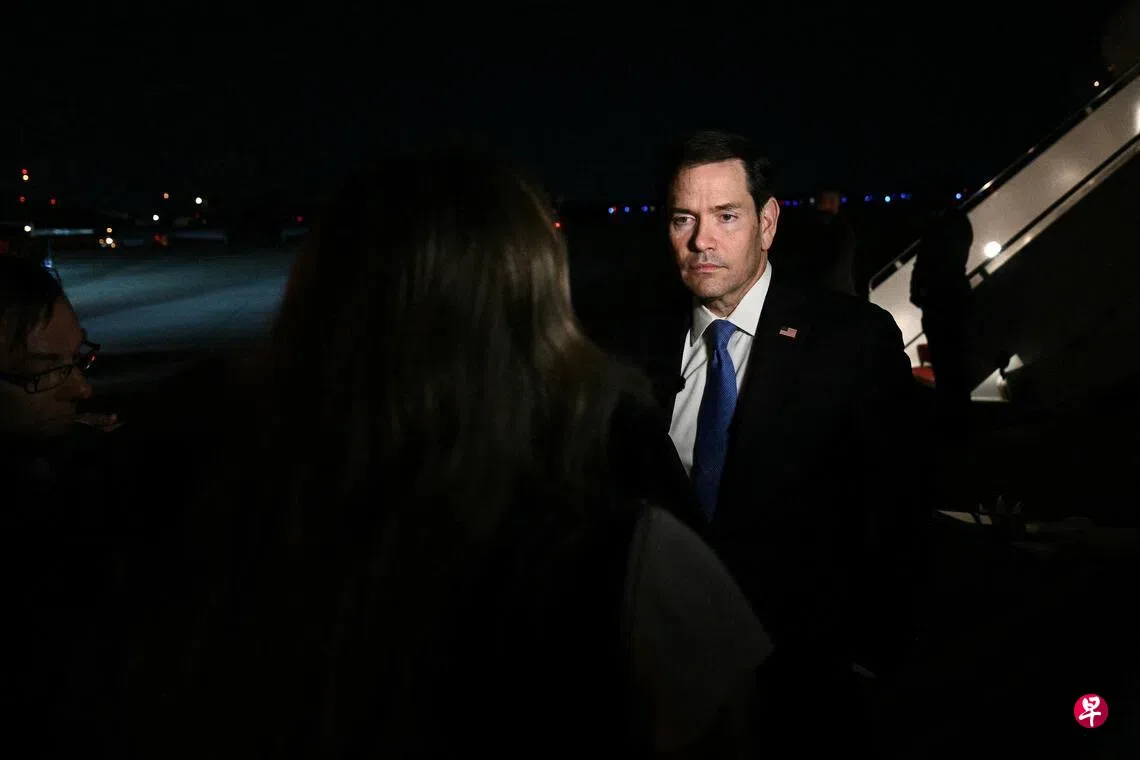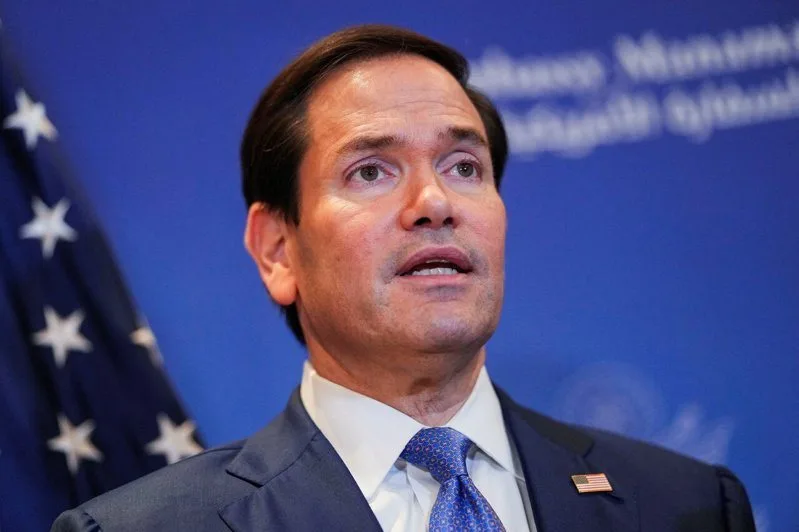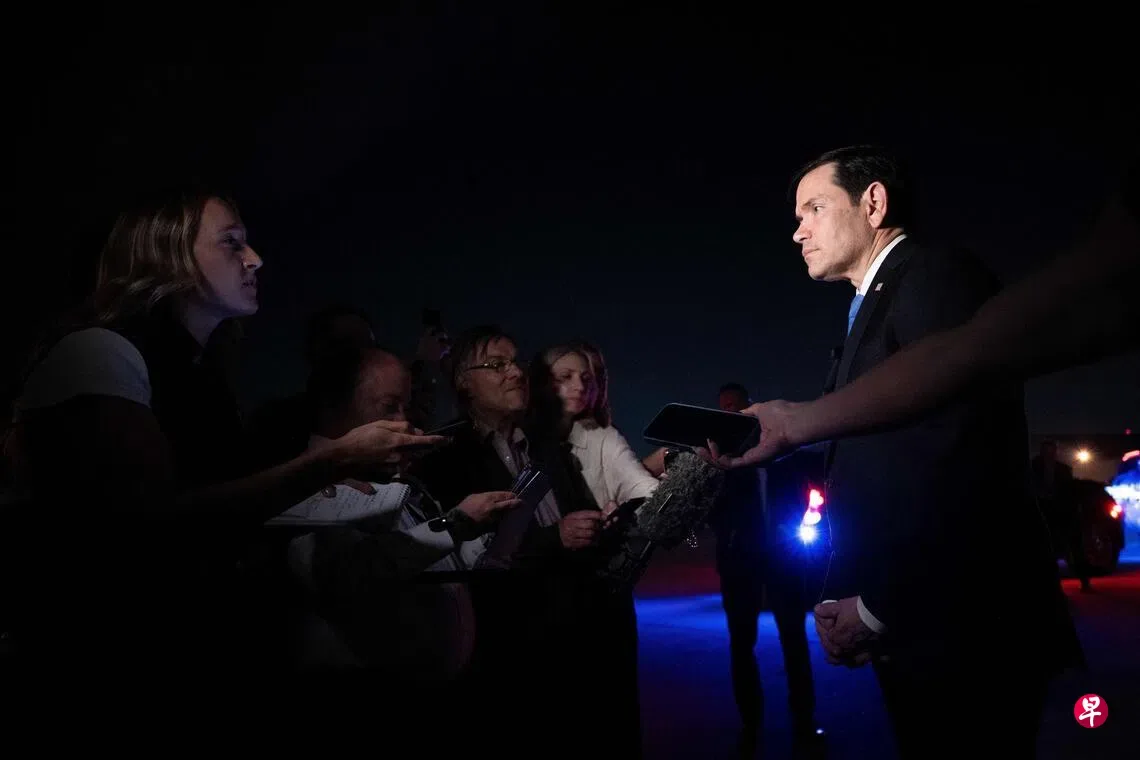
Chinese President Xi Jinping's visit to the United States scheduled for September 24, 2026, is moving forward as planned despite new political tension between the two countries [1, 2, 3]. US Secretary of State Marco Rubio confirmed the continued preparations, saying, "We anticipate that the trip is happening in September. They are continuing to send teams to participate in preparations. I haven't heard anything else" [2].
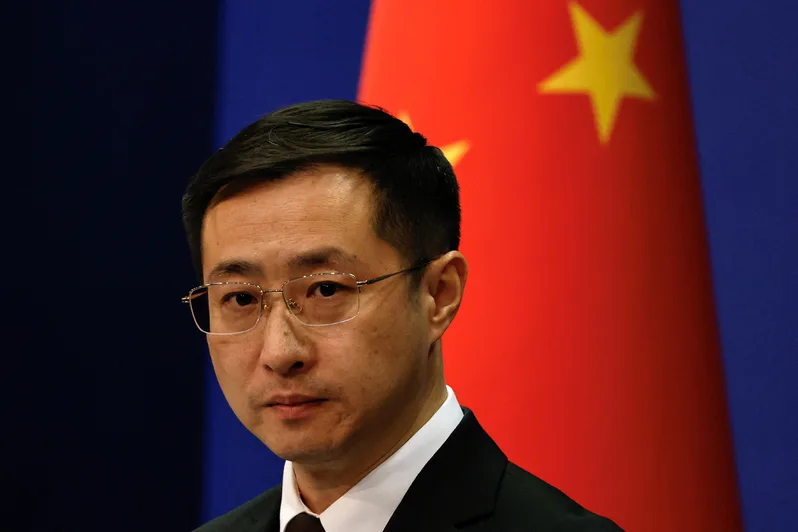
China’s Foreign Ministry spokesperson Lin Jian stressed the importance of high-level diplomatic communication, stating, "Leader-level diplomacy has an irreplaceable strategic guiding role for China-US relations. Both sides have maintained communication regarding the arrangements for leader interactions this year" [1].
The visit comes after US former President Donald Trump accused China on July 16 of interfering in the 2020 US presidential election by illegally obtaining approximately 220 million US voter records. These allegations were denied by US intelligence agencies but have fueled new strains in bilateral relations [2, 4, 5, 6, 7, 8, 9]. Trump made the accusations months before Xi’s planned visit, raising questions about the diplomatic atmosphere ahead of the trip [2, 4].
Rubio emphasized the need for continued dialogue despite friction. He said, "When two powerful countries like the US and China interact, friction is inevitable. But important powers have a responsibility to continue dialogue and maintain bilateral relations" [4]. He also noted possible meetings with Chinese Foreign Minister Wang Yi and Russian Foreign Minister Sergey Lavrov at the ASEAN Foreign Ministers’ Meeting in Manila, but said, "We have not yet finalized whether to meet Wang Yi or Sergey Lavrov, but we are open to meetings. Those are sensitive issues" [4].
Chinese Vice Foreign Minister Ma Zhaoxu is expected to visit Washington and Miami to support preparations for Xi’s visit [3]. Meanwhile, Foreign Minister Wang Yi attended ASEAN meetings from July 22-24 in Manila and is scheduled to attend the Shanghai Cooperation Organisation meeting in Kyrgyzstan from July 23-25 [3].
Xi’s visit aims to stabilize bilateral ties and uphold the 2025 trade agreement between the two countries [2, 5, 6, 7]. The visit was arranged following an invitation extended by Trump during his May 2026 trip to Beijing and accepted by Xi [2, 3].
The next key event in US-China diplomatic exchanges is the ASEAN Foreign Ministers' Meeting, where engagement between US and Chinese officials might occur, potentially helping ease tensions ahead of Xi’s visit [4, 10, 11, 3].