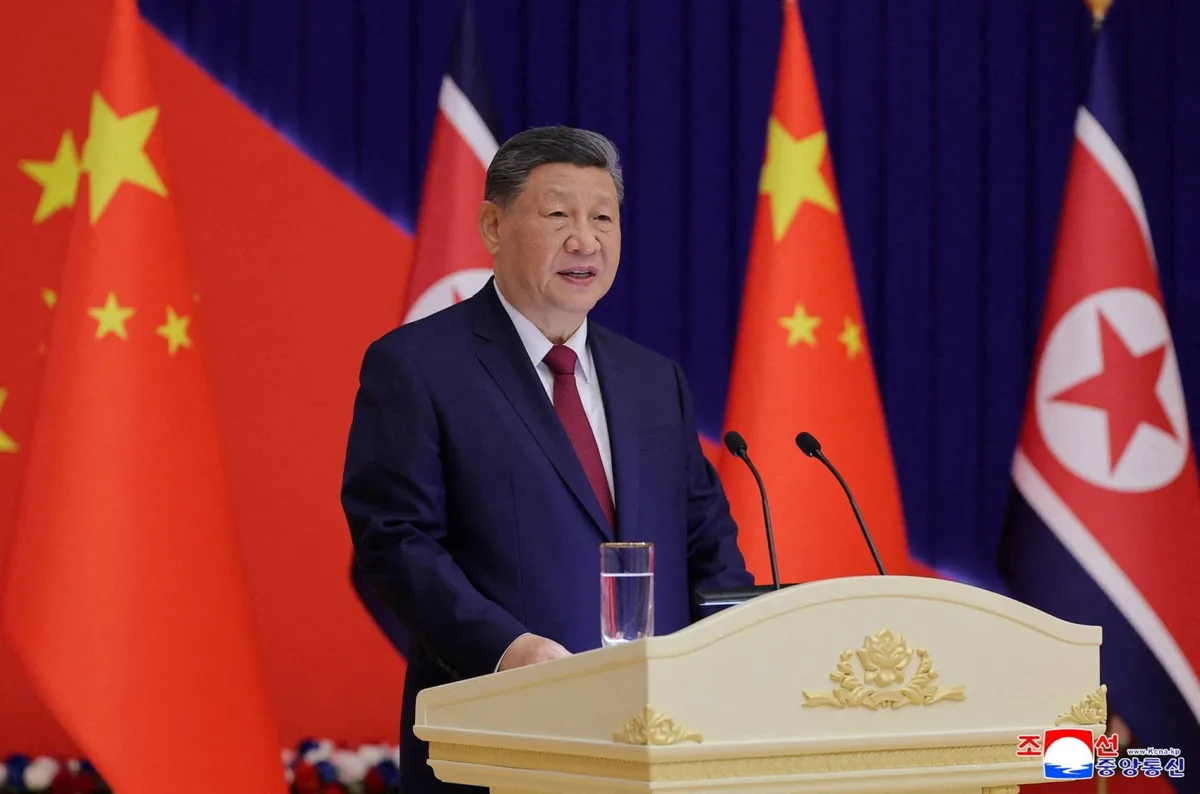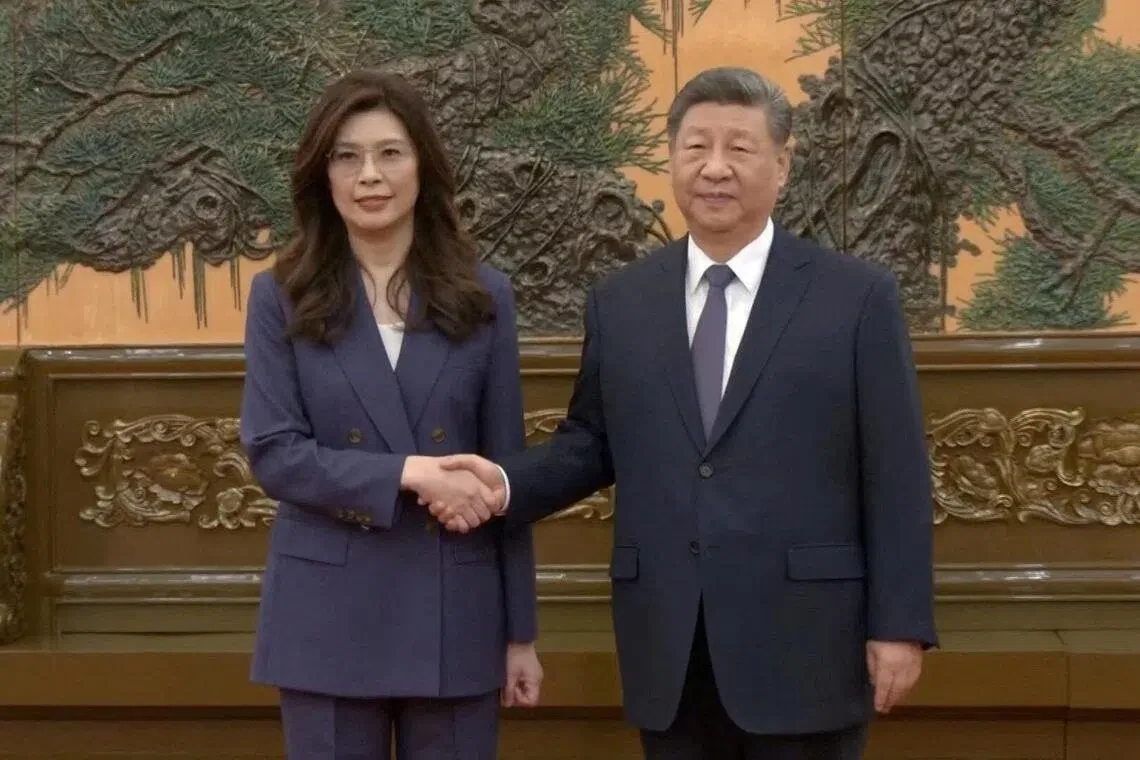
Chinese President Xi Jinping has significantly reduced provocative military actions near Taiwan and increased diplomatic pressure to isolate the island politically in 2026. Taiwan recorded an average of five Chinese warplanes crossing the Taiwan Strait’s buffer line daily through May 2026—about half the number reported during the same period in 2025 [1, 2, 3].
In March 2026, China did not send any fighter jets near Taiwan for seven consecutive days, marking the longest such absence on record outside typhoon periods [1, 2, 3]. This contrasts sharply with a peak of 153 Chinese warplanes near Taiwan in a single day in late 2024 [1, 2, 3]. Additionally, China has not conducted major military drills around Taiwan during 2026 [1, 2, 3].
China has expanded naval patrols east of Taiwan for the first time this year using Ministry of Transport survey and firefighting vessels to assert territorial claims [1, 2, 3]. The focus has also shifted toward the first island chain, which includes areas near Japan and the Philippines [1, 2].
On the diplomatic front, Beijing has stepped up efforts to isolate Taiwanese President Lai Ching-te internationally. China expelled a New York Times reporter in February 2026 and sanctioned New Zealand lawmakers who visited Taiwan in June 2026 [1, 2]. Lai’s planned transit through the US mainland has been delayed since summer 2025, and China campaigned to close international airspace to his rare visit to Africa in 2026 [1, 2].
Jeremy Chan, senior analyst at Eurasia Group, said, "Beijing has likely concluded its previous grey zone pressure tactics were harming its international reputation or building support internationally for Taiwan. What Beijing really wants is for Lai to lose at the ballot box in Taiwan’s next election in 2028. In the meantime, China seeks to isolate him internationally in an effort to weaken his domestic support levels" [1].