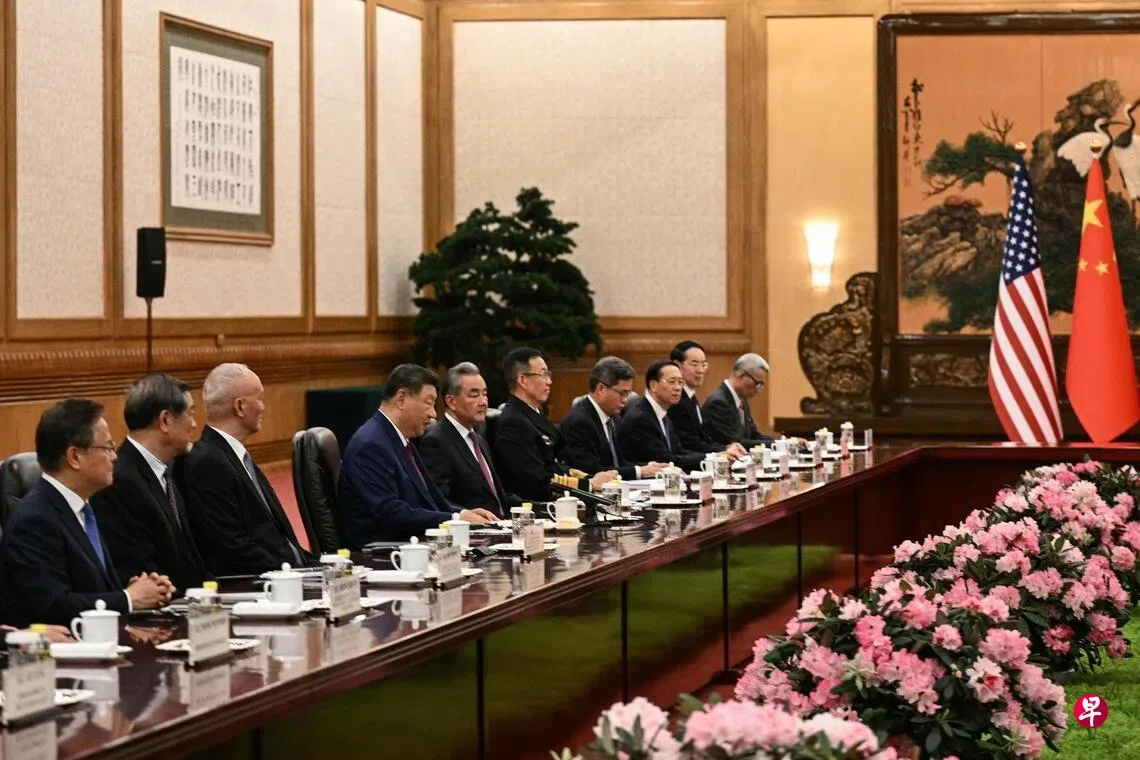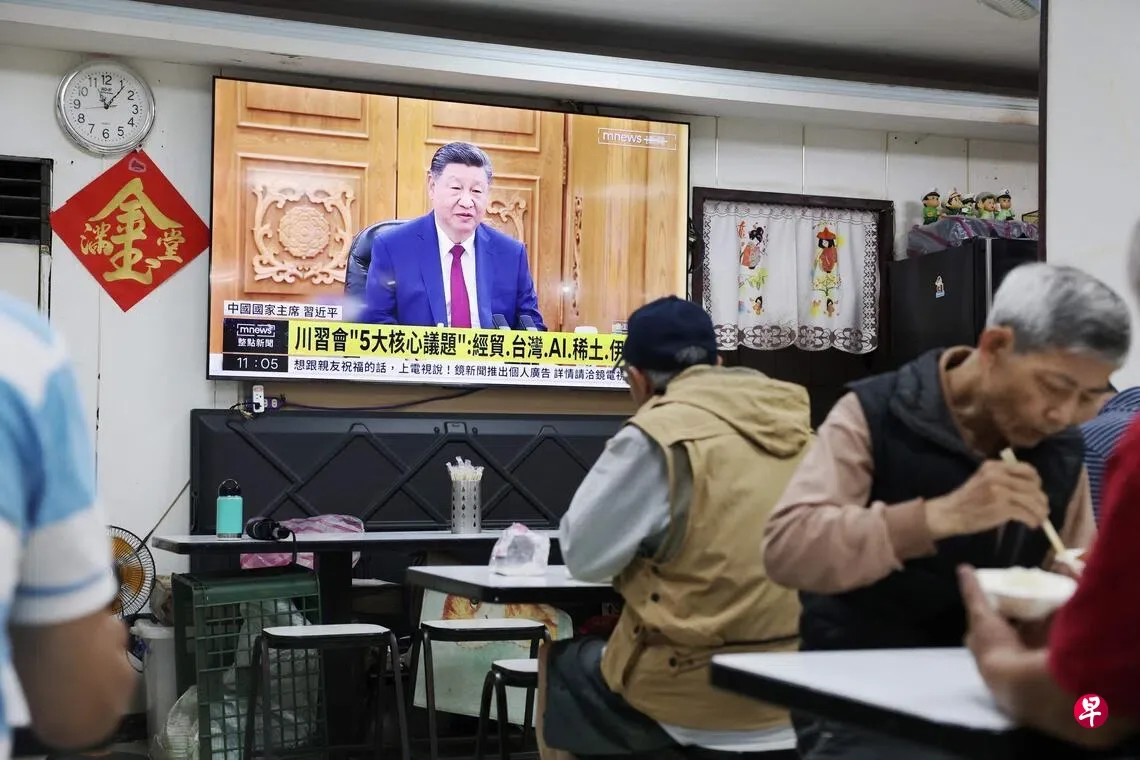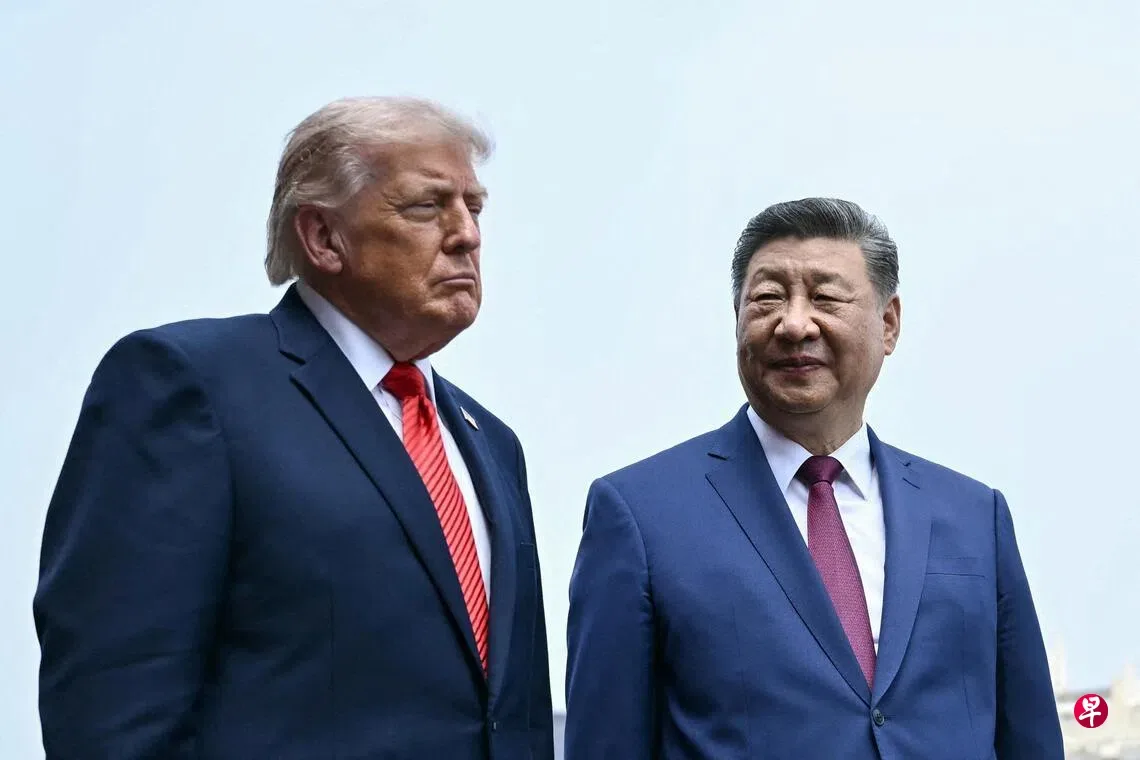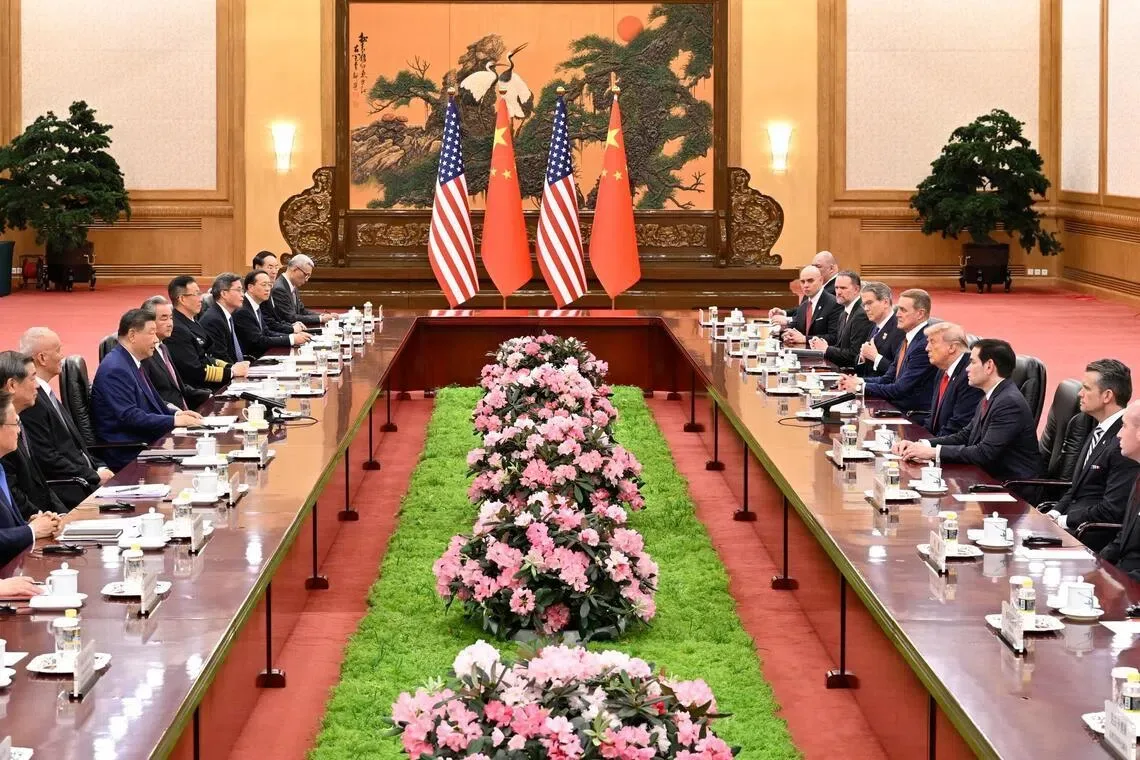
Chinese President Xi Jinping met with US President Donald Trump on May 14 in Beijing to discuss multiple issues, focusing heavily on the Taiwan question [1, 2, 3]. Xi stressed that the Taiwan issue is the most important problem in China-US relations. "Handled properly, bilateral ties can remain broadly stable. Handled poorly, the two countries could collide or even conflict," Xi said, warning the situation could push relations into "a very dangerous situation" [1, 4, 5]. He emphasized that "'Taiwan independence' and peace across the Taiwan Strait are mutually exclusive," calling the maintenance of peace and stability in the Taiwan Strait "the largest common denominator between China and the US" [1, 3, 6].
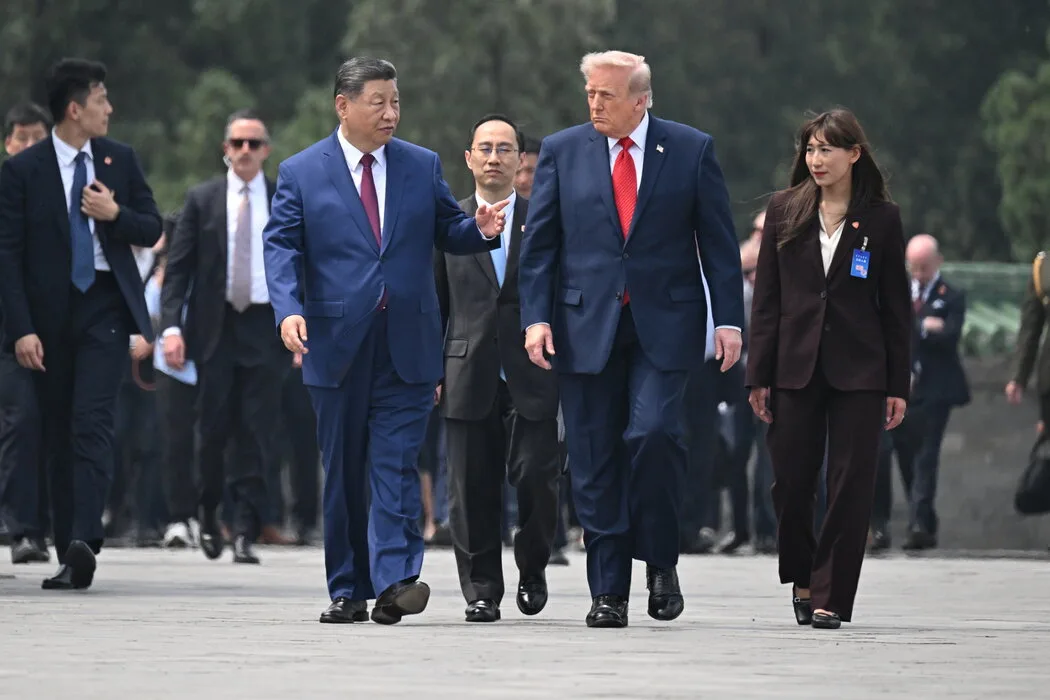
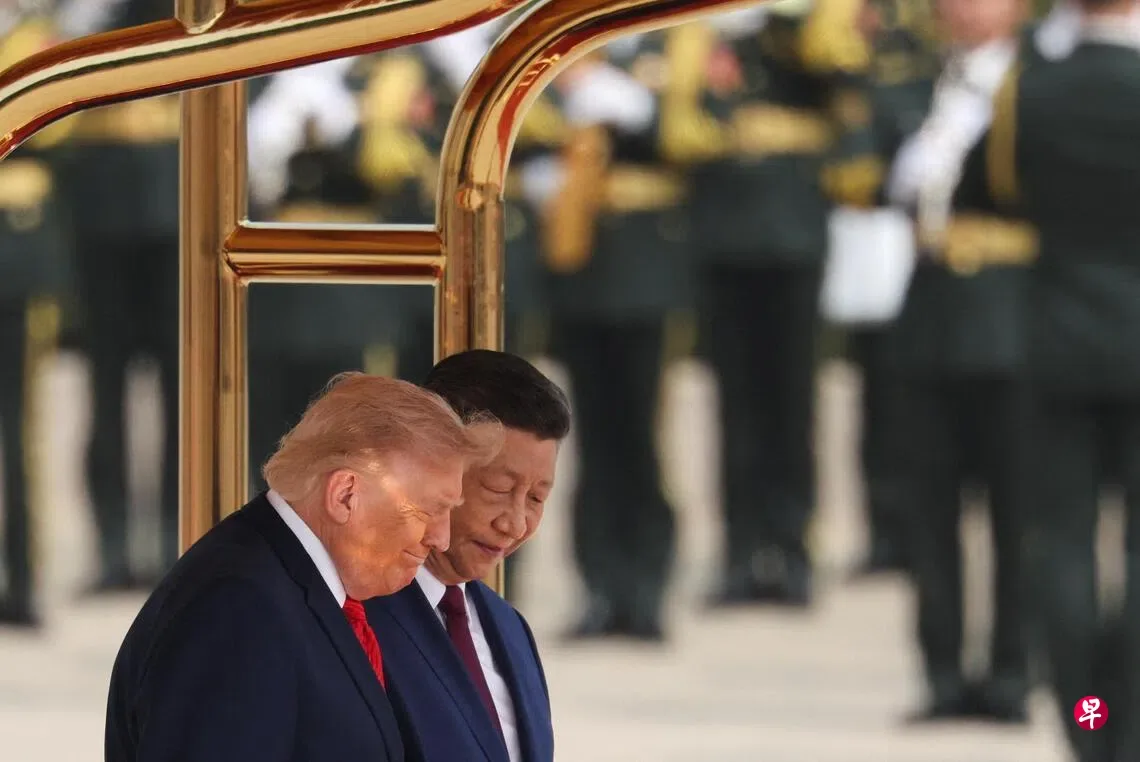
Trump arrived in Beijing on the evening of May 13 and held a roughly two-hour closed-door meeting with Xi at the Great Hall of the People on the morning of May 14 [1, 4, 2, 3]. In the afternoon, they visited the Temple of Heaven together, with Trump declining to answer reporters' questions about Taiwan [2, 3, 7]. Xi hosted a state banquet on the evening of May 14 and invited Trump to visit the US on September 24, 2026 [3, 8].
Before the trip, Trump indicated plans to discuss US arms sales to Taiwan with Xi, a potential departure from longstanding US policy to avoid consulting China on such sales [1, 2, 5, 6]. However, US officials including Secretary of State Marco Rubio said the US Taiwan policy "has not changed" despite the visit. Secretary Rubio emphasized the policy has remained consistent across multiple presidents [3]. US Treasury Secretary Scott Bessent said Trump "understands the sensitivity of the Taiwan issue" and would discuss it further in coming days [8].
Taiwanese officials sharply rejected Beijing’s claims, with Mainland Affairs Council spokesperson Liang Wenjie stating the real danger to peace comes from Chinese military provocations, not Taiwan’s desire to maintain its way of life [3]. Scholars in Taiwan noted Xi’s language about "collision or even conflict" signals a significant hardening of Beijing’s stance compared to past years [4, 7].
Trump’s delegation included major US business leaders such as Tim Cook, Elon Musk, and Jensen Huang, fewer than the 30 Trump claimed were invited [9, 3]. The visit attracted massive attention on Chinese social media with hundreds of millions of views [3]. Economic and trade discussions took place but no major breakthroughs were announced May 14 [10, 7].
Analysts characterized the meeting tone as Trump facing weaker domestic and international footing while Xi did not face comparable pressures. Xi also spoke of avoiding the "Thucydides Trap"—conflict between a rising and established power [10, 7].
Talks will continue after the visit, with the upcoming September state visit by Trump to the US spotlighting next steps in this high-stakes relationship.