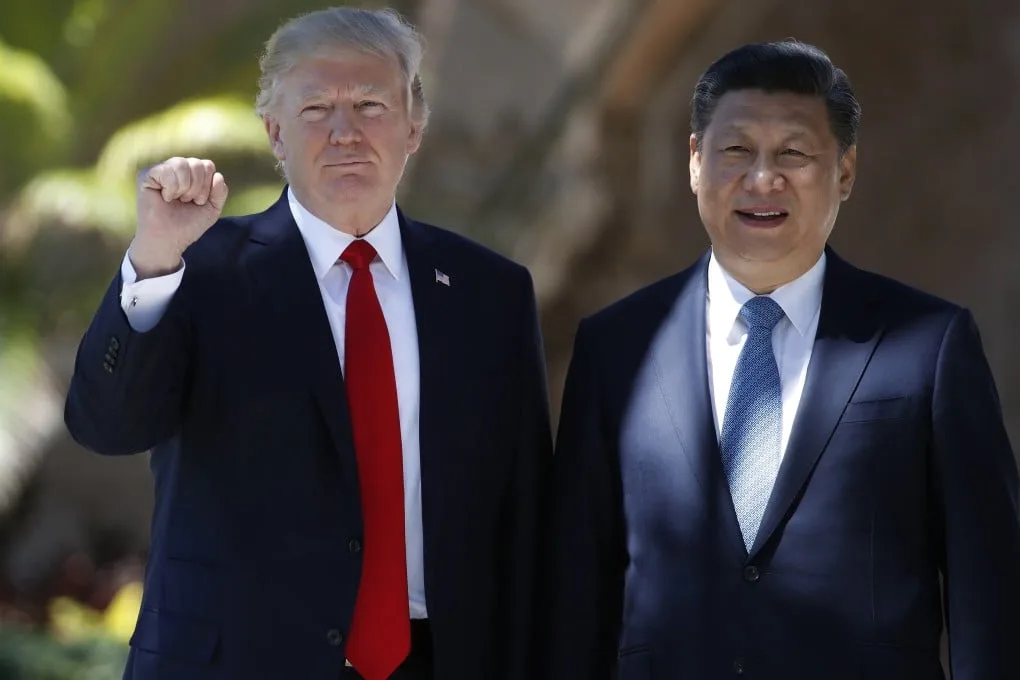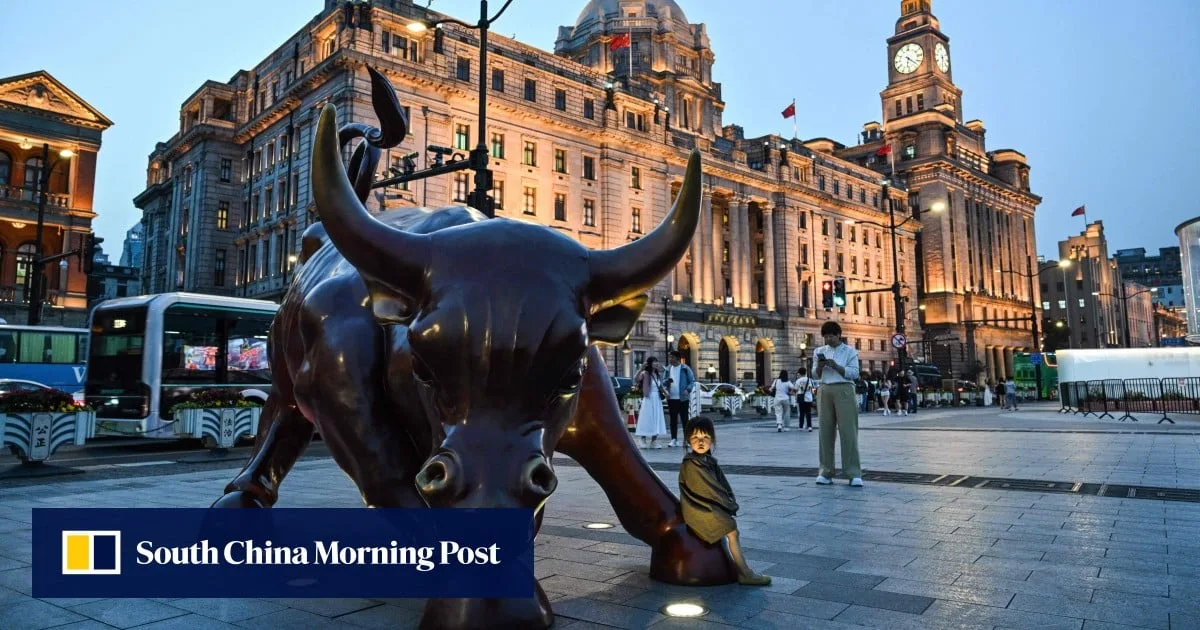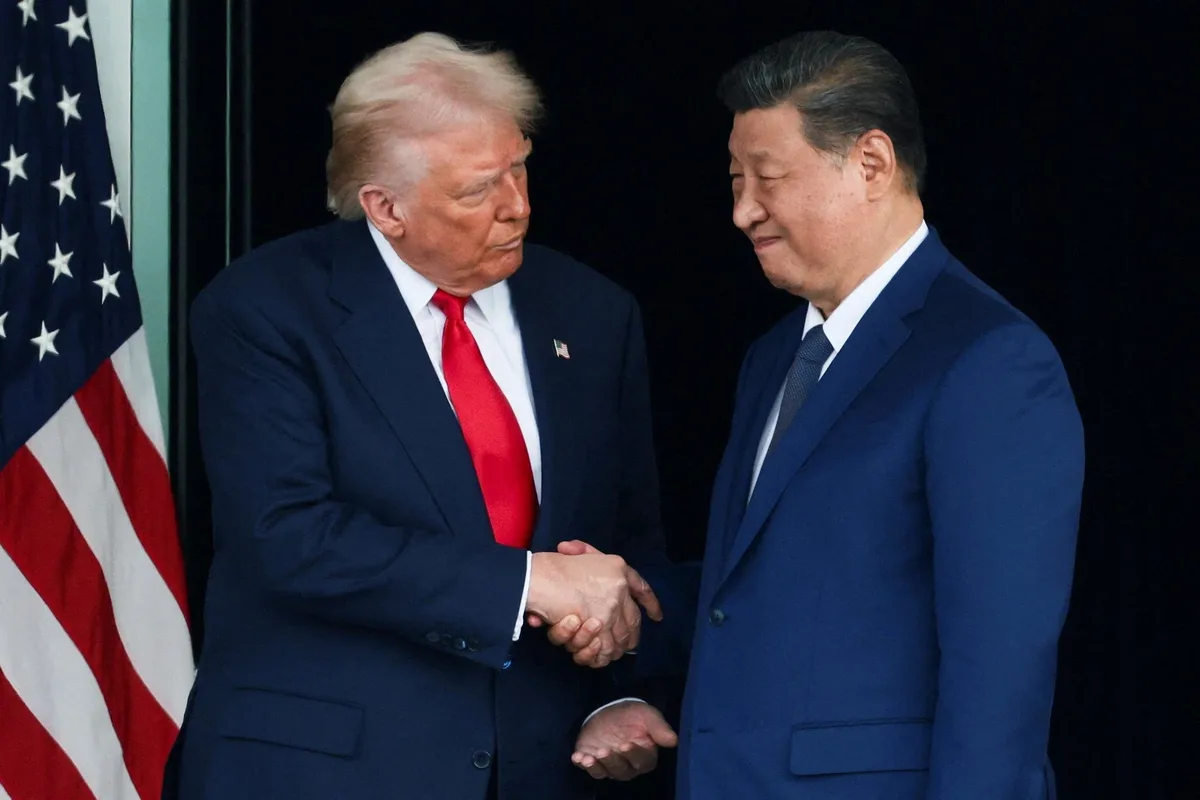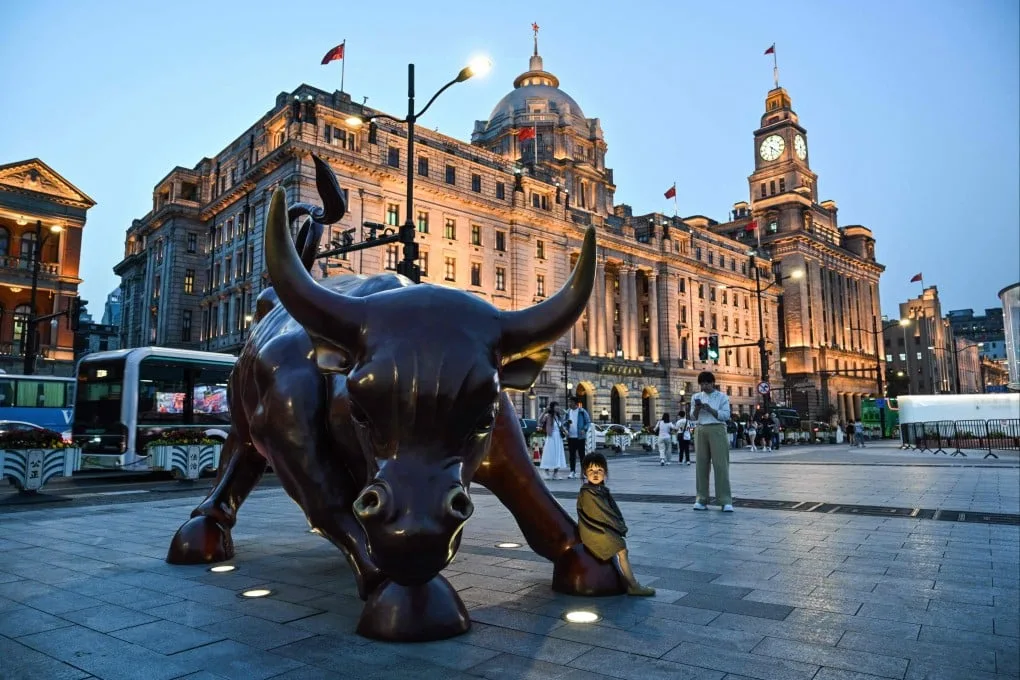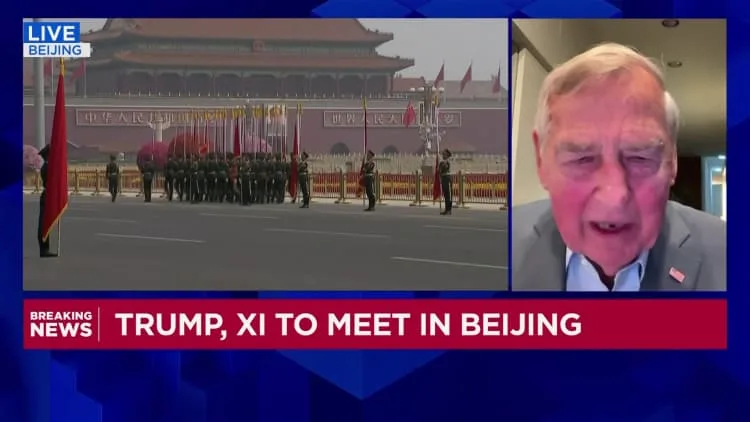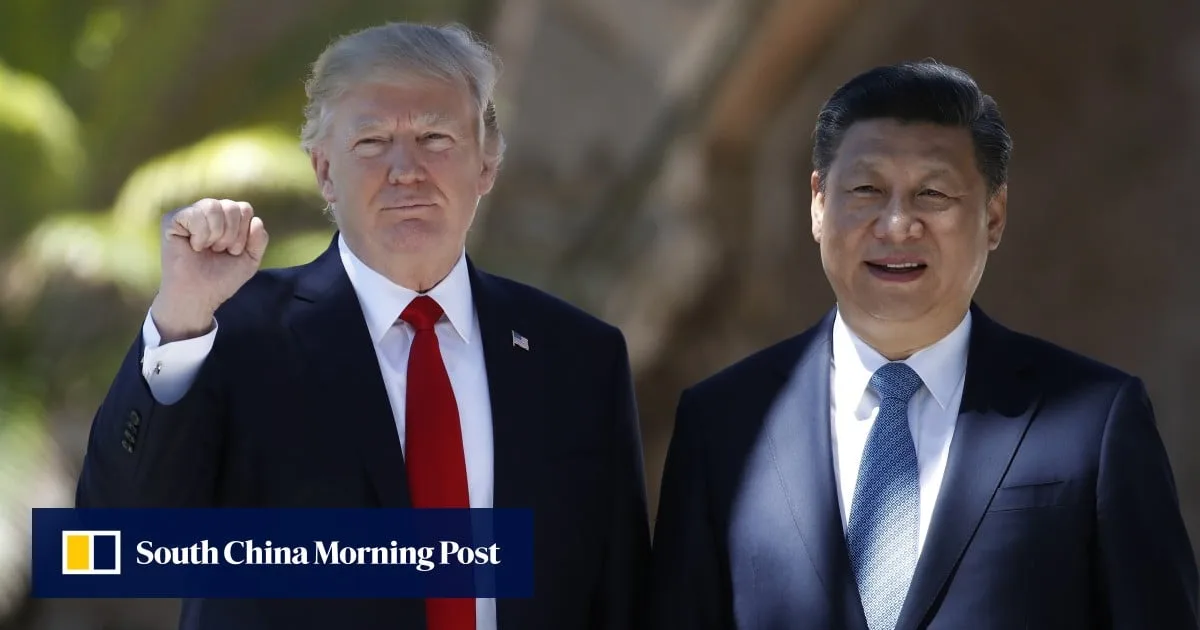
US President Donald Trump and Chinese President Xi Jinping held a summit in Beijing on May 14, their first meeting in nearly a decade by a sitting US president in China [1, 2, 3, 4]. The talks focused on tariffs, semiconductor export controls, rare earths, and possible Chinese purchases of US agriculture, energy, and aircraft [1, 4]. Analysts see the summit as a potential catalyst for easing trade tensions and lifting Chinese stocks through a renewed detente [2, 3, 4]. Capital markets are cautious, expecting moderate tactical agreements rather than a sweeping grand bargain [2, 3, 4].
Since October 2025, a US-China trade truce reached in South Korea has supported a surge in Chinese stocks and strengthened the yuan [3]. In the three months preceding the summit, the onshore yuan appreciated 1.7%, becoming Asia’s top-performing currency against the dollar [3]. Goldman Sachs projects further yuan gains over the next year, noting the currency remains roughly 20% undervalued against economic fundamentals [3, 4].
Access to advanced technology is key to these talks. Washington reportedly approved sales of Nvidia H200 AI chips to about 10 major Chinese companies, a move that could bolster China’s AI sector despite prevailing US chip export restrictions [4]. Jiong Shao, a technology analyst, said, "Having access to Nvidia's latest chips… is very, very critical for the Chinese players to compete on a global stage" [4]. These technology transfers come amid persistent challenges for Chinese firms constrained by export limits [4].
Investors show cautious optimism, focusing on yuan strength, export resilience, domestic tech investment, and AI-related demand as tactical plays amid continued risks [2, 3, 4]. Tai Hui from an investment firm noted, "The ideal scenario would be the status quo to continue. Tariffs and trade tensions have taken a backseat on investors’ minds for now, given the supply risk to energy and petrochemicals" [3]. Scott Kennedy, an analyst, said, "Each side has enormous leverage over the other, managing their interdependence in a way that doesn’t lead to escalatory spirals" [1].
Some analysts highlight strategic topics like reopening the Strait of Hormuz, a key global energy and trade chokepoint, as part of broader discussions, though with medium confidence [1]. Lyle Goldstein commented, "Trump is focused on it because he wants it off his desk" [1].
The meeting arrived amid hopes Chinese stocks could see upside near 27% in the MSCI China index, based on market expectations tied to easing tensions [2]. Dong Chen said the very fact that Trump and Xi were meeting "sent a positive signal" to markets and policymakers [4].