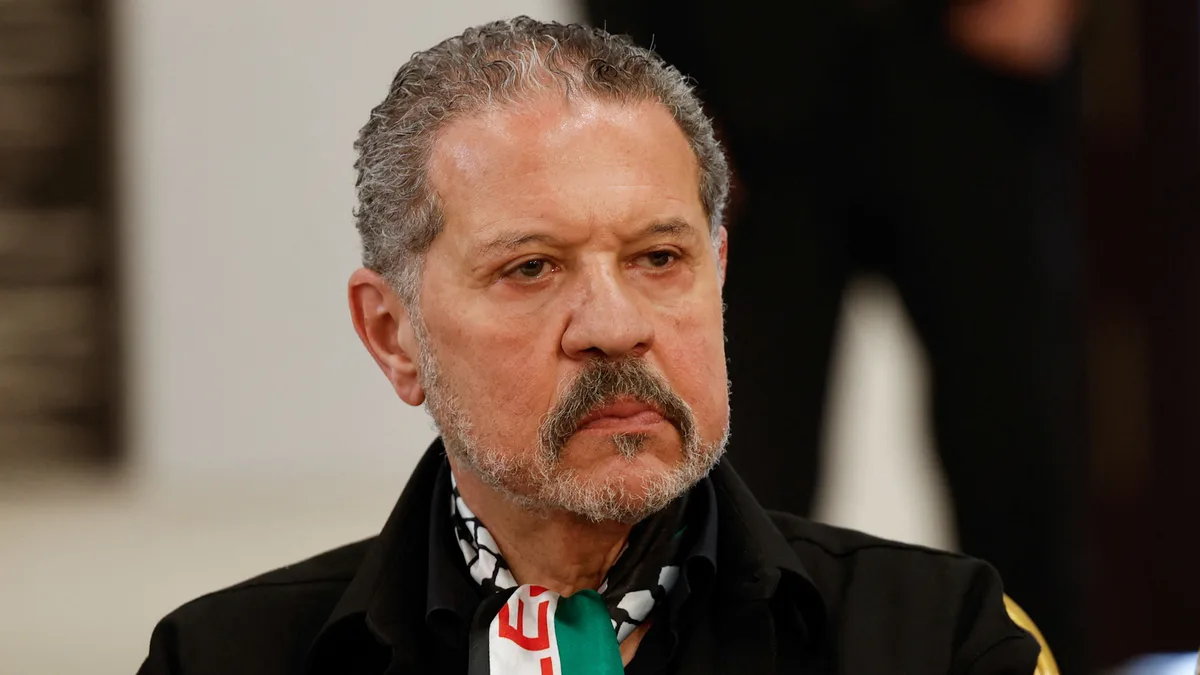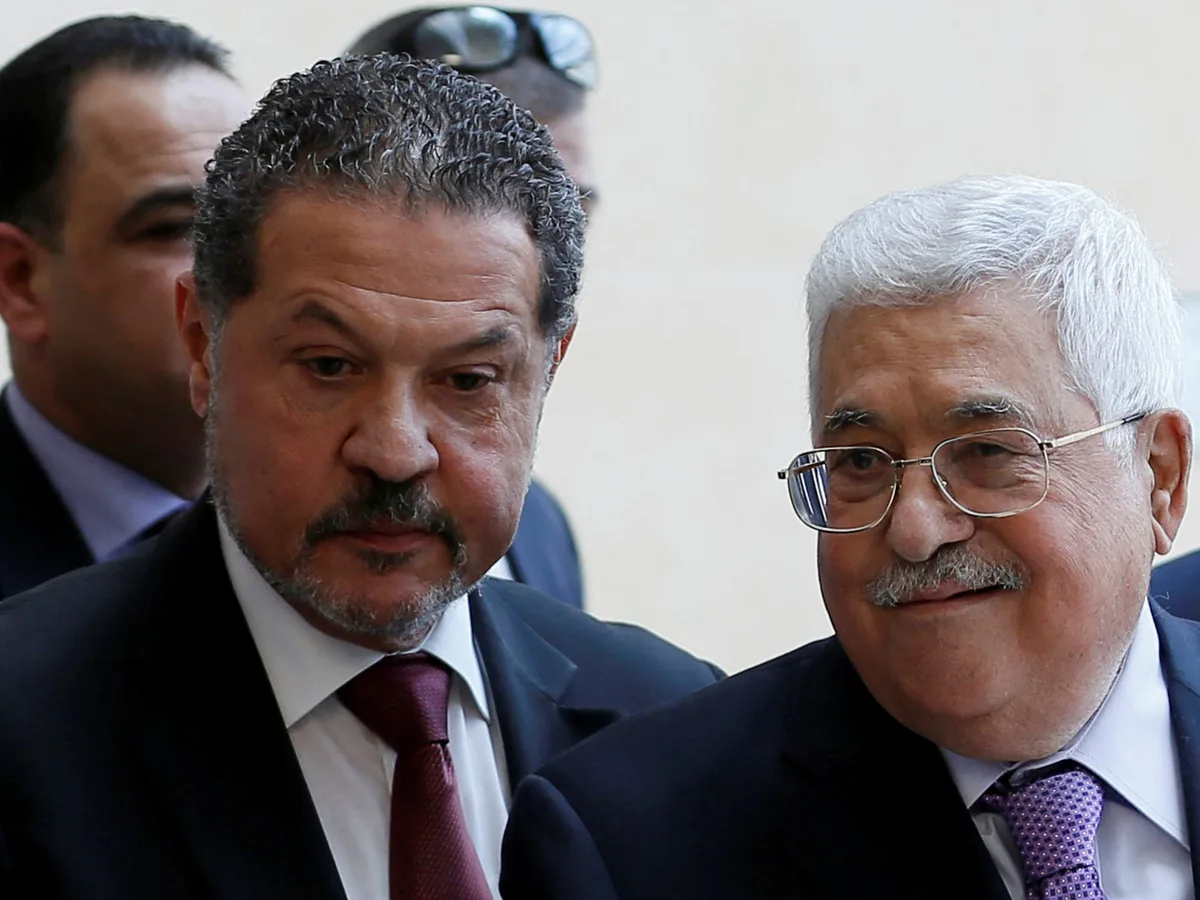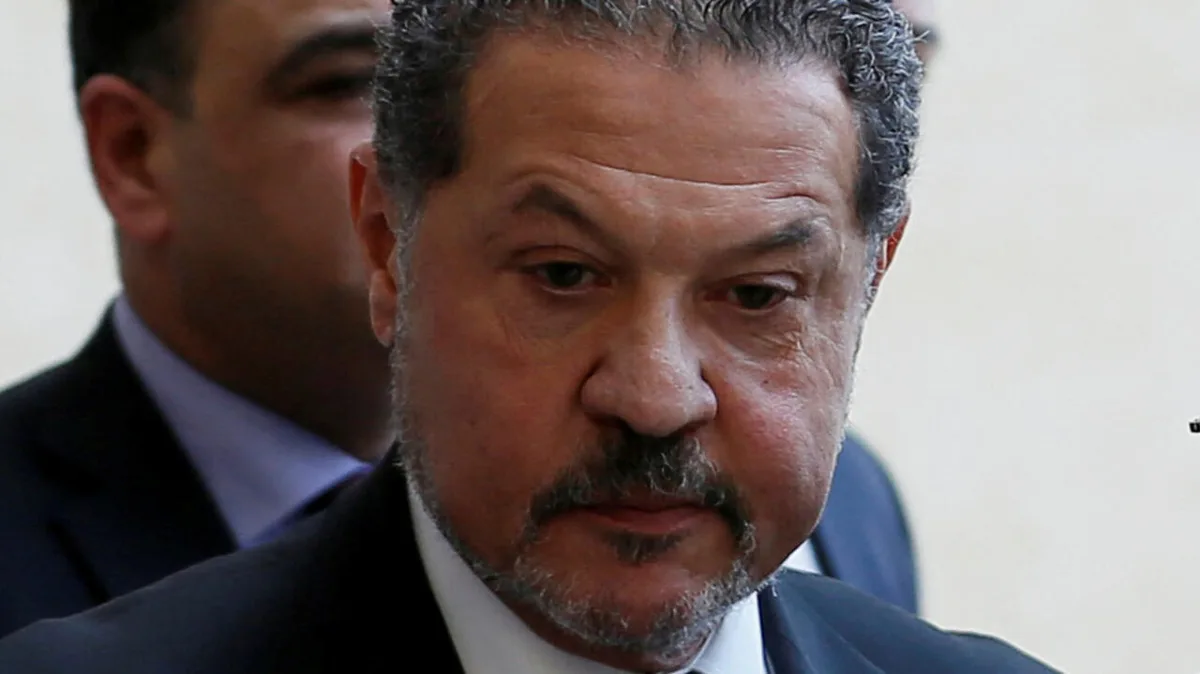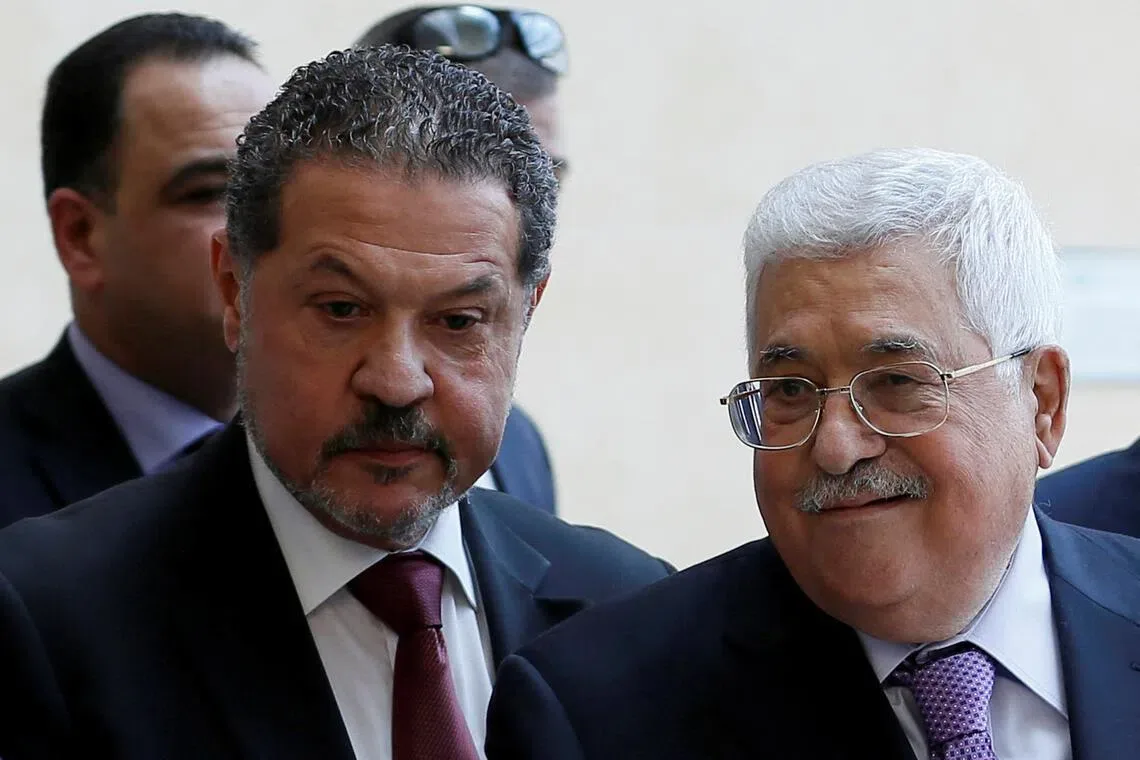
Yasser Abbas, 64, the son of Palestinian President Mahmoud Abbas, won a seat on Fatah's Central Committee on May 17, 2026, at the party's first general congress in nearly a decade [1, 2, 3, 4, 5, 6, 7]. The three-day congress ran from May 14 to May 17 and took place simultaneously in Ramallah, Gaza, Cairo, and Beirut, with about 2,507 voters participating and a turnout around 94.6% [1, 3, 4, 5, 6].
The Central Committee election featured 59 candidates competing for 18 seats, with Abbas among those elected to lead the party's decision-making body [1, 4, 5, 6]. Yasser Abbas is a businessman who mostly lives in Canada and was appointed around five years ago as his father's "special representative" [1, 2, 3, 4, 5, 6]. His election is part of an internal reshuffle during the congress amid expectations about Mahmoud Abbas' eventual succession [2, 8, 9, 6].
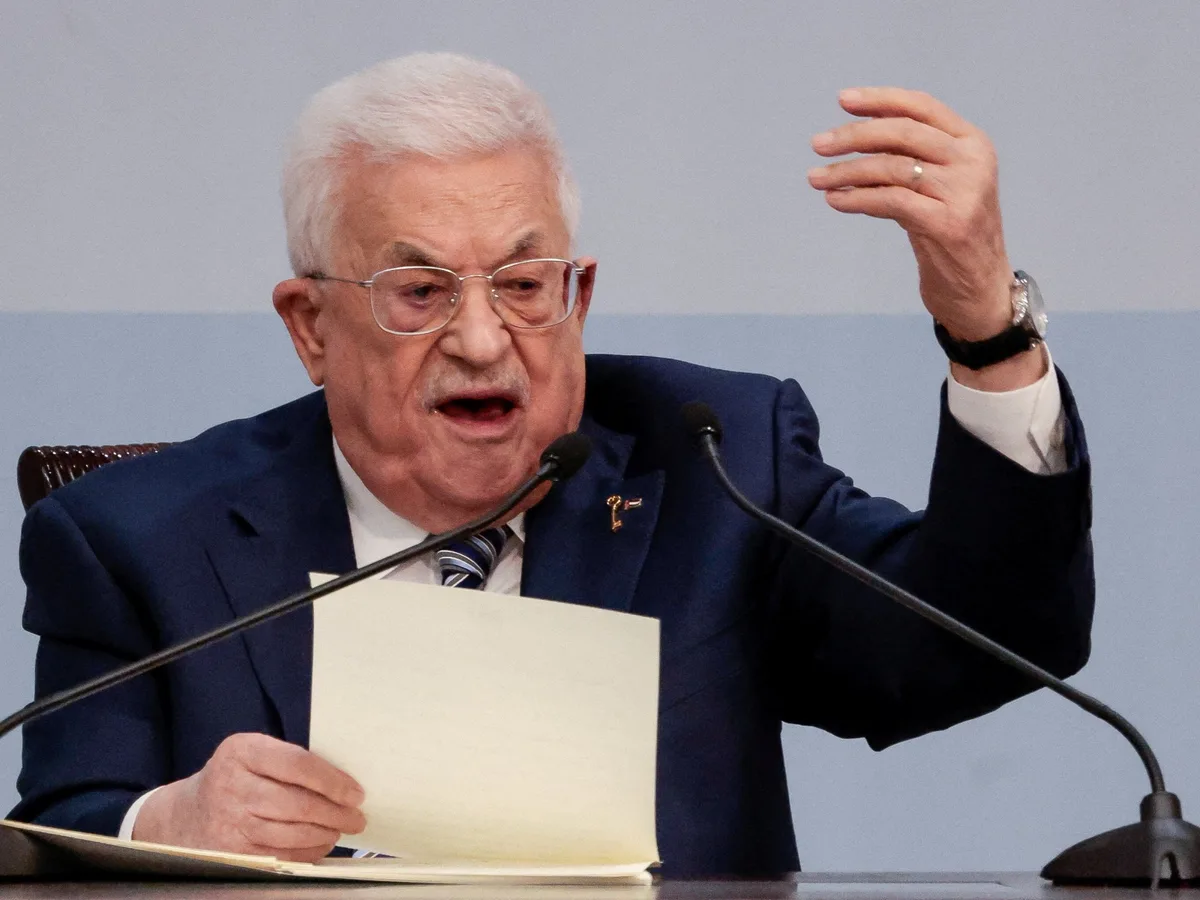
Meanwhile, Mahmoud Abbas, aged 90-91, was reelected as the head of the Fatah movement during the congress [1, 2, 3, 4, 9, 5]. Jailed Fatah leader Marwan Barghouti retained his seat on the Central Committee and received the highest number of votes, highlighting his continuing influence [1, 3, 4, 5, 6, 7]. Jibril Rajoub was reelected as secretary-general of the Central Committee, a role he has held since 2017 [1, 3, 4, 5, 6, 7].
Other key incumbents retaining seats included Palestinian Vice President Hussein al-Sheikh, deputy leader Mahmoud Al-Aloul, and former intelligence chief Tawfiq Tirawi [1, 3, 4, 5, 6]. Newcomers included Zakaria Zubeidi, a former commander of Fatah's armed wing freed from Israeli prison in a 2025 prisoner exchange [1, 2, 3, 4, 5, 6, 7], and Majed Faraj, head of Palestinian General Intelligence and a close Abbas ally [2, 9, 7]. Two women, including Ramallah governor Laila Ghannam, also won seats on the Central Committee [1, 3, 4, 5].
The congress attracted criticism over Fatah's ongoing challenges such as accusations of corruption, political stagnation, and declining popularity amid stalled peace efforts [1, 2, 8, 4, 9, 5, 6]. Birzeit University political science professor Djabavi said, "This looks just like a shuffle of some people replacing others without presenting a political, economic or cultural vision for addressing the problems in the West Bank and Gaza" [6]. Dr Nasser al-Qudwa added, "Mahmoud Abbas engineered this meeting to produce the outcome he wants and he succeeded" [9].
The election replaced about half of the incumbent Central Committee members, including among Gaza representatives [9]. The counting for the Fatah Revolutionary Council elections, with 450 candidates competing for 80 seats, was still ongoing as of May 17 [1, 3, 4, 5, 6]. Final election results for the Central Committee were confirmed between May 18 and 19, 2026, solidifying the leadership lineup [9, 6, 7].