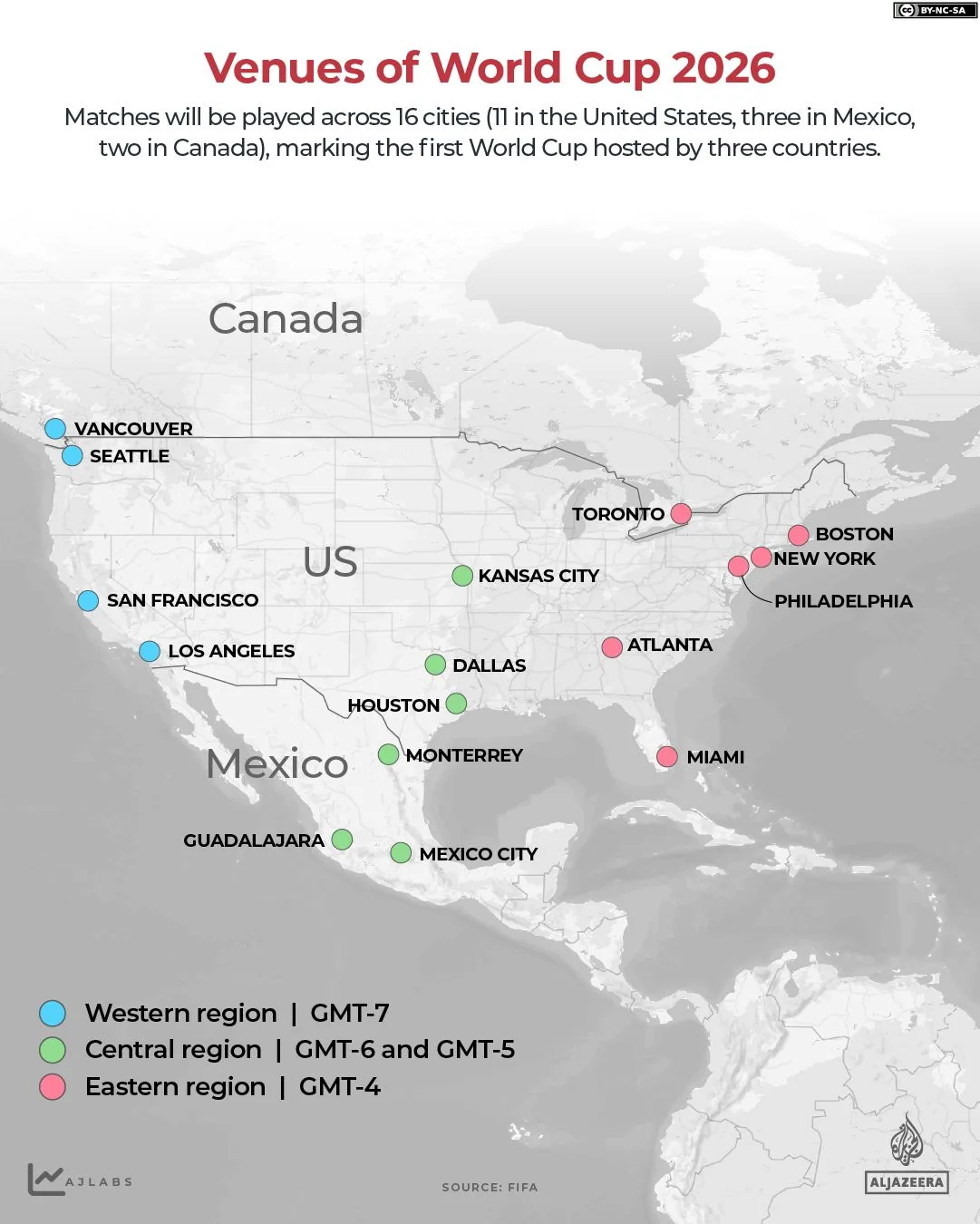
The 2026 FIFA World Cup will open on June 11 with 48 teams playing 104 matches across the United States, Mexico, and Canada, marking the first World Cup hosted by three countries simultaneously [1, 2, 3]. Several US host cities, including Miami, Houston, Dallas, and Atlanta, are expected to face extreme heat during the tournament, raising concerns about player and fan safety [1, 2, 3].
About 26 matches could experience Wet Bulb Globe Temperature (WBGT) levels above 26°C, with five matches reaching 28°C or higher, conditions that are considered dangerous due to heat stress risks [2]. Of these heated matches, 17 will take place in stadiums equipped with cooling systems, but over a third of the hot matches will be held in venues lacking air conditioning or rooftops, increasing vulnerability to heat exposure [2].
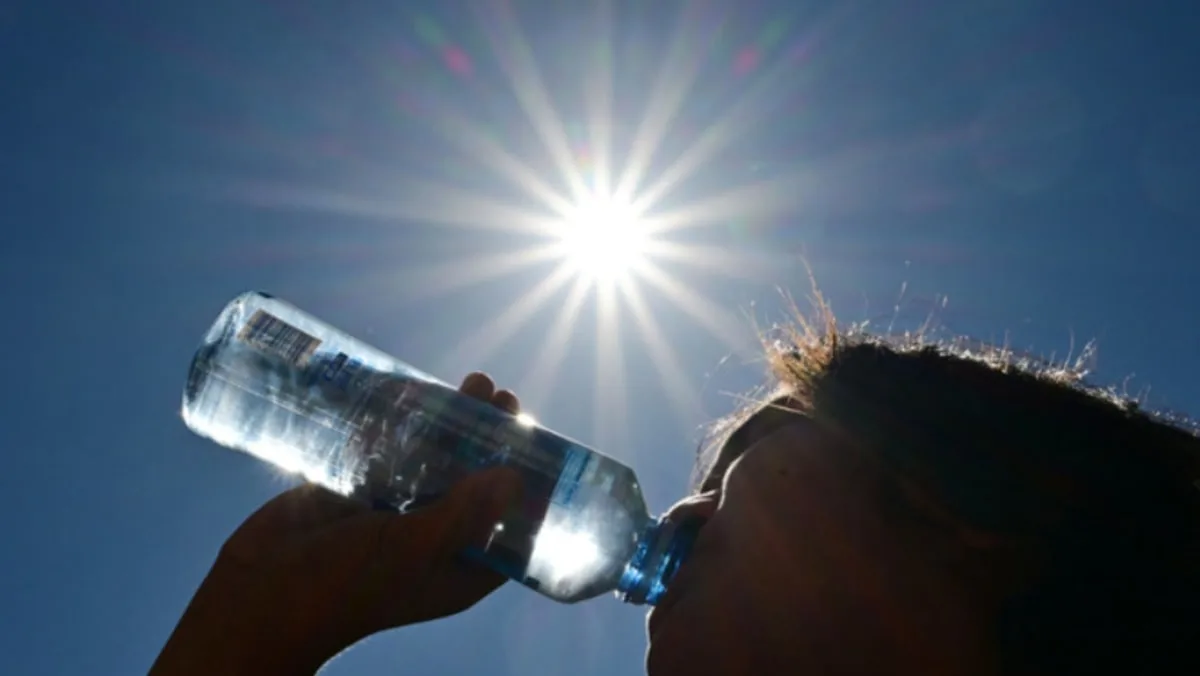
Experts warn that the combination of high humidity and extreme heat can impair players’ natural cooling mechanisms, leading to heat-related illnesses such as heat cramps, exhaustion, or potentially fatal heat stroke [3]. Mike Tipton, a physiology professor at the University of Portsmouth, said, "Playing football at temperatures above 28 degrees will change the tactics and pace of the game. The hotter it gets, the higher the risk, especially at World Cup where players push beyond limits" [3].
Many stadiums across host cities lack rooftops or full air conditioning, compounding the heat risks for fans and players alike [4, 3, 5]. In response, organizers have scheduled more night matches in hotter locations and mandated water breaks to help players manage heat stress [3]. For instance, a June 26 match between Uruguay and Spain in Guadalajara, Mexico, is singled out for facing very hot weather [3].
England captain Harry Kane downplayed heat concerns for his team, stating, "It won’t be a factor, because of our World Cup training schedule" [2].
Alongside heat, the World Cup coincides with the start of the Atlantic hurricane season in June, which could disrupt matches in Gulf of Mexico–adjacent cities such as Miami, Houston, and Monterrey [1, 6]. Although the 2026 hurricane season is expected to produce below-average storms due to El Niño, experts caution that early-season tropical cyclones with heavy rain and flooding remain a threat [1, 6]. Julian Heming, a UK meteorologist, noted that the peak hurricane period runs mainly from August to October, so June and July matches generally face lower tropical cyclone frequency and intensity [1].
The US experienced its second hottest spring on record in early 2026, with more than half of the 48 mainland states recording one of their top three warmest springs historically. Large areas remain in drought, and western and northern US regions are forecast to continue seeing above-average temperatures in June [7, 4, 5].
The opening match and other early games will reveal how heat and weather hazards affect play and attendance. The Uruguay vs Spain game in Guadalajara on June 26 is an early high-heat test. Organizers will monitor conditions closely as the tournament progresses across venues in three countries [1, 3].