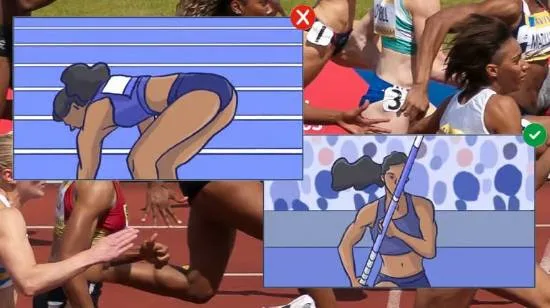
The European Broadcasting Union (EBU) and European Athletics introduced "Raising the Bar," a 23-page set of broadcasting guidelines aimed at reducing sexualized camera angles in live coverage of female athletics events globally [1, 2, 3, 4]. The guidelines, released in June 2026, are expected to be implemented starting with the European Athletics Championships on August 10, 2026, in Birmingham [1, 2].
The new rules advise broadcasters to avoid low camera angles beneath athletes, prolonged close-ups of body parts, and slow-motion replays that lack technical or storytelling value [1, 2, 3, 4]. Instead, the guidelines encourage the use of wider shots and innovative angles like aerial views to highlight athletic technique while minimizing objectification [2, 3]. According to the guidelines, these changes can be made without sacrificing storytelling or visual quality. "This is not a list of restrictions," the document states. "Across high jump, pole vault, horizontal jumps and running events, the report demonstrates how the most compromising shots can be avoided with no loss of storytelling or visual quality" [5].
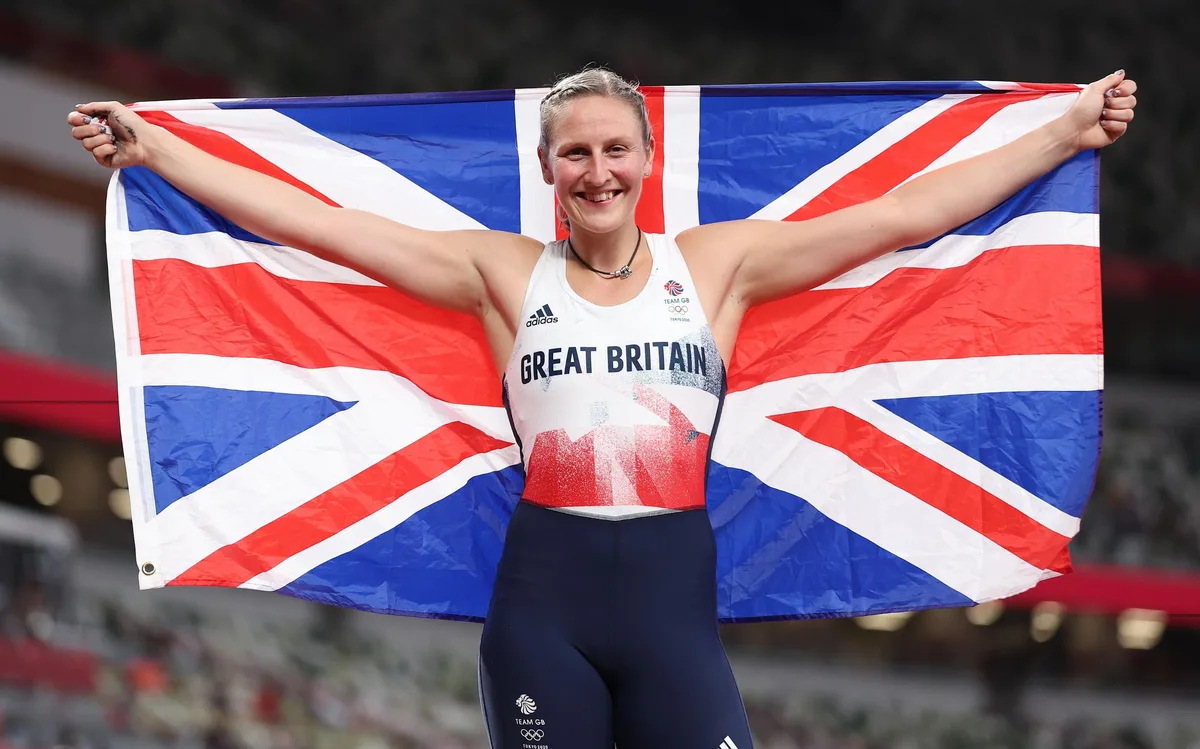
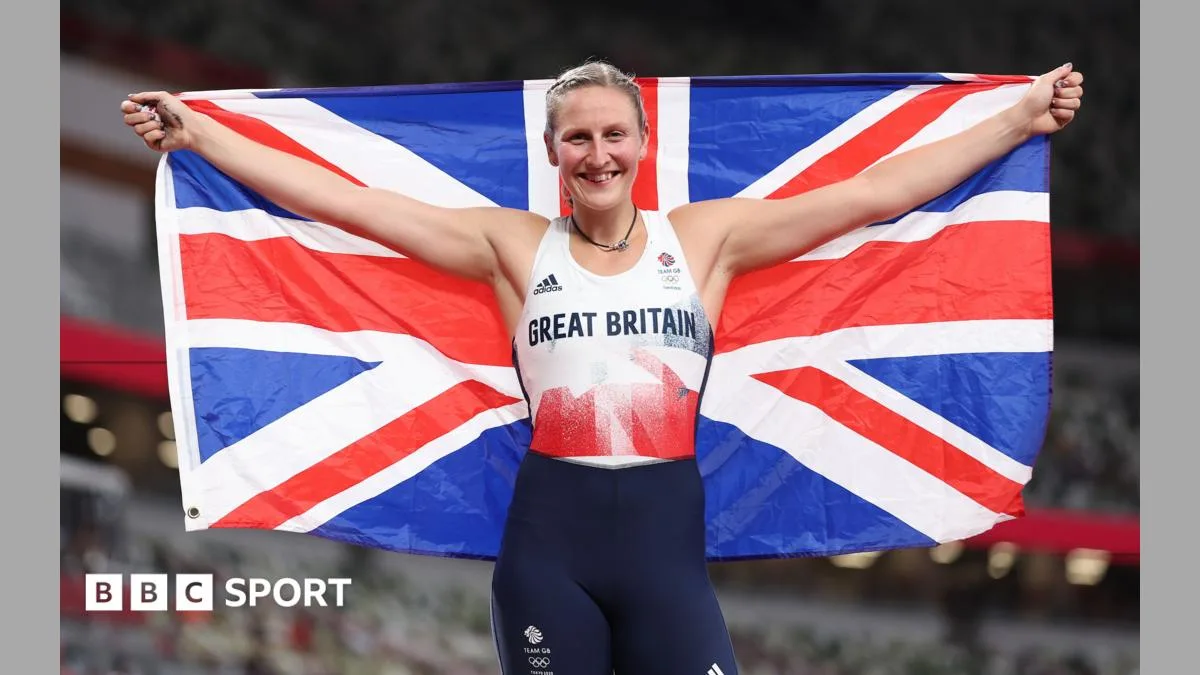
Athletes played a role in shaping the guidelines. British Olympian Holly Bradshaw said, "How our sport is displayed during live broadcast can be incredibly powerful, yet sometimes harmful to the women competing and the women [and] girls watching. I first-hand have received social media abuse and witnessed inappropriate videos online of myself and colleagues when slow-motion content of us competing is captured" [1]. Serbian long jumper Ivana Spanovic added, "Certain cameras not only cause discomfort during events but can have serious long-term effects on athlete's mental health" [1].
Glen Killane, EBU Sport executive director, said sexualization through selective camera angles and editing is a long-standing problem in women's sports broadcasts. He noted it remains a significant concern across many sports [1, 3, 4]. European Athletics President Dobromir Karamarinov called the guidelines a "crucial step toward eliminating harmful portrayals of women in our sports while maintaining the highest level of storytelling and technical excellence" [2].
The issue gained wider public attention during the 2024 Paris Olympics, when there were calls for equal filming standards for male and female athletes [5]. Since the guidelines’ June release, they have sparked debate on social media, especially in the United States [5].
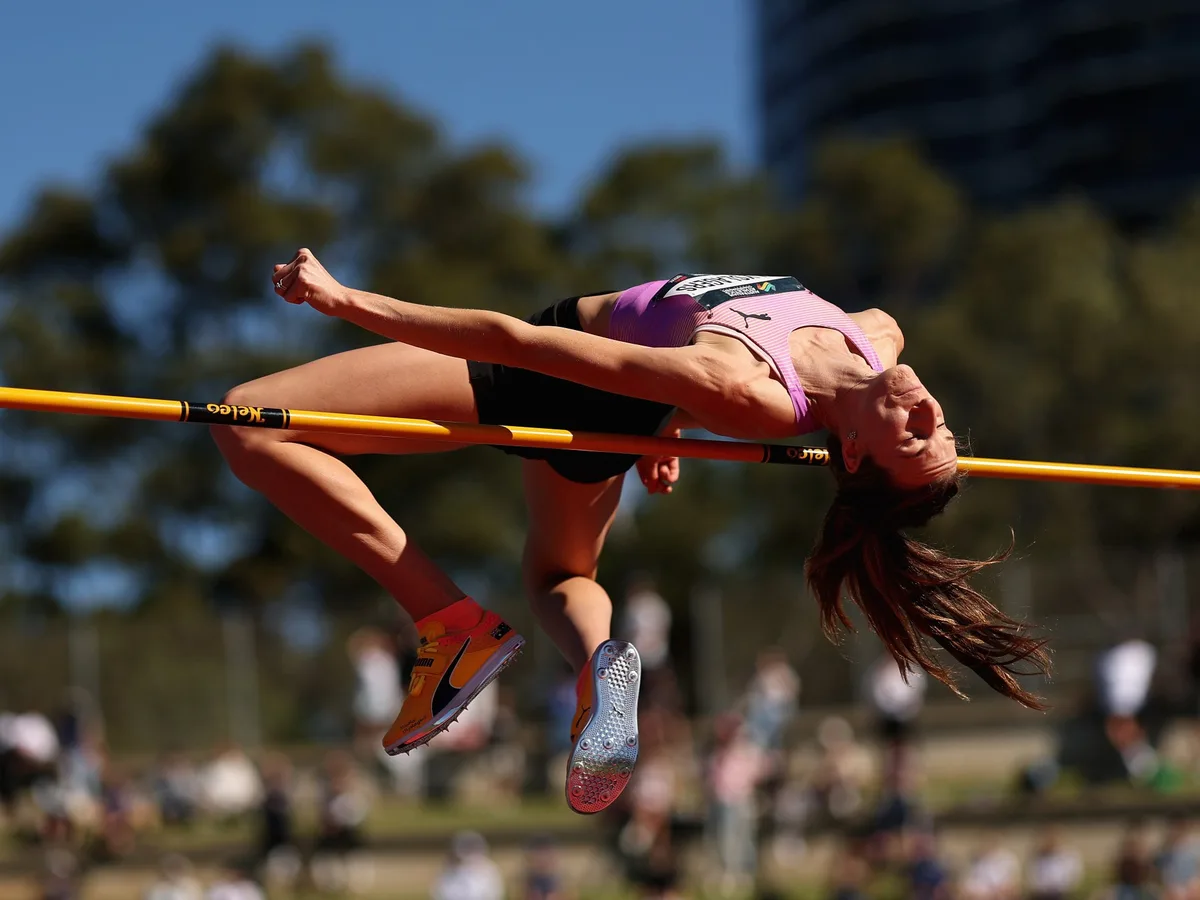
The guidelines include visual examples of approved and discouraged camera angles for events such as high jump, pole vault, long jump, triple jump, and running disciplines [2, 3]. They aim to improve broadcast quality and athlete welfare.
The first major event set to adopt the new standards is the European Athletics Championships beginning August 10, 2026, in Birmingham [1].
![A screengrab from the recently issued guidelines from the European Broadcasting Union on respectful coverage of women’s sport [EBU Sports]](/uploads/2026/07/15/b822b4736691201bdc7378b0.webp)
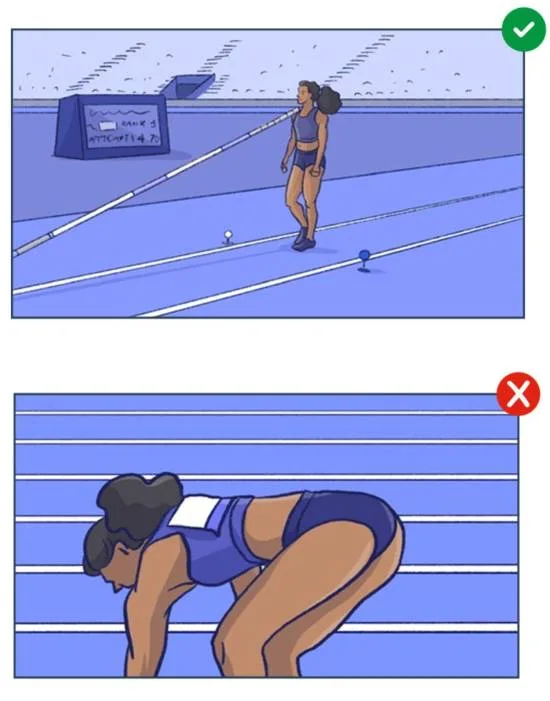
![A screengrab from the recently issued guidelines from the European Broadcasting Union on respectful coverage of women’s sports [EBU Sports]](/uploads/2026/07/15/6ef68c2acc89dae176bb255f.webp)