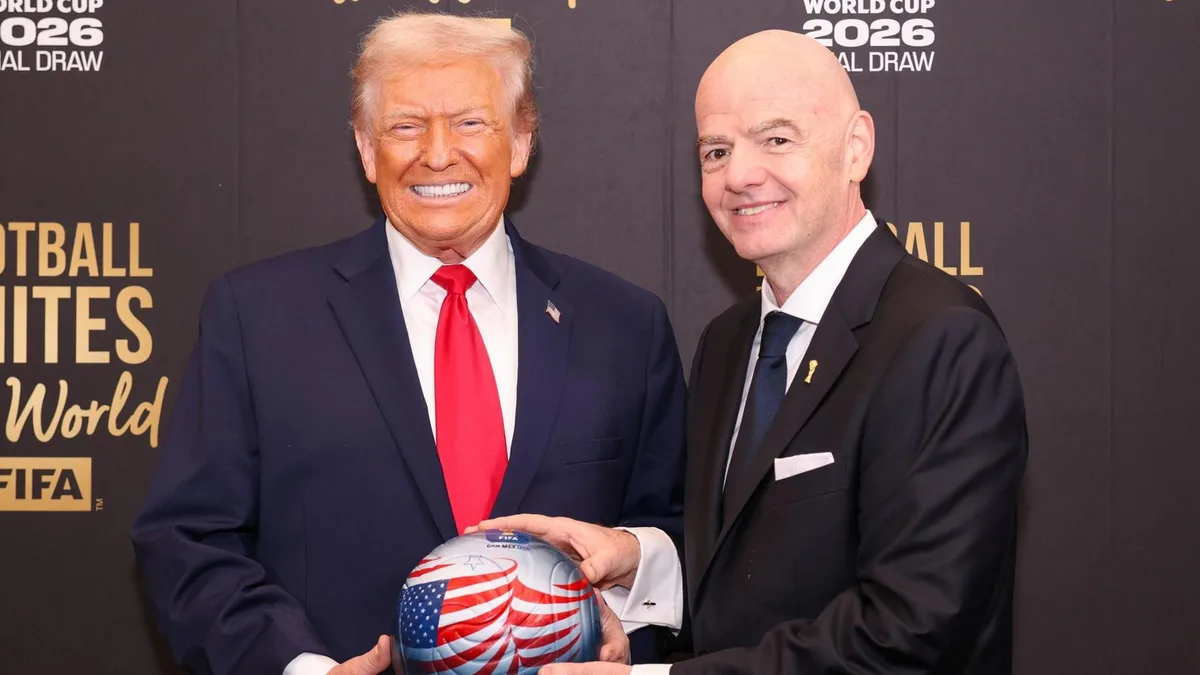
The United States is considering a solo bid to host the 2038 men's FIFA World Cup, aiming to handle a potential expansion to 64 teams alone, according to Andrew Giuliani, executive director of the White House's World Cup task force, who spoke publicly on June 27, 2026 [1, 2]. Giuliani told reporters, "When you think that this World Cup may at some point expand out to 64 teams, I think the United States can handle it." He added, "There's no better country that's positioned to host a World Cup than the United States, and I think we're seeing that on social media." The US boasts excellent infrastructure and existing stadiums, needing only about $2 billion in upgrades, unlike other nations that must build costly new venues from scratch [1, 2].
The 2026 World Cup, currently underway, is co-hosted by the United States, Canada, and Mexico, and features an expanded field of 48 teams [1, 2]. Looking ahead, the 2030 tournament will be jointly hosted by Spain, Portugal, and Morocco, with matches also in Uruguay, Argentina, and Paraguay, while Saudi Arabia will host the 2034 cup [1, 2].
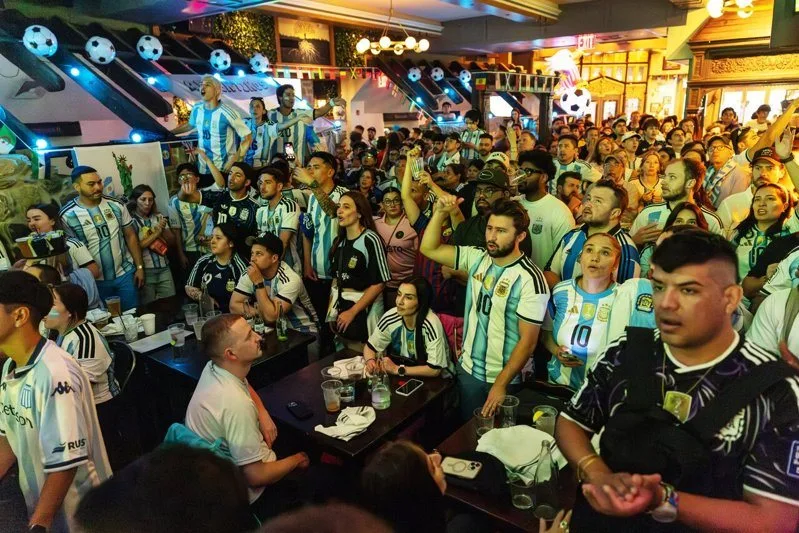
Despite hosting success, the 2026 World Cup has exposed cultural clashes over the US tipping system. International fans from the UK, Australia, Japan, and elsewhere have voiced frustration at tipping demands that can reach 20%, even on small purchases like bottled water [3, 4, 5, 6]. England’s Geoff Pryor said, "I can understand giving a tip for good service, but being asked for a tip to buy a bottle of water when they did nothing is strange." Australian fan Chris O'Flynn added, "Most Australians think employers should raise wages, not expect customers to tip. It’s confusing and we don’t know how much to give." Japanese visitor Maiko Asahi noted, "Prices are already high without tips, but with tipping culture added, it becomes very expensive."
US restaurant and bar staff often rely heavily on tips to supplement low base wages, sometimes as low as $2 per hour in many states [3, 4, 5, 6]. However, some regions like Los Angeles pay higher hourly wages around $16.20, which reduces but does not eliminate tip dependence [6]. Brooklyn bar owner Chris Keller said European tourists often leave little or no tip, "often pretending they don’t know about it," prompting some venues to require prepayment including service fees to protect workers. "We now require prepayment including service fees for bookings," he said. Rosa Thurnher of the Independent Restaurant Coalition explained, "In the US, 20% tipping is standard due to wage structures. Without tips, restaurant workers cannot survive." [6]
Andrew Giuliani’s public statements on June 27 highlight ongoing US planning and optimism about handling future event scale and logistics [1, 2]. The World Cup organizing bodies have yet to confirm details about the 64-team expansion or final host selections for 2038.