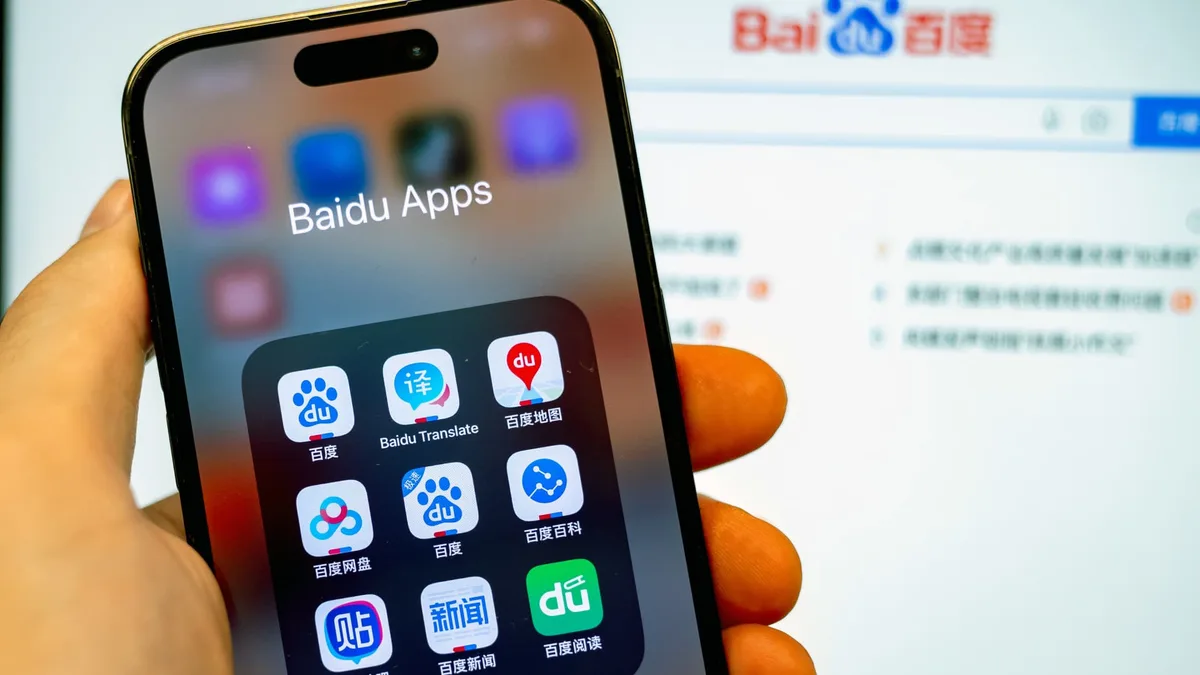
Alibaba and Baidu have formed partnerships with Apple to integrate their AI tools into Apple services in China, expanding the tech giant’s local AI offerings [1]. Alibaba’s Qwen AI model will be included in Apple Intelligence experiences across iOS, iPadOS, macOS, and visionOS for Chinese users. An Alibaba spokesperson said, “Qwen will be integrated into Apple Intelligence experiences within iOS, iPadOS, macOS, and vision OS for users in China” [1]. Meanwhile, Baidu is working with Apple to bring AI features to the iPhone in China [1].
Following the announcement, Alibaba’s shares rose 5% and Baidu’s shares gained 4% in Hong Kong on July 15, reflecting investor optimism about the partnerships [1]. The Cyberspace Administration of China has approved Apple Intelligence among other smartphone-based AI service providers, including Huawei Technologies, allowing Apple’s AI offerings to operate officially in China’s regulated tech environment [1].
Baidu’s AI chip unit Kunlunxin announced plans for a Hong Kong IPO expected to value the company at $50 billion, signaling growing domestic investment in AI hardware capabilities [1].
China’s AI models now represent nearly 60% of U.S. firms’ AI usage on the OpenRouter marketplace, a figure that highlights China’s increasing influence in global AI markets [2]. State media have portrayed China’s AI strategy as more open and collaborative than Western approaches. The People’s Daily warned against an "AI Iron Curtain," contrasting an "oil mindset" that hoards data and computing power with a "water" approach treating AI as a public good accessible to all [2].
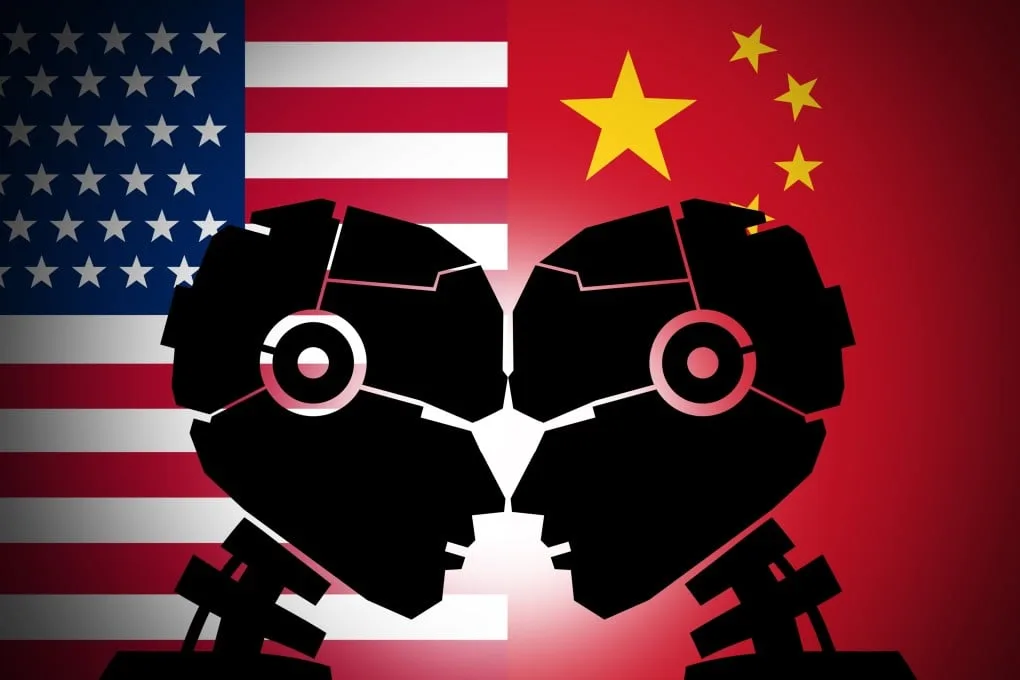
The backdrop to these developments is a fierce technological rivalry between China and the U.S. over AI dominance. This competition includes contested access to advanced chips and investment restrictions, reflecting broader national leadership differences. Analysts characterize China’s leadership as quietly disciplined compared with the U.S.’s louder and more charismatic style [3, 1].
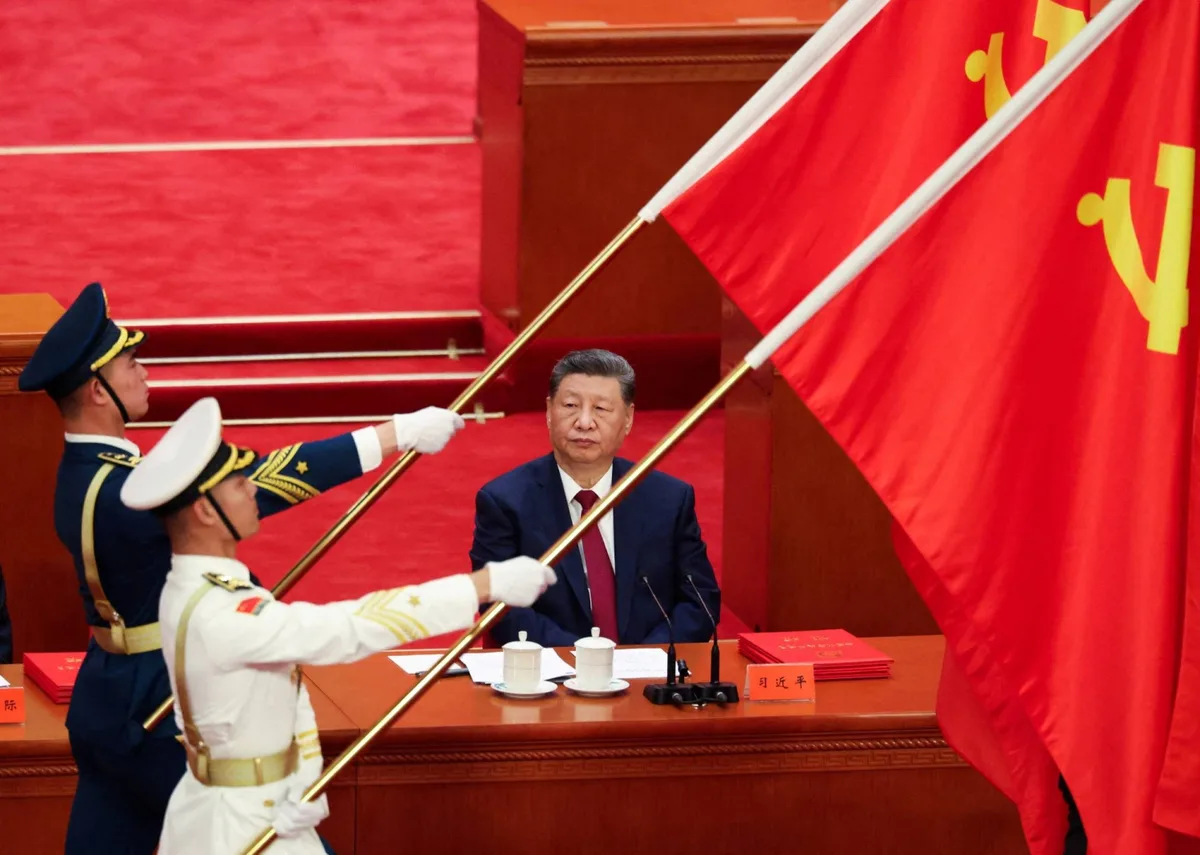
Chinese President Xi Jinping is scheduled to speak on July 17 at the World AI Conference in Shanghai. His speech is expected to emphasize China’s growing role in AI and global technology governance [2].