Alibaba unveiled its Qwen3.8-Max AI model on August 3, 2026, featuring 2.4 trillion parameters, making it the largest and most advanced in its Qwen series so far [1, 2, 3, 4, 5]. The model supports multimodal inputs including text, images, videos, long documents, television series, and livestreams, enabling users to create searchable knowledge bases from diverse data types [1, 2, 4, 5].
Qwen3.8-Max can process up to 1 million tokens in a single context window, allowing it to handle thousands of pages of information or extensive codebases [1, 2, 6, 4, 5]. It is based on a sparse mixture-of-experts architecture. This activates roughly 95 billion parameters per inference, reducing computing costs while maintaining strong performance [6, 4, 5].
Alibaba showcased the model's ability to autonomously code for long durations with minimal human input during a 16-day internal test focused on building AI coding tools [1, 2, 3, 4, 5]. The AI also performs practical tasks like reviewing legal documents, financial research, architectural 3D modeling, video editing, educational animation generation, software recreation from screenshots, converting floor plans into 3D visualizations, and interactive game generation [1, 2, 4, 5].
Alibaba positioned Qwen3.8-Max as a competitive model globally, though it ranks slightly below Anthropic’s Fable 5 in overall AI leaderboards, placing fifth in text tasks, second in vision, and fourth for coding-focused benchmarks [2, 4, 5]. Chinese startup Moonshot AI released a larger 2.8 trillion parameter model, Kimi K3, in July 2026 [2, 3, 4, 5]. Despite Kimi's larger parameter count, experts note that bigger models do not always mean better performance [2, 3, 5].
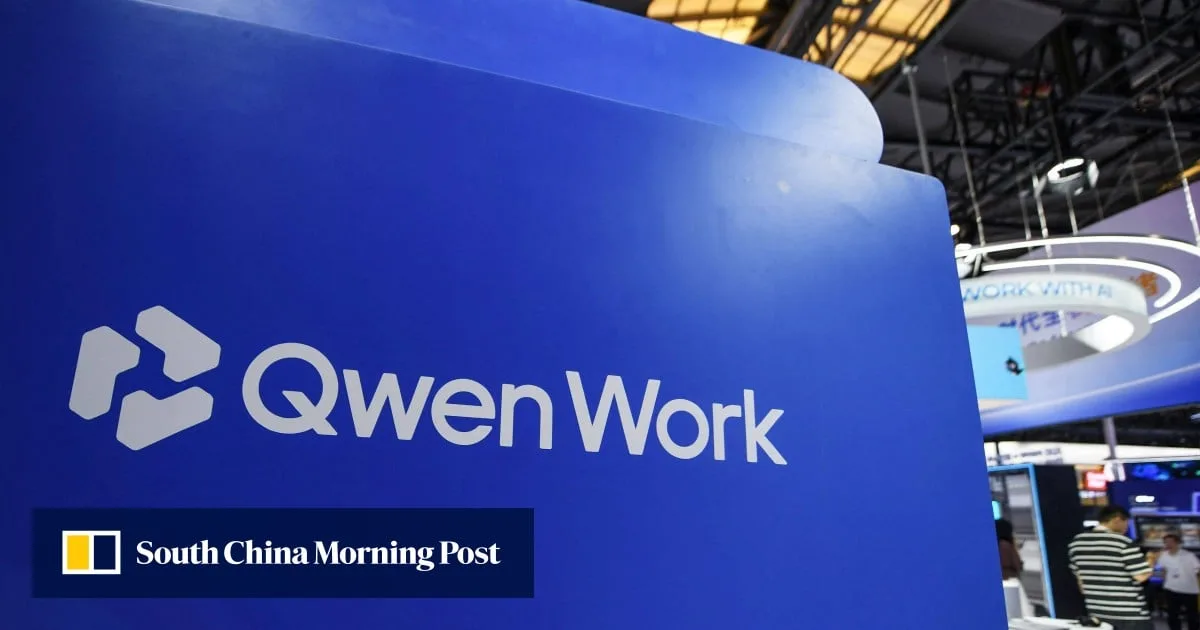
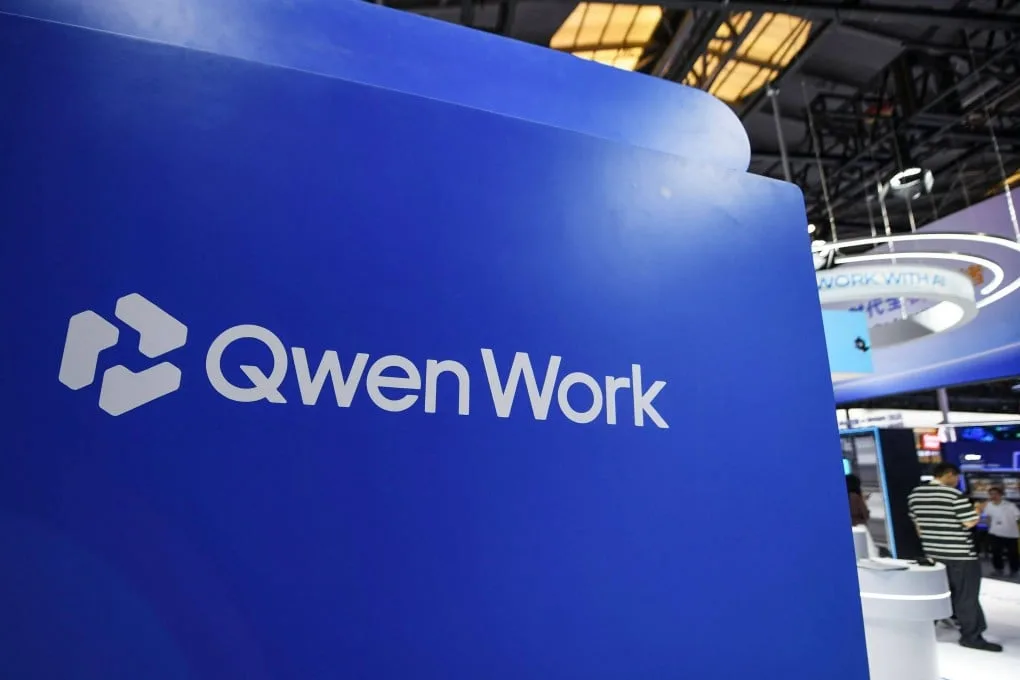
Unlike closed-source US models from OpenAI and Anthropic, Alibaba and Moonshot offer fully open-weight AI models. Alibaba plans to release Qwen3.8-Max’s open weights to developers next week following the announcement, making the model widely accessible for customization and deployment [1, 6, 4, 5]. The model is available internationally through Alibaba Cloud's Model Studio API and the QwenWork AI platform [4].
The announcement triggered a positive market reaction. Alibaba’s shares rose 4.5% in New York premarket trading and 7% on the Hong Kong exchange on August 3, 2026 [2, 3]. Some analysts expressed skepticism about the immediate availability of open weights, with independent consultant Jeff Brokaw calling it "an API business model wearing an open source jacket" given the weights had not yet shipped [6].
U.S. startups including Arcee AI, Reflection AI, and Poolside are actively launching competing open-weight AI models in response to Chinese offerings, aiming to provide US-based alternatives amid geopolitical challenges [7]. Arcee AI co-founder Mark McQuade said the trend toward open-weight models is inevitable and beneficial to the industry [7].
Alibaba’s next step is the scheduled release of Qwen3.8-Max’s open weights to developers next week, enabling broader access and independent model modifications.