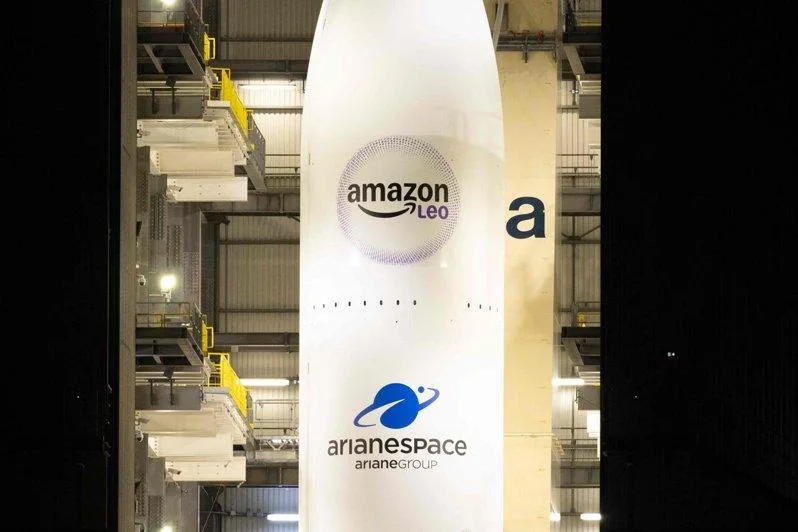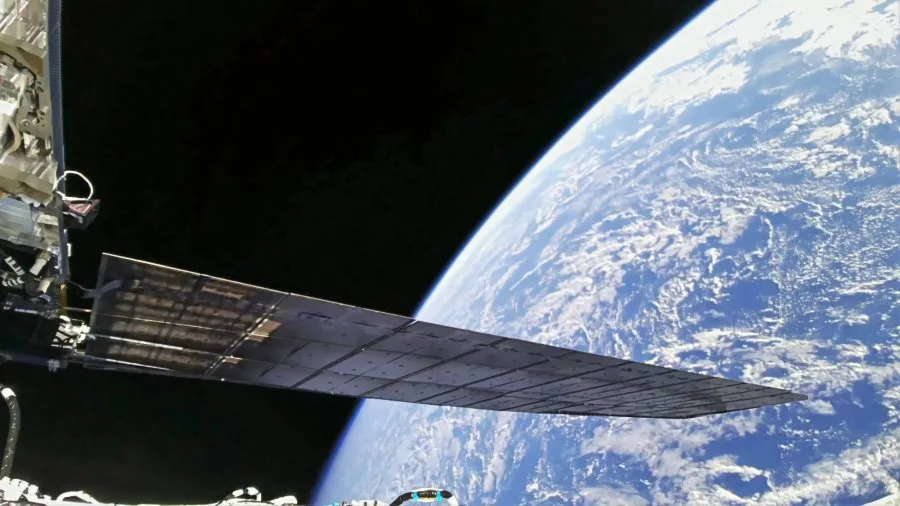
Amazon has deployed more than 390 satellites for its Leo low Earth orbit network as of early August 2026, reaching a milestone that company officials say is sufficient to provide continuous coverage in specific latitude regions [1, 2, 3]. Chris Weber, Amazon Leo Business and Product VP, said the current satellite count "is enough to support continuous network coverage in initial latitude areas," adding the company has completed enough launches this year to start initial service [1, 2, 3].
Amazon aims to deploy about 7,700 satellites in total for the Leo constellation to expand global coverage and capacity [1, 2]. The program has faced delays due to limited rocket launch capacity and supplier setbacks. Notably, Blue Origin's New Glenn rocket exploded during a static fire test in May 2026, disrupting scheduled launches for Leo satellites [1, 2].
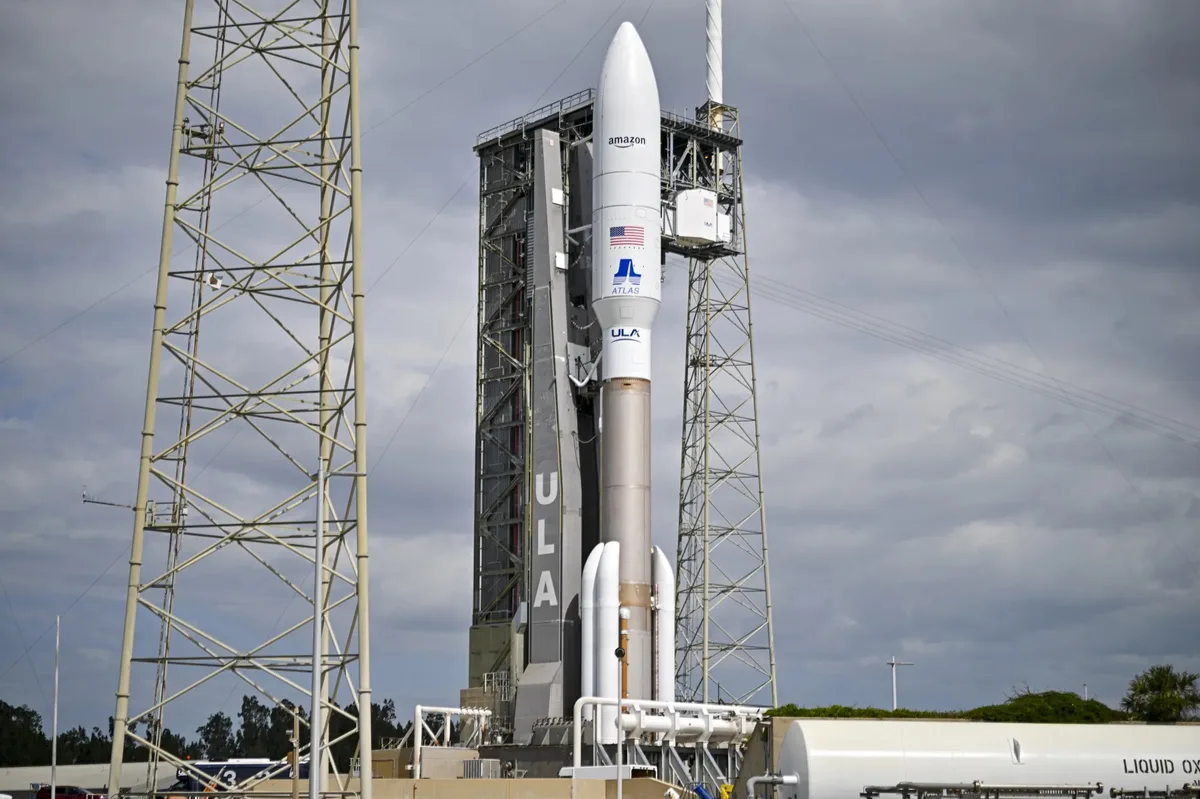
To accelerate deployments, Amazon is shifting to use United Launch Alliance's heavy-lift rockets, including the Atlas V and the upcoming Vulcan rocket [1, 3]. On August 2, 2026, a ULA Atlas V rocket launched 29 Leo satellites from Cape Canaveral, Florida, pushing the total deployed above 390 [1, 3].
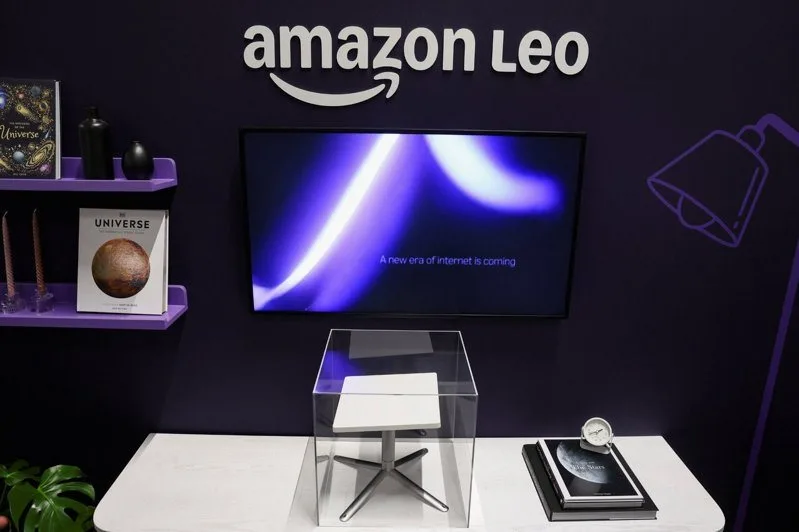
Amazon launched a limited enterprise preview of its Leo network in November 2025, but commercial service is not yet open to general consumers or governments [1, 2]. In comparison, SpaceX's Starlink leads the market with around 10,000 satellites and over 10 million users, having started about four years before Amazon's Leo [1, 2].
Amazon's plan to begin initial Leo service later in 2026 depends on completing further satellite deployments and expanding coverage. The next key step will be monitoring how upcoming launches via ULA's rockets progress around the remainder of the year.