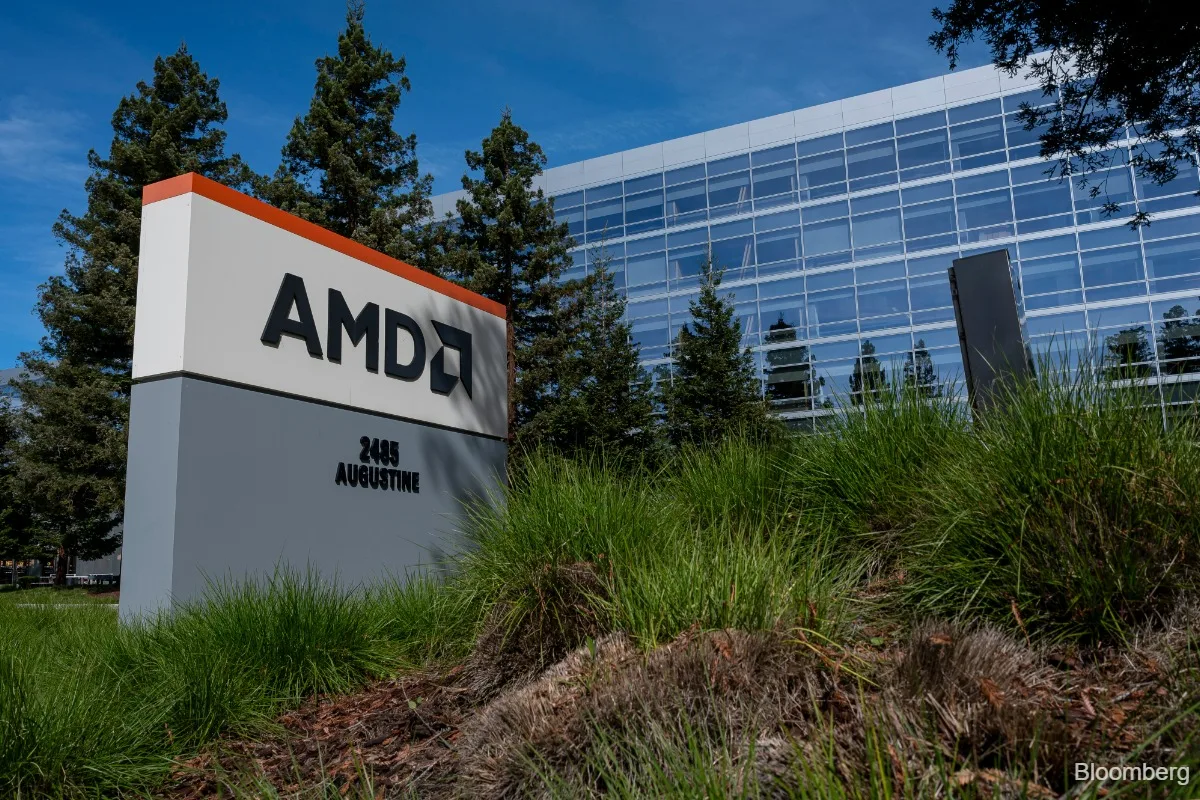
AMD revealed on May 21 that it plans to invest over $10 billion in Taiwan to expand semiconductor packaging and manufacturing capacity focused on next-generation AI infrastructure [1, 2, 3, 4]. The investment aims to deepen strategic partnerships with Taiwanese firms including ASE Technology Holding Co, Powertech Technology Inc, Sanmina Corp, Inventec Corp, SPIL, Wiwynn, and Wistron [1, 2, 3, 4].
Taiwan remains a vital hub in the global semiconductor supply chain, anchored by Taiwan Semiconductor Manufacturing Company (TSMC), which supplies chips to AMD, Nvidia, Apple, and others [1, 5, 2, 4]. The backing will also support AMD’s development of next-generation 2.5D bridge interconnect packaging technology that improves chip power efficiency and bandwidth for AI computing [3, 4]. This advanced packaging technology enables AMD’s sixth-generation EPYC CPUs, codenamed "Venice," and the Helios rack-scale AI platform deploying in the second half of 2026 [2, 3, 4].
AMD CEO Lisa Su said the investment responds to the rapidly growing demand for AI compute infrastructure. "As AI adoption accelerates, our global customers are rapidly scaling AI infrastructure to meet growing compute demand," Su said [1]. She added that "the overall CPU market has had significantly higher demand than any of us predicted a year ago. I would say the CPU market is tight," citing a constrained global supply outlook through 2027 [5].
The Helios AI server system combines Venice CPUs with Instinct MI450X GPUs, targeting multi-gigawatt scale deployments [3, 4]. AMD maintains a close partnership with China, which represents about 20% of its revenue, while complying with U.S. export controls [5].
The company plans to deploy the Helios AI platform in the second half of 2026 [2, 3, 4].