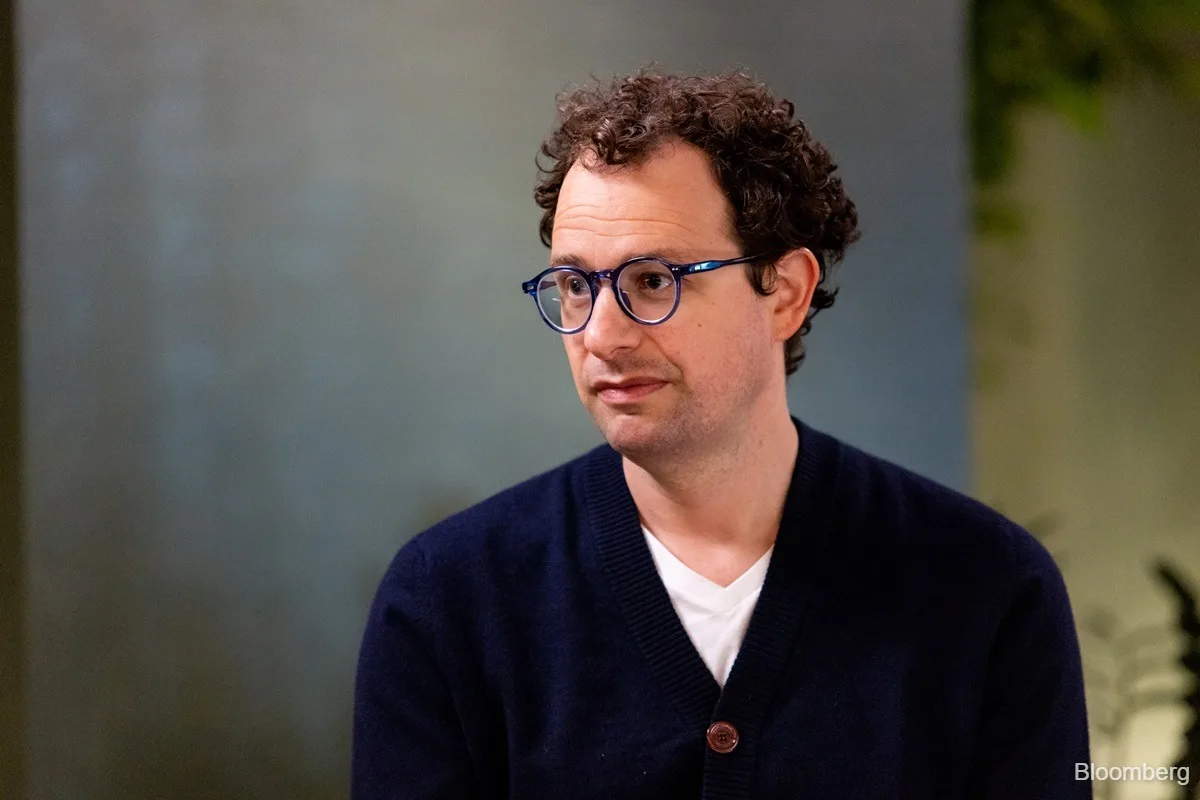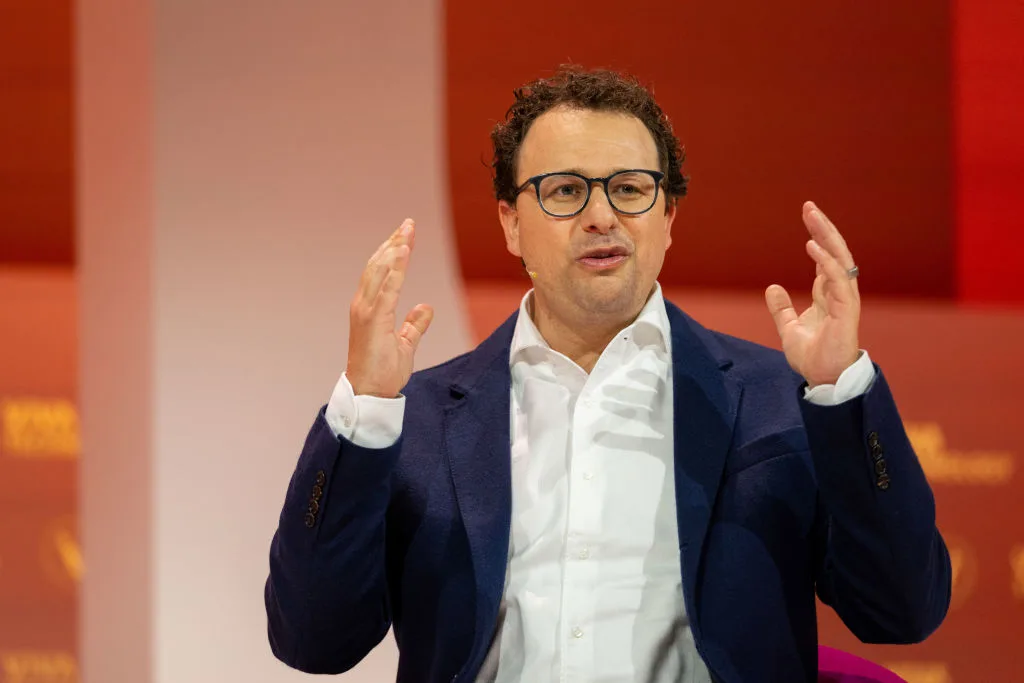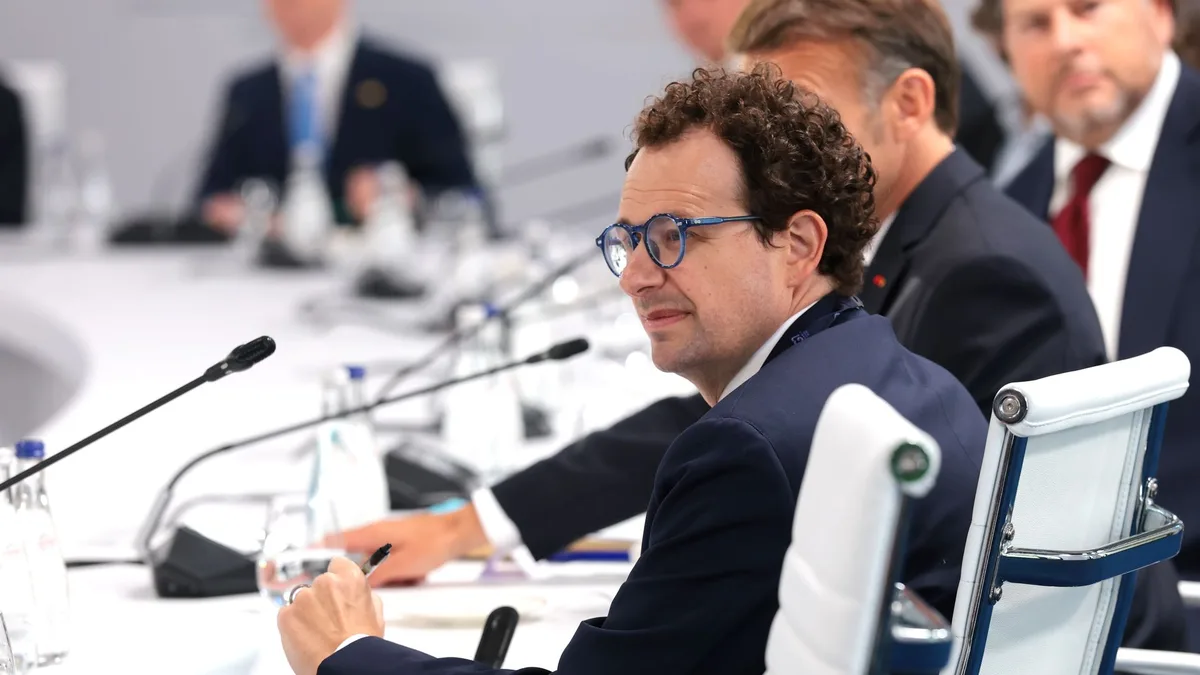
Anthropic CEO Dario Amodei stated clearly that the company has never supported a ban on open-weight AI models. “Let me state it clearly so that there is no doubt: Anthropic has never advocated for a ban on open-weights models,” he said in a recent blog post on July 27, 2026 [1].
Amodei described open-weight models without dangerous capabilities as a public good that offer value to businesses, developers, and researchers due to their accessibility and low operational cost. He said, “Open-weights models that don’t have dangerous capabilities are a public good: they don’t cost anything besides the compute needed to run them, and they provide value to businesses, developers, and researchers” [2].
Despite supporting open-weight models, Amodei called for mandatory safety testing of all AI models with sufficient capabilities before their release, regardless of whether they are open or closed weight [1, 3, 4]. He also advocated tighter export controls on advanced chips and chipmaking equipment to prevent acquisition by authoritarian governments, specifically the Chinese Communist Party [1, 5, 6].
Amodei expressed concern about the practice of “industrial-scale distillation,” where models are trained using outputs from advanced models, supporting efforts to crack down on this method [3, 6]. Anthropic even alleged in a letter to the U.S. Senate that China’s Alibaba performed the largest known distillation attack against their models [6].
The company declined to join a July 27 public letter led by Nvidia and over 50 other tech companies urging policymakers not to impose broad restrictions on open-weight AI models [2, 4]. Amodei disputed claims in the letter that open-weight models inherently increase AI safety or benefit defenders over attackers, saying, “I don't agree with the letter's assertions that open-weights models necessarily make it easier to develop safeguards or that broad access to capabilities necessarily helps defenders more than attackers” [7].
His chief national security worry is that authoritarian states might develop AI capabilities surpassing the U.S. for military or repression purposes, whether those models are open or closed [5, 2]. Amodei also fears AI-enabled cyberattacks and biological threats that are harder to control with open models due to difficulties in applying guardrails and monitoring usage [1, 7].
Some industry observers have accused Anthropic of resisting open-weight coalitions to protect their closed-model business interests and hinder Chinese competition; Amodei denies this [1, 3].
On July 28, Amodei and Nvidia CEO Jensen Huang engaged in a public debate on AI policy amid Chinese AI advances [1]. Nvidia leads the Open Secure AI Alliance with more than 35 founding members focused on safe and accessible AI development [4].
The next key step includes ongoing policy discussions in Washington on regulating AI safety testing and export controls, influenced by positions from leaders like Amodei and Nvidia.