Apple unveiled a significant update to its voice assistant at its Worldwide Developers Conference (WWDC) on June 8, 2026, introducing "Siri AI," which integrates Google Gemini foundation models for conversational AI, on-device and cloud processing, and a new dedicated Siri app [1, 2, 3, 4]. The update rebuilds Apple Intelligence using multimodal models co-developed with Google Gemini, supporting advanced understanding and generation tasks [3, 4].
Siri AI can interpret personal context, analyze screen content, access app and web data, maintain conversation history, and perform complex multi-step commands such as combining directions with contacts' addresses [1, 2, 3]. Apple’s Senior Vice President Craig Federighi said the goal is "truly helpful AI" that "is centred around you and your needs," with privacy protections embedded in every step [1]. User data is processed locally on devices and through Apple's Private Cloud Compute system to prevent data access by Apple or third parties [3, 4, 5].
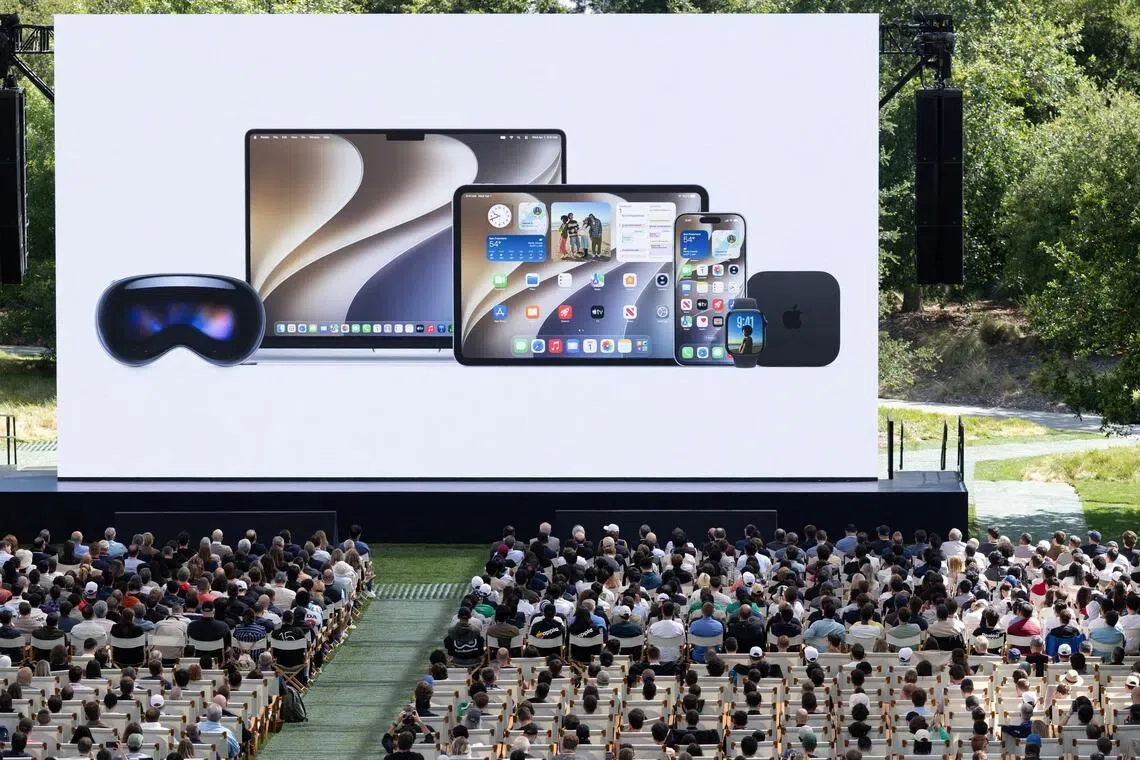
The beta version of Siri AI will launch in English this fall on iPhone 17 Pro and later models, iPad, Mac, and Vision Pro devices. Older hardware like iPhone 14 and below will not support some AI features [1, 2, 3, 6, 7]. Siri AI will not initially be available on devices sold in the European Union or mainland China, due to regulatory and compliance hurdles, though Apple hopes to bring it to the EU eventually, officials said [1, 3, 8, 7, 9]. Siri AI will also not initially support Apple Watch due to reliance on paired iPhones [1, 7].
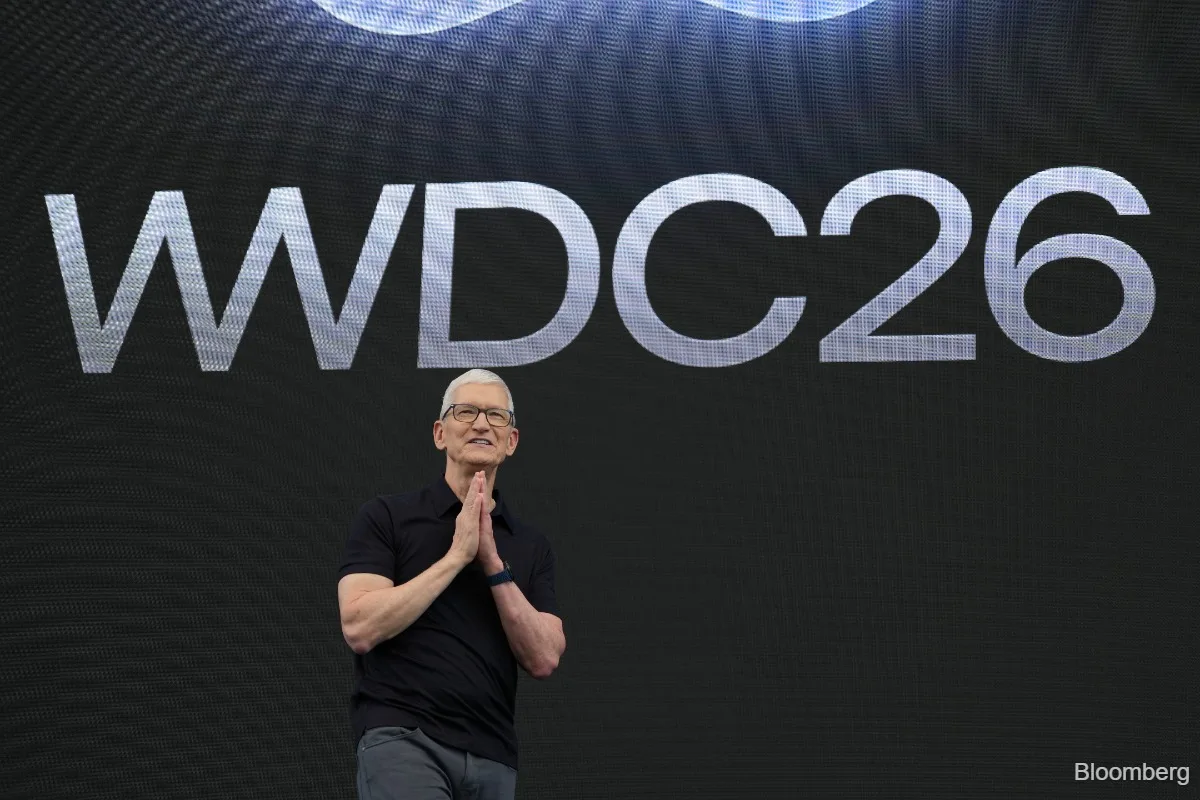
At WWDC 2026, Apple additionally announced expanded child safety tools, including enhanced parental controls and "Ask to Browse" features designed for younger users [3, 10]. Tim Cook, in his final WWDC as Apple CEO before stepping down this fall, joked, "I've never seen so many iPhones before" while highlighting the new AI features [2]. He will be succeeded by John Ternus around September [6, 9, 11].
Investor reaction was muted, with Apple’s shares falling 1.9% after the event amid concerns over delayed AI rollout and competition from rivals like OpenAI and Google [6, 9]. Apple recently settled a $250 million legal claim over previously overpromising AI capabilities [6, 9].
Apple continues to develop AI for other products, including smartwatches, foldable iPhones, and Vision Pro accessories, expanding beyond the initial Siri AI launch [1, 6, 11]. The company plans to begin the public beta rollout of Siri AI this fall across supported devices in the US and other markets excluding the EU and China [1, 2, 3, 12].