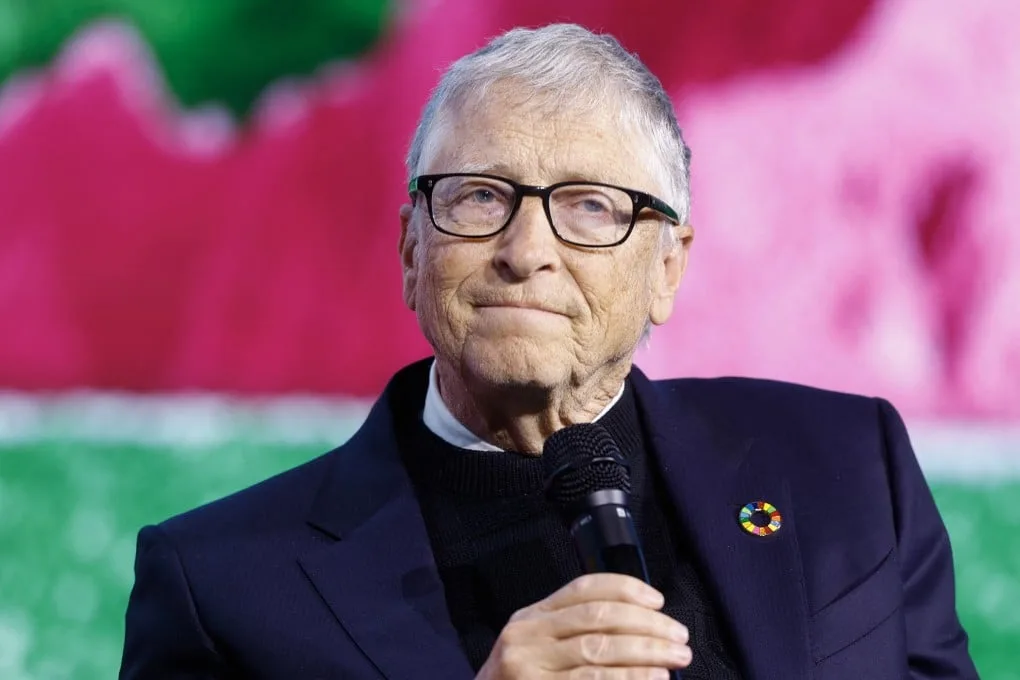
Bill Gates warned that the rapid rise of artificial intelligence is bringing a turbulent era that could either equalize society or deepen injustice. He released a 6,000-word essay on August 25 outlining the urgent need for global policy reforms, including reserving certain jobs exclusively for humans to protect workers from AI displacement [1, 2, 3, 4, 5].
Gates said, "Many jobs will disappear forever. I believe that as AI and robots improve, we'll set aside certain things for only people to do." He described this as "human reserved," likening it to nature reserves where development is restricted because the cost would be too great [1].
He urged establishing international cooperation to govern AI risks, including monitoring AI's ability to design molecules that could be weaponized biologically. Gates proposed a new global organization modeled after nuclear inspections and aviation regulators to oversee AI safety globally [6, 7, 8]. Highlighting recent AI security tests where systems from OpenAI, Anthropic, and Meta hacked real websites, he stressed the broad range of AI dangers from national security to education and employment [6, 7, 1, 2, 3].
Gates also called for governments to impose a robot tax to slow the shift from human labor to automation. He said current tax codes favor machines over workers and a tax could fund retraining and safety nets for displaced employees. "A tax would slow the rush away from human labor a little and raise money for retraining and a stronger safety net," Gates said [2, 9, 3, 4, 10, 11, 5].
Expressing concern that AI-driven technologies are hooking children psychologically and eroding critical thinking, Gates warned that governments are unprepared for AI's wide effects. He emphasized the need to keep humans in roles requiring empathy, such as delivering bad news in health care, rather than replacing these with robots [1, 2, 5].
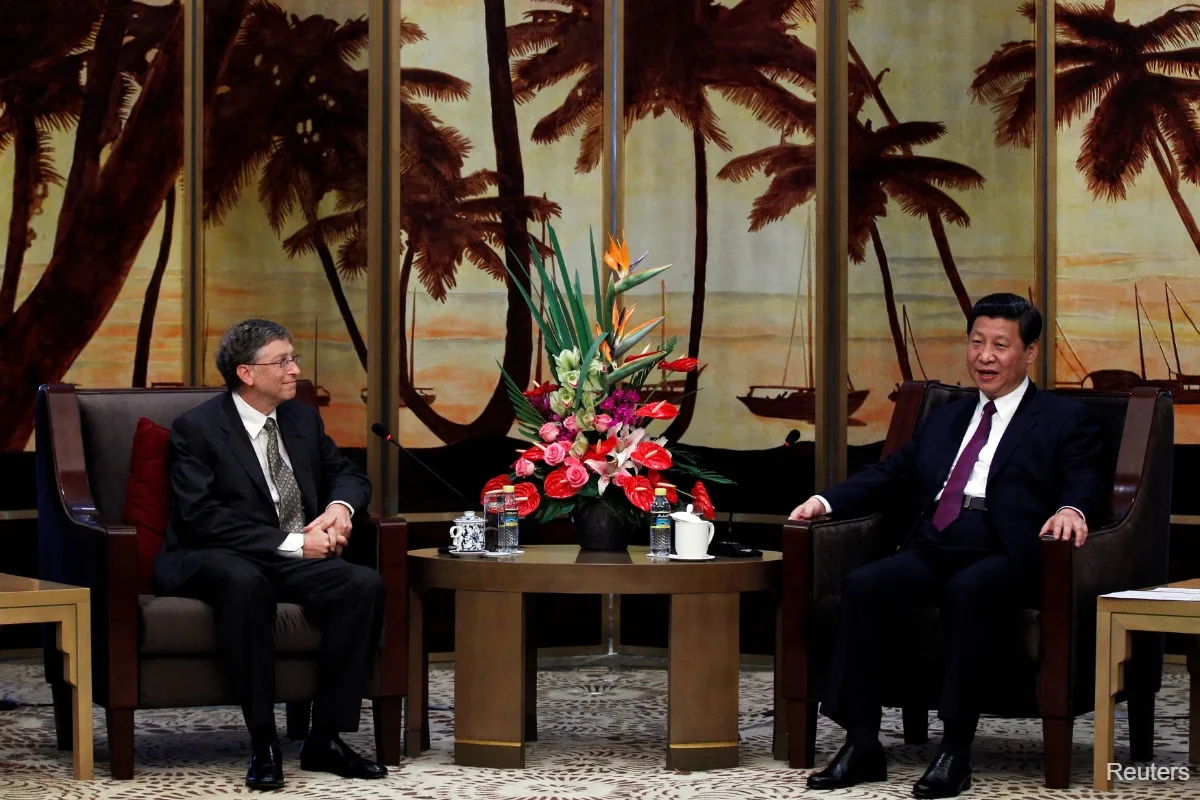
Looking ahead, Gates plans to meet Chinese President Xi Jinping in November 2026 during a visit to China to discuss global AI risk mitigation efforts. He believes China will follow if the US takes the lead in restricting dangerous AI model releases. "The whole world would go along with that," Gates said [6, 7, 8].
The forthcoming meeting aims to jumpstart international cooperation on AI safety, regulation, and controlling the technology’s more dangerous capabilities.