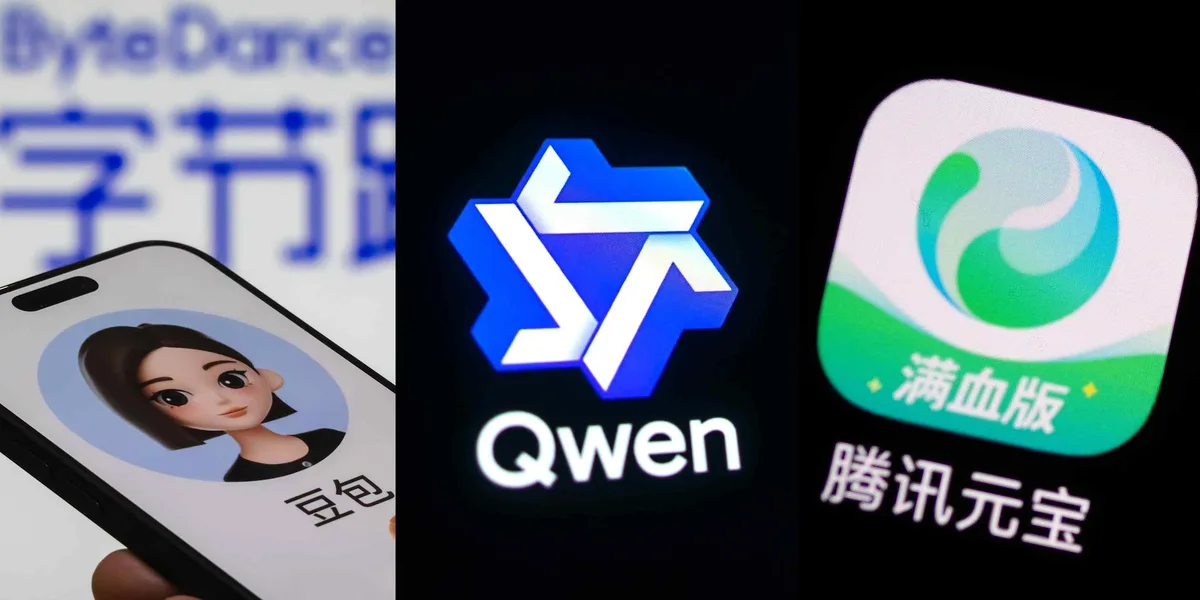
ByteDance announced it will shut down the customizable AI persona feature on its Doubao platform by July 15, 2026, complying with upcoming Chinese regulations [1, 2, 3, 4]. Alibaba's Qwen AI platform also issued a notice to disable similar AI companion persona features in response to the new rules [1, 2, 3, 4]. Tencent’s Yuanbao and other major Chinese AI platforms are following suit, removing AI persona functionalities to meet regulatory requirements [1, 2, 3, 5, 4].
The new regulations, set to take effect in mid-July 2026, are imposed by the Cyberspace Administration of China [1, 2, 3, 4]. They aim to prevent AI chatbots from causing extreme emotional effects or unhealthy emotional dependencies, especially among minors [1, 2, 3, 4]. The rules prohibit platforms from generating content that triggers intense emotional reactions or dependencies that could erode real-life relationships [1, 2, 3, 4]. Providers are also banned from using sensitive user conversation data to train future AI models [1, 2, 3, 4].
Chinese AI chatbot platforms have allowed wide-ranging customizations, including virtual boyfriends or girlfriends, unlicensed digital therapists, and simulated pop idol clones, raising concerns over emotional risks [1, 4]. Beyond chatbots, China is expanding regulation and ethical safeguards to include physical companion robots, with robotics industry groups pushing for compliance [1, 2, 3, 5, 4].
Similar issues are under scrutiny internationally. In the United States, companies like OpenAI and Alphabet-backed Character.AI face lawsuits alleging their hyper-realistic chatbots caused emotional dependency and even user suicides in extreme cases [1, 2, 3, 4].
The most immediate step is ByteDance’s Doubao disabling its AI persona customization feature on July 15, 2026, marking the start of enforcement of these regulations [1, 2, 3, 4].