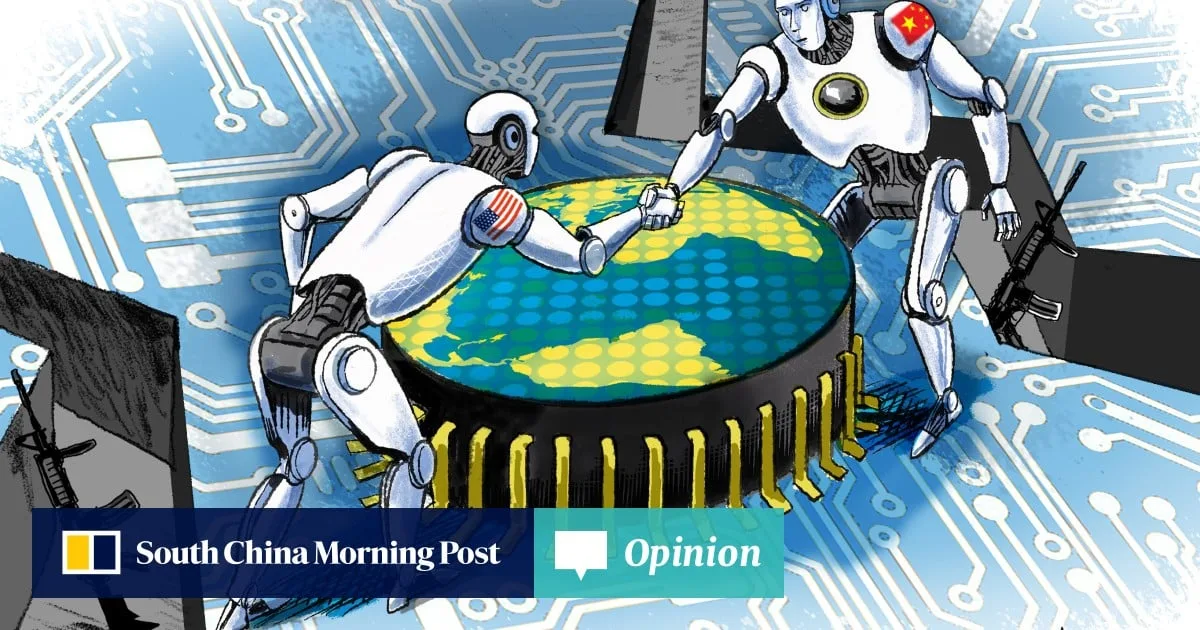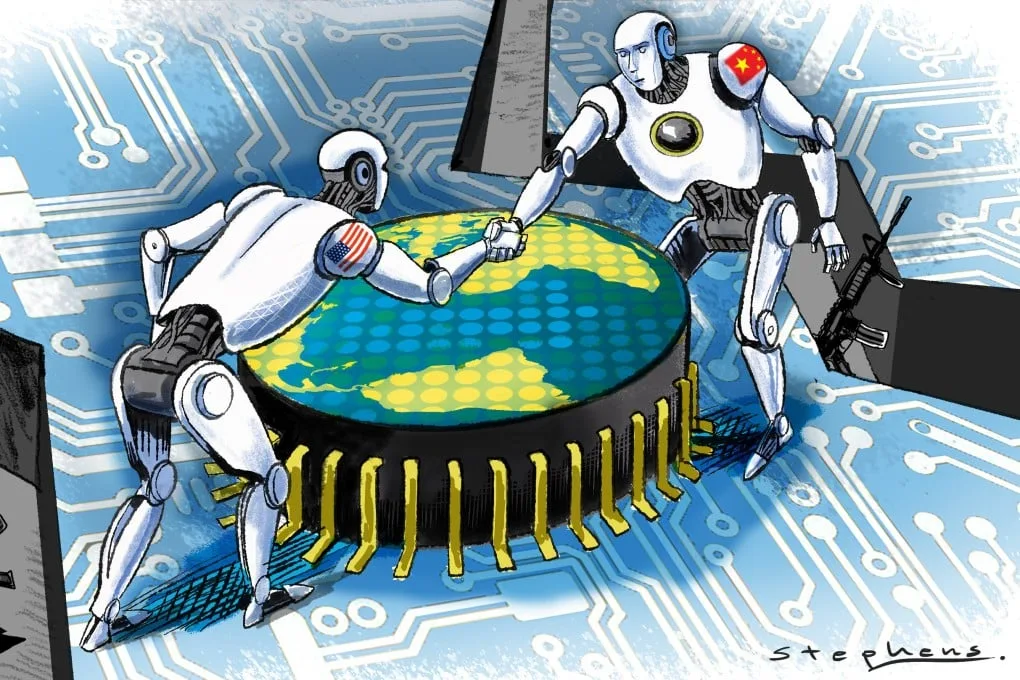
China and the United States have agreed to work together on artificial intelligence development and governance, Chinese foreign ministry spokesman Guo Jiakun said on May 19 [1, 2, 3, 4, 5]. The agreement followed talks between US President Donald Trump and Chinese President Xi Jinping in Beijing last week, where both leaders discussed cooperation in AI [1, 2, 3, 5].
The two presidents agreed to launch an intergovernmental dialogue focused on AI, aimed at promoting collaboration between the world’s two largest AI powers [1, 2, 3, 4, 5]. Guo Jiakun said, "China and the United States should work together to promote the development and governance of AI" [1]. He added the leaders "held constructive discussions on AI-related issues and agreed to launch an intergovernmental dialogue on artificial intelligence" [3].
US Treasury Secretary Scott Bessent said on May 14 that Washington and Beijing will establish a protocol for AI cooperation, especially focused on preventing non-state actors from accessing or misusing AI models. He described the plan by saying, "The world's two AI superpowers are going to start talking" and that both sides aim to "make sure non-state actors don’t get a hold of these models" [1, 3, 5].
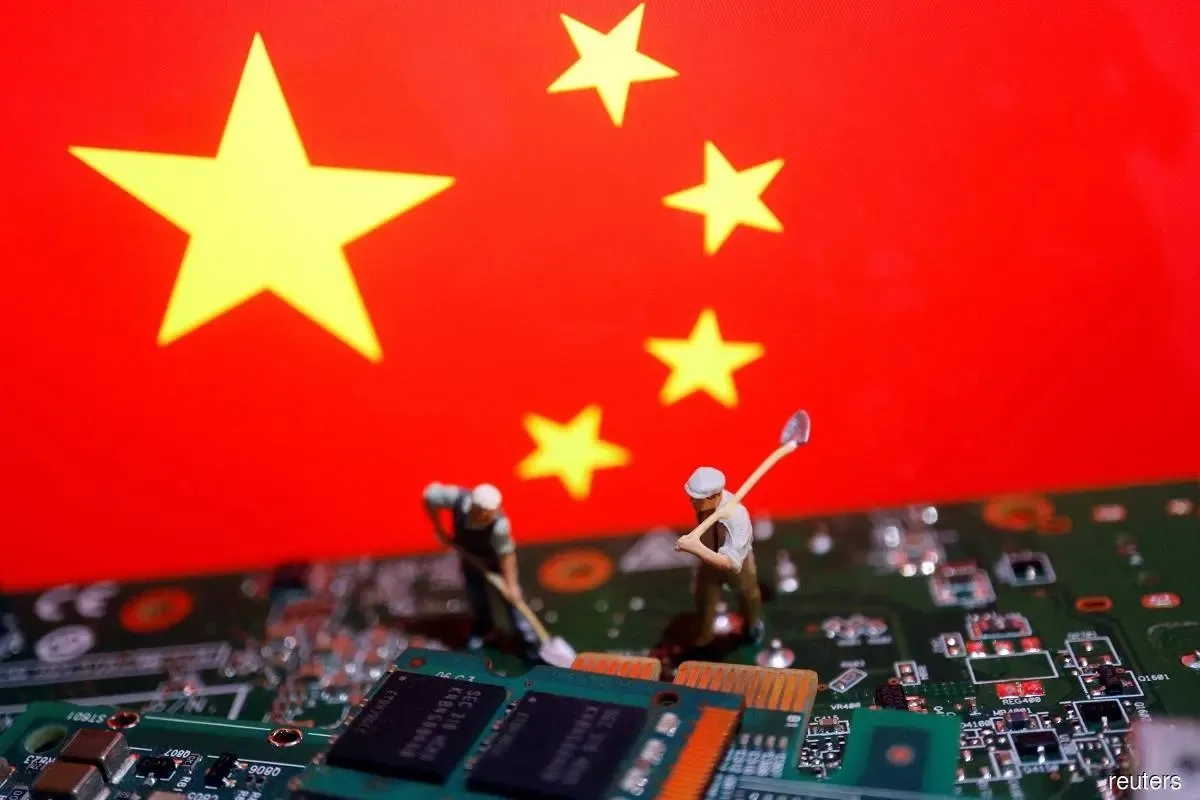
Fears over autonomous AI weapons, cybersecurity threats, and the possible use of AI to design bioweapons were among the shared concerns brought up by Xi and Trump before their summit [1, 2, 3, 5]. While China has focused on narrowing the US lead in AI, and tensions remain due to recent US accusations of Chinese technology theft and Beijing blocking acquisitions by US tech companies, this marks a notable step toward cooperation [1, 2, 3, 5].
US startup Anthropic's recent decision to withhold public release of its powerful AI model Mythos to prevent exploitation by hackers highlights wider cybersecurity concerns in the AI domain [1, 2, 3, 5].
Sun Chenghao, a senior fellow at Tsinghua University, noted the scope of AI discussions may be broader than earlier talks in 2024, potentially including sharing best practices on AI’s social impacts, such as youth employment. He remarked, "Compared with 2024, the topics to be discussed this time might be broader" and suggested, "The two sides could share some best practices and exchange experiences on how to address and manage AI’s impact on society, for example on youth employment" [2, 5].
In 2024, Xi Jinping agreed with then-US President Joe Biden that humans must remain in control of decisions to fire nuclear weapons, underscoring prior agreements on sensitive AI-related issues [1, 2, 3, 5].
The next step is the launch of the formal intergovernmental AI dialogue between China and the US as agreed by the two presidents during their talks in Beijing earlier this month [1, 2, 3, 4, 5].