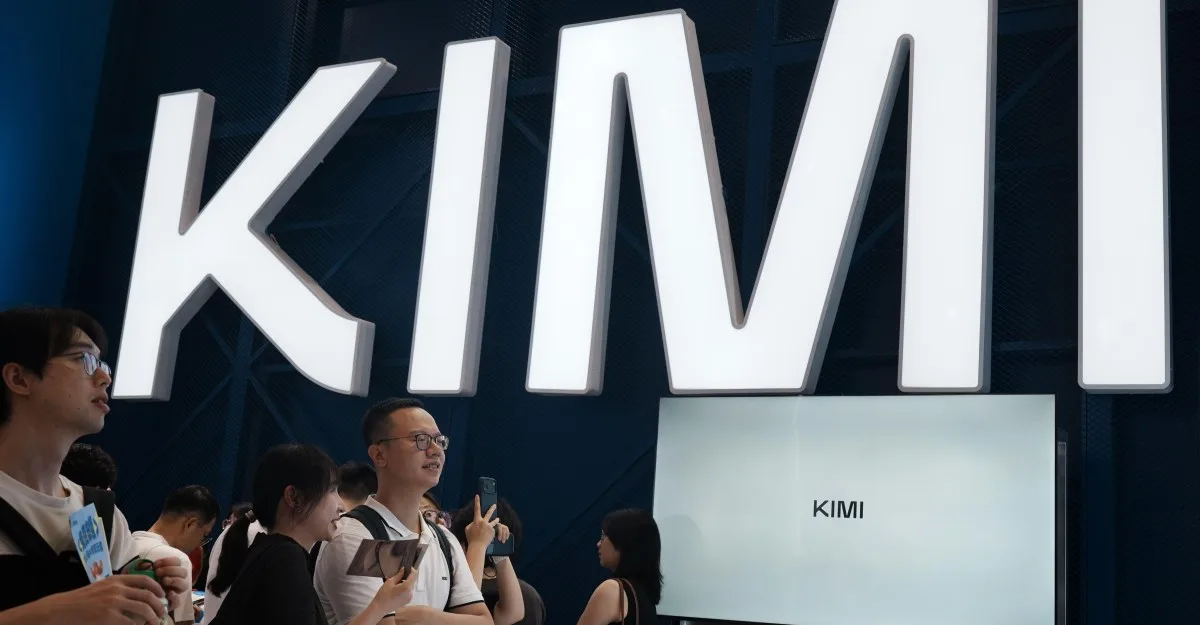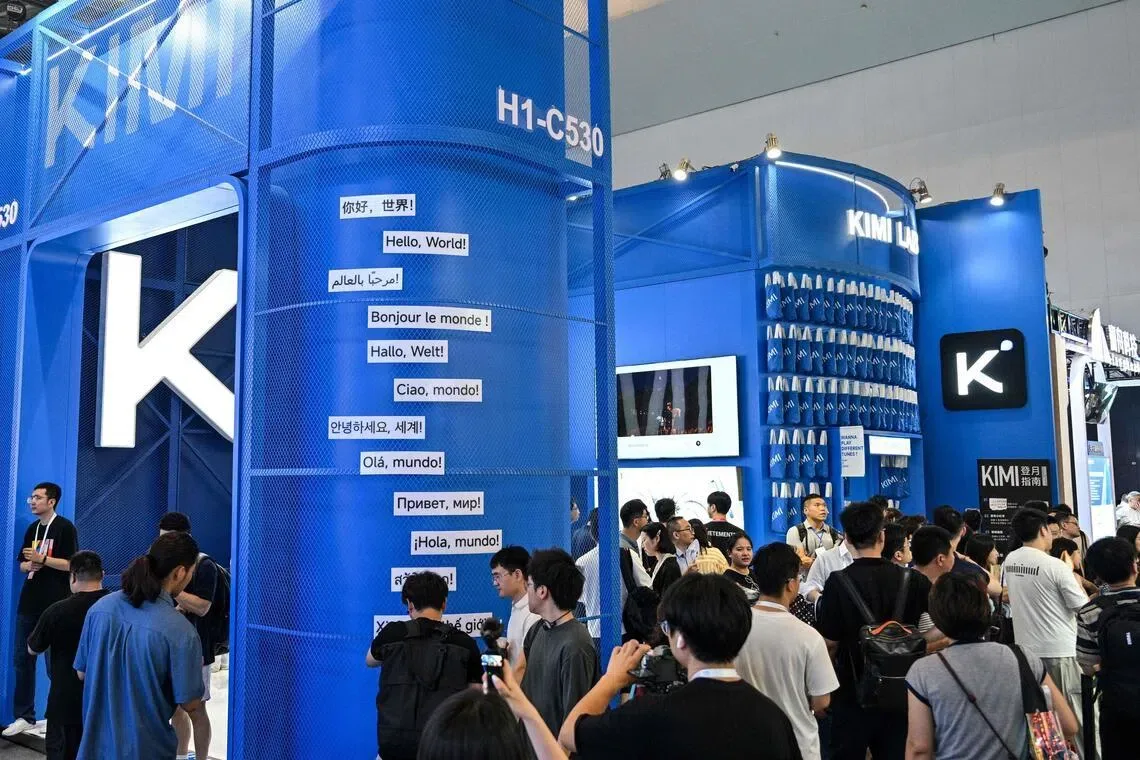
China has significantly closed the AI model performance gap with the United States, shrinking it from several years to just a few months, according to multiple sources [1, 2, 3, 4, 5]. Chinese firms have achieved this by focusing on open-weight, open-source AI models that offer competitive performance at a fraction of the computing resources and cost of US counterparts [1, 2, 3, 4, 6, 7, 5]. Notable examples include Moonshot AI’s Kimi K3, Alibaba’s Qwen, DeepSeek, and Xiaomi’s MiMo [1, 2, 3, 4, 6, 7, 5].
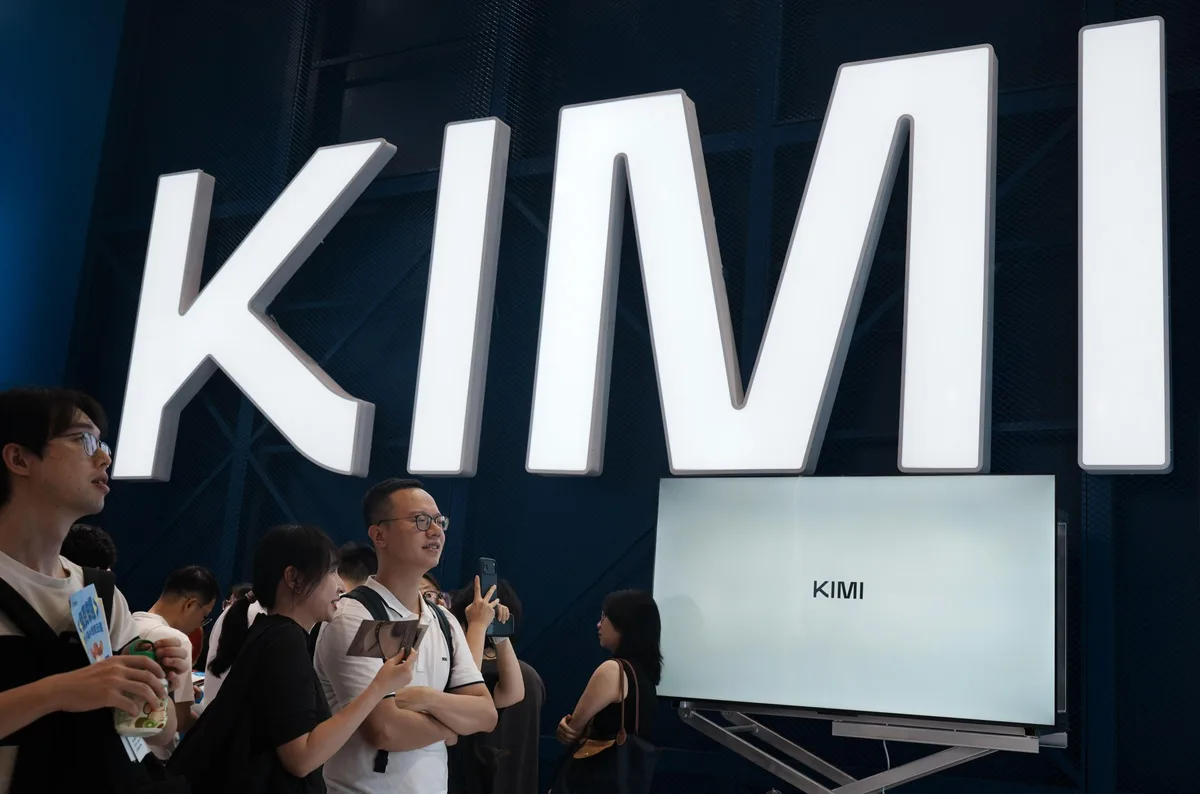
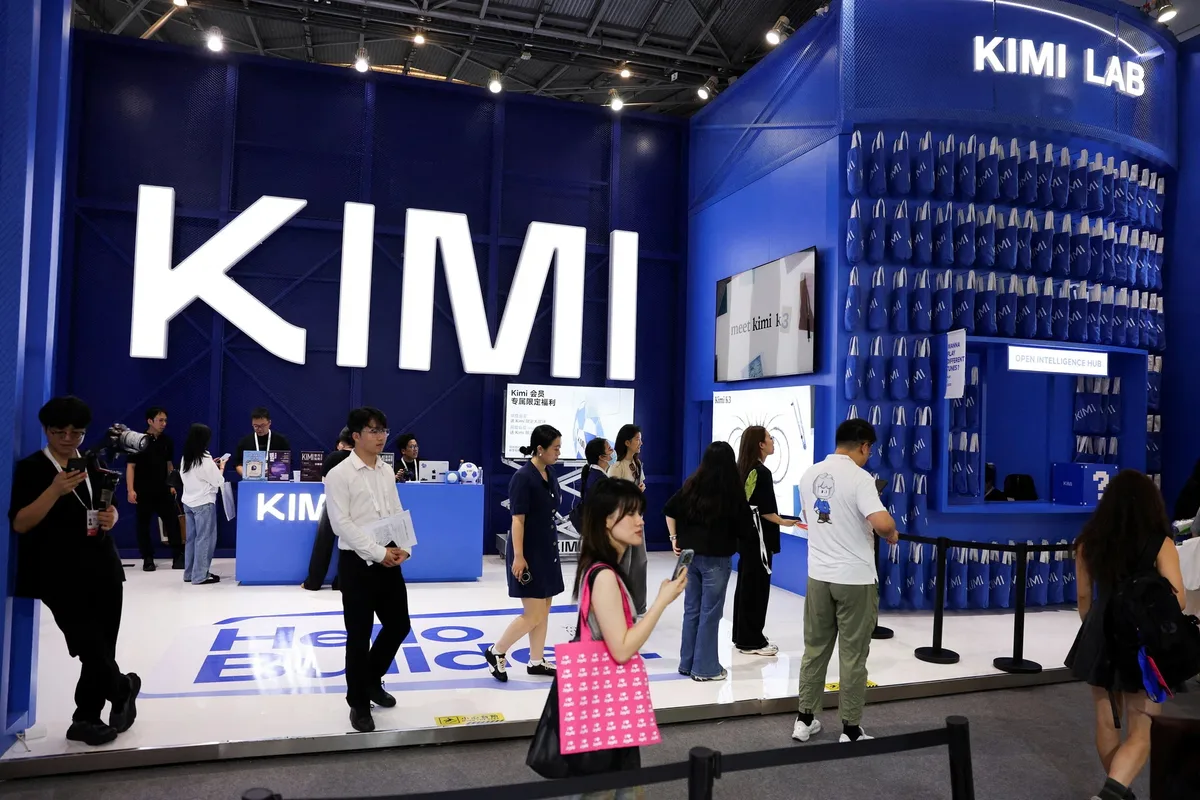
Moonshot AI’s Kimi K3 model, unveiled in July 2026, rivals or surpasses Anthropic’s Claude Fable 5 on key benchmarks while using far less compute power and cost [3, 4, 7, 5]. Alvin W. Graylin, a technology specialist, said the Kimi K3 "commoditizes frontier models," noting that for 98% of customers the 1 to 2 percent performance difference isn’t worth paying 10 to 20 times more [3]. Experts attribute Chinese AI advances to talent, infrastructure, and significant investment rather than primarily to distillation, a controversial training method that US firms accuse China of using extensively to harvest intellectual property [5]. The US claims Chinese AI progress involves illicit distillation from US models; Beijing denies the accusations, calling US threats technological bullying [3, 4, 5, 8].
Chinese AI models have seen rapid deployment across Chinese enterprises, government services, and consumer devices, benefiting from lower public fear of AI than in the US [2, 3, 5]. Their cost advantage is striking, with Chinese models priced at about one-tenth to one-twentieth the price of comparable US models [5]. This affordability partly explains why Chinese users often accept minor performance gaps rather than pay a heavy premium [3, 4, 5].
In the US, Silicon Valley is sharply divided over whether to restrict Chinese open-weight AI models. Companies like OpenAI and Anthropic favor regulatory controls, citing IP risks, while Microsoft, Nvidia, and many startups advocate for openness, emphasizing transparency, customization, and cost benefits of open-weight models [9, 6, 8]. Nvidia and Microsoft CEOs publicly supported open-source AI models during debates in late July 2026 [6]. Meanwhile, there are intense policy discussions in Washington on possible sanctions and export controls targeting Chinese AI [1, 3, 4, 6, 8].
Chinese firms Moonshot AI and DeepSeek plan IPOs soon, with Moonshot aiming for a Hong Kong listing by early 2027 [5]. US AI companies including Anthropic and OpenAI, valued near $1 trillion, plan IPOs later in 2026 [5]. Signs of a speculative bubble in the US AI market contrast with China’s strategy of developing competitive models at far lower costs and price points [5].