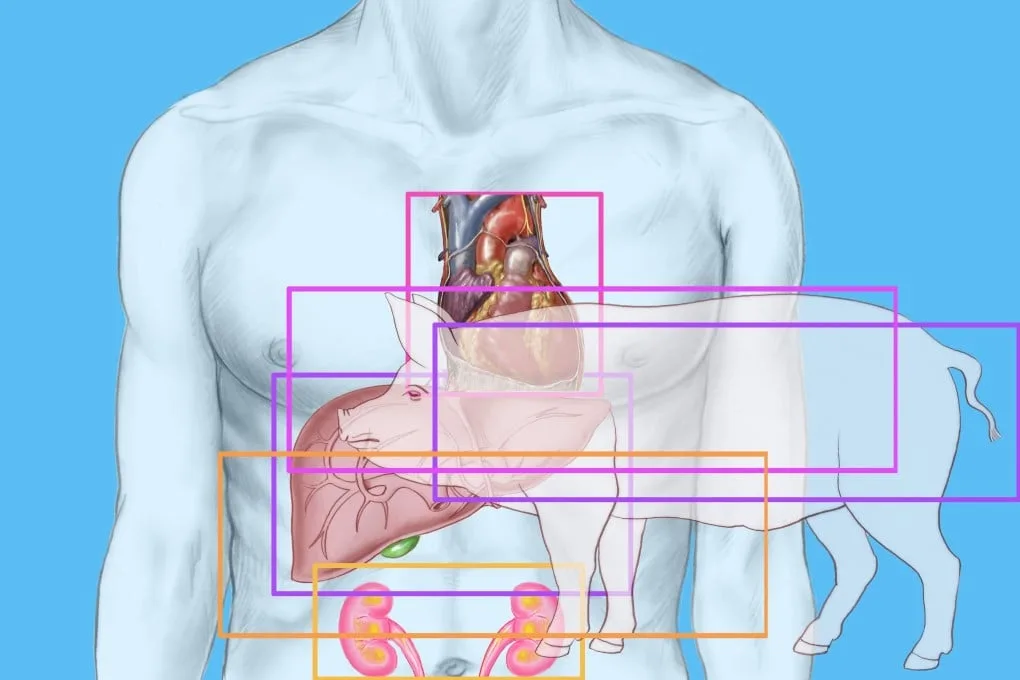
Chinese surgeons at Guangxi Medical University transplanted a gene-edited pig liver and pig kidneys into a 53-year-old brain-dead male patient, achieving the world's first combined multi-organ xenotransplantation [1, 2]. The operation took place at Guangxi Medical University in southern China, with Professor Dou Kefeng leading the surgical team from its affiliated hospital [1, 2]. Sources differ on whether the hospital was the First or Second Affiliated Hospital of Guangxi Medical University [1, 2].
The pig donors underwent multiple genetic modifications to reduce risks of immune rejection and improve their compatibility with human physiology [2]. After transplantation, the pig organs functioned inside the human recipient for nearly five days before the patient's family requested the study's conclusion [1, 2]. During this period, the transplanted liver produced bile, and the kidneys generated urine while maintaining stable blood flow, demonstrating coordinated function of the organs [2].
The research team reported that the study revealed early immune and metabolic markers that could inform future clinical xenotransplantation efforts [1]. They said, "This study provides initial evidence for the feasibility of pig-to-human orthotopic whole liver plus bilateral kidney transplantation" [1]. There is some discrepancy regarding the number of pig kidneys transplanted, with one source confirming transplant of pig kidneys and another specifying two pig kidneys [1, 2].
The team published their findings in the peer-reviewed journal Med on May 29, 2026 [1]. The operation itself occurred before June 9, 2026, according to available data [2]. This milestone represents the first time multiple genetically engineered pig organs have been successfully transplanted and functioned simultaneously in a human body.
The research group aims to use these results to guide future clinical trials and improve xenotransplantation protocols. Further studies are expected to analyze the immune responses and long-term viability of pig organ transplants in human patients.