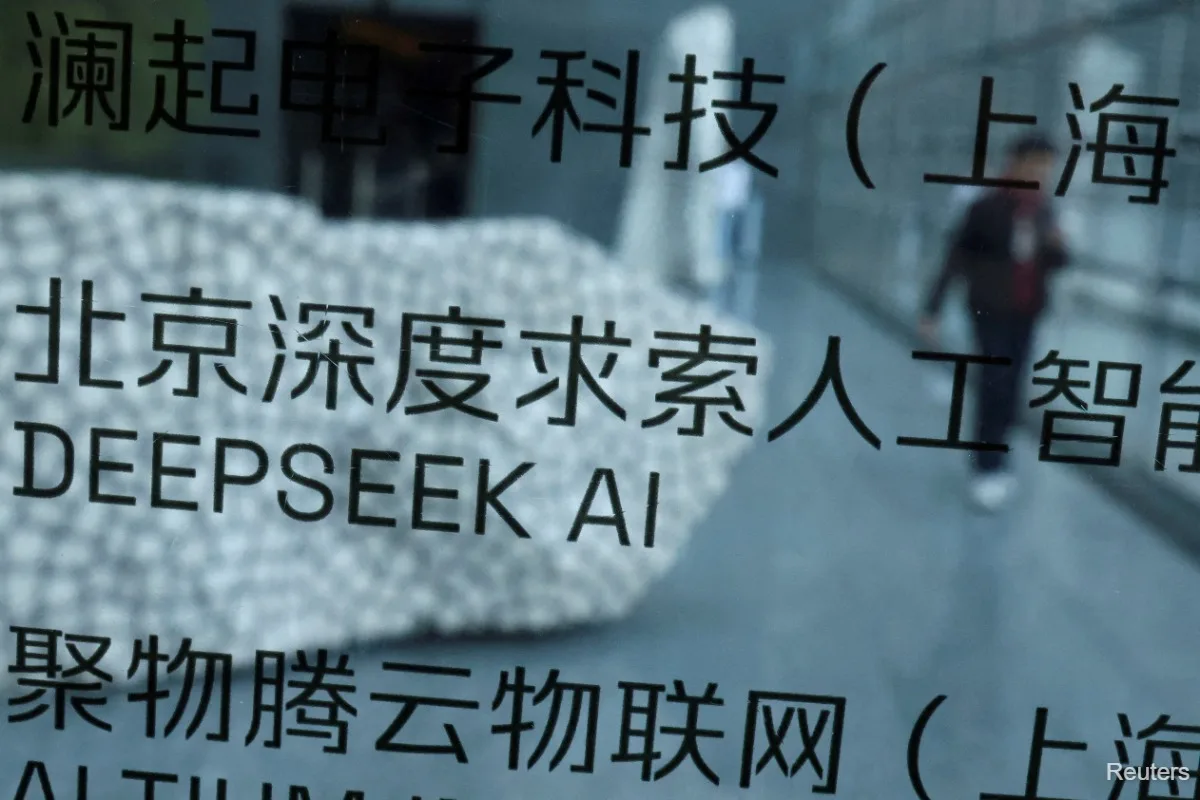
Chinese authorities held meetings over the past month with leading tech companies including Alibaba, ByteDance, and Z.ai to discuss restricting overseas access to China’s most advanced AI models, including future unreleased versions [1, 2, 3, 4, 5, 6, 7]. The discussions were led by the Ministry of Commerce alongside the National Development and Reform Commission and focused on export limits, stricter penalties for AI technology theft under the national security law, and controls on funding sources for domestic AI startups [1, 2, 3, 4, 5, 6, 7].
China considers advanced AI technology a critical national asset requiring strict regulations, taking a page from US policies designed to protect AI advantages [1, 2, 3, 4, 6, 7]. Chinese models like Alibaba’s Qwen, ByteDance’s Doubao, Z.ai’s GLM-5.2, and DeepSeek’s R1 launched in 2025 have expanded rapidly overseas due to low cost and improving capabilities [1, 2, 3, 4, 5, 6, 7]. Limiting exports could affect global AI markets and raise costs for companies relying on these products [1, 2, 3, 4, 5, 6, 7].
In parallel, China plans to allow a small number of top AI firms—including Alibaba, ByteDance, and DeepSeek—to purchase Nvidia’s advanced H200 AI chips. US approval for these sales was granted in late 2025 and early 2026 [8, 9, 10]. However, the amount allowed is limited, with fewer than 200,000 chips permitted, less than half the quantity originally requested by Chinese companies [9]. Firms must justify why they require Nvidia chips over domestic alternatives to obtain approval [11, 10].
Shi Shenchang, a Shanghai export controls lawyer, said China may permit H200 imports because “domestic chips are unlikely to fill the country’s computing-power gap in the near term.” Despite this limited easing, China remains focused on achieving technological self-sufficiency [11].
The meetings dated to early July 2026 when China signaled plans both to tighten overseas access to AI models and to ease AI training bottlenecks with restricted Nvidia chip imports [1, 2, 3, 4, 5, 8, 11, 6, 9, 10, 7].
Next steps include China formalizing its export control policies on AI models and finalizing criteria for Nvidia H200 chip purchase approvals.