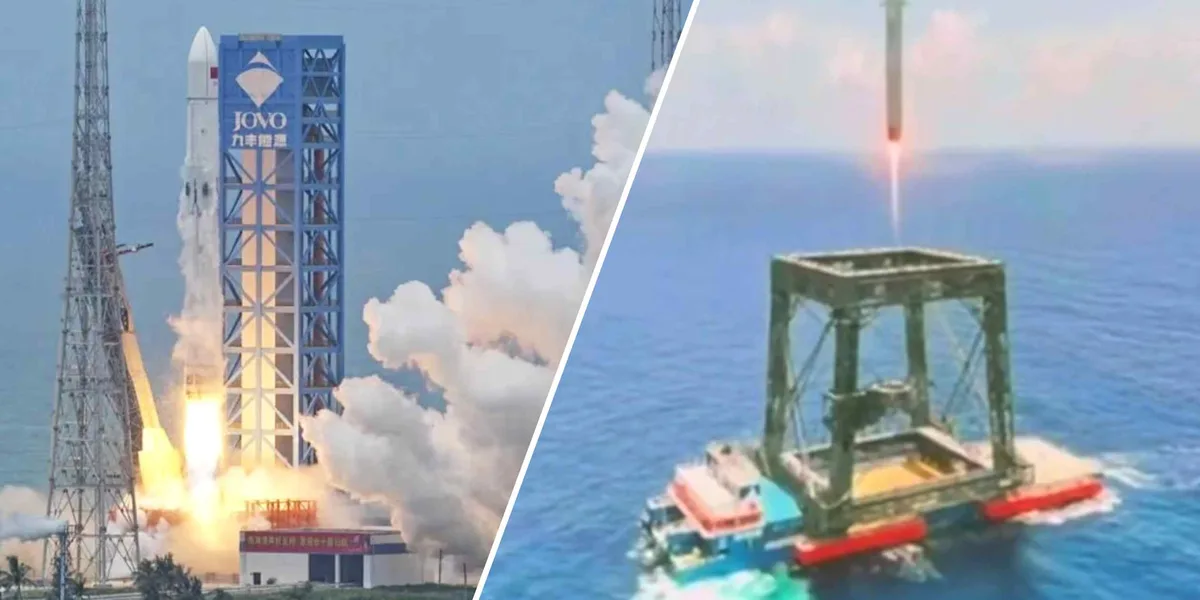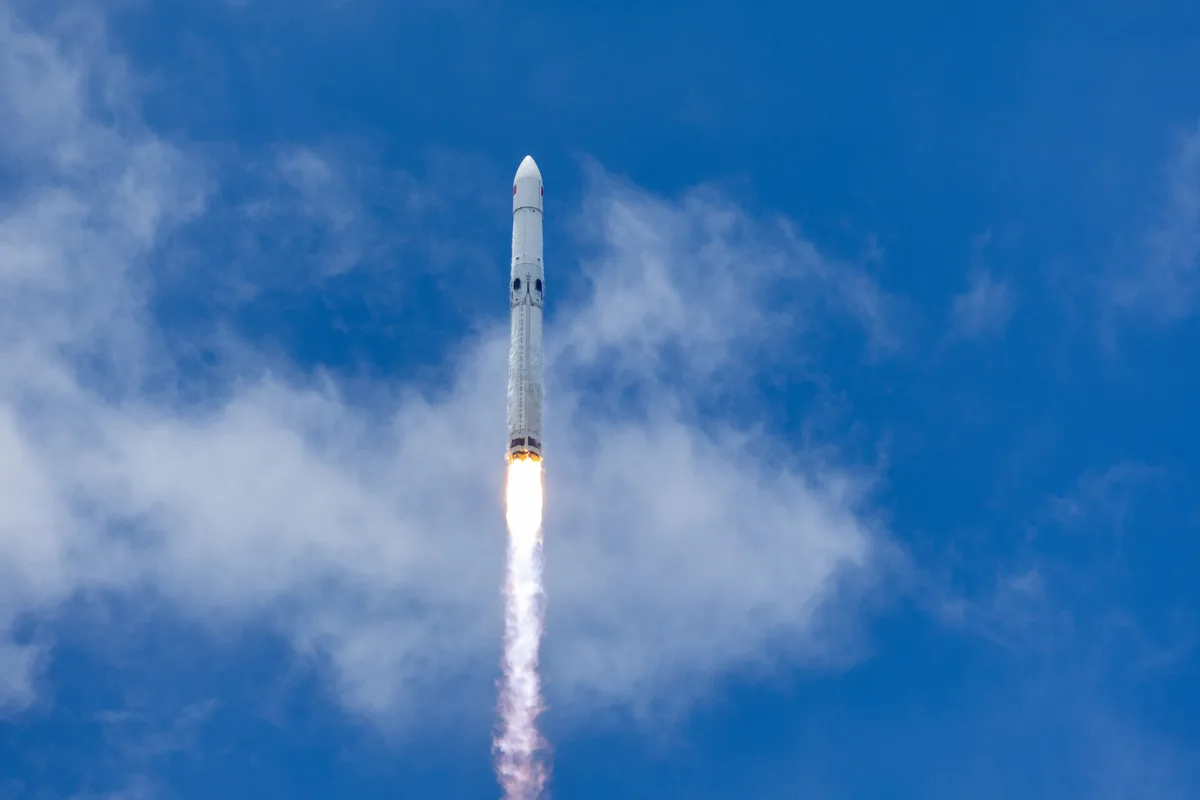
China launched its Long March 10B rocket from the Wenchang space launch site on July 10, 2026, at 12:15 p.m. local time. The rocket stands about 70 meters (230 feet) tall and 5 meters wide [1, 2, 3, 4, 5].
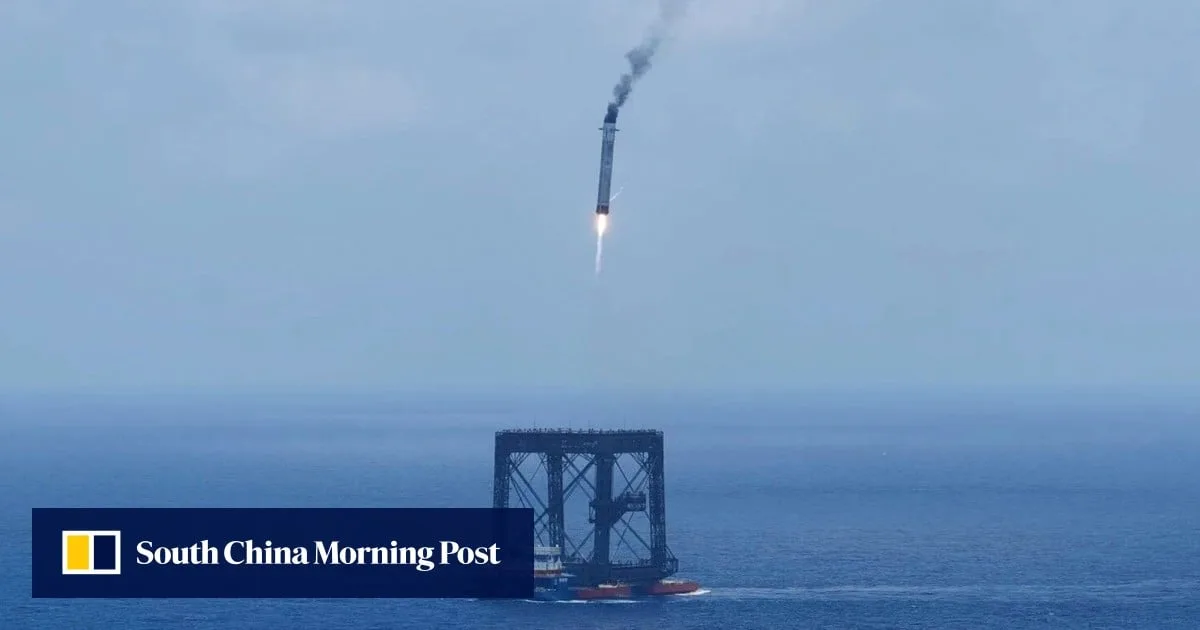
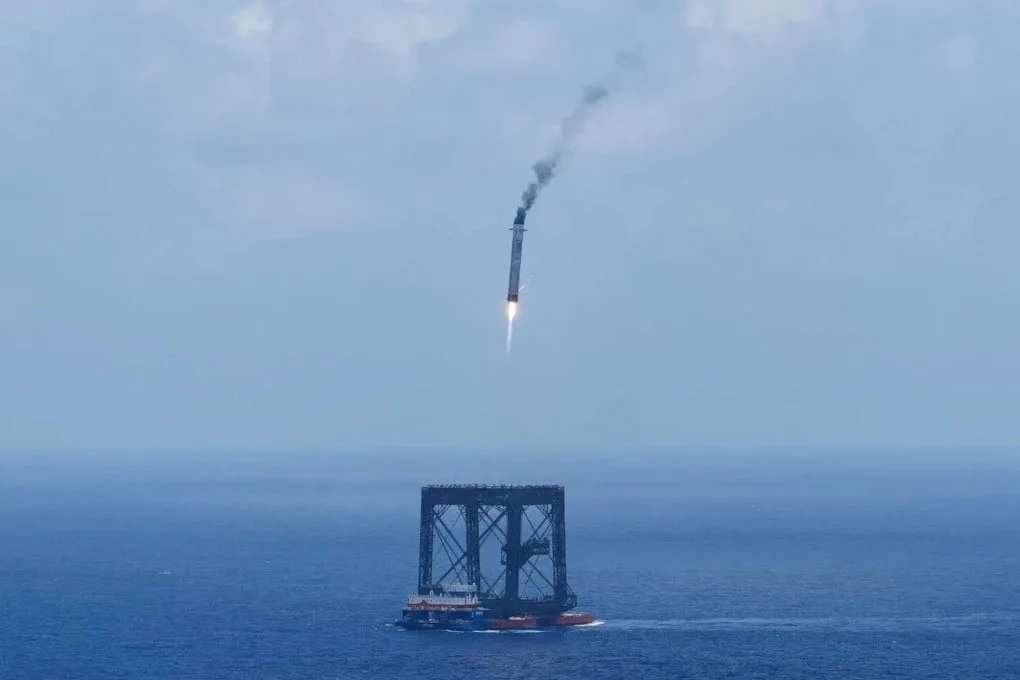
Approximately 2 to 6 minutes after liftoff, the rocket’s first stage booster separated and began a controlled vertical descent back toward a recovery vessel stationed at sea [1, 2, 3, 4, 5]. This booster was caught mid-air about 10 minutes after launch by a net-and-cable capture system installed on the offshore ship, marking the first controlled recovery of a reusable orbital-class booster by China [1, 2, 6, 7, 3, 4, 8, 5].
China is now the second country, after the United States, to recover an orbital-class rocket booster. Unlike SpaceX or Blue Origin, which land their boosters on legs or platforms, China’s system uses a sea-based net to catch the returning stage mid-air [6, 7, 9, 8, 5]. The booster is powered by kerosene-fueled engines and uses advanced guidance systems for its controlled descent [7, 9].
The upper stage continued on to deploy the CX-26 payload into orbit [7]. The launch and recovery were developed and conducted by China Aerospace Science and Technology Corporation and its subsidiary China Academy of Launch Vehicle Technology (CALT) [7, 9, 8, 5]. CALT said the mission is a "historic breakthrough for China in the field of reusable rocket technology" and will help accelerate the nation's space access capabilities [8].
Mao Ning, spokesperson for the Chinese Foreign Ministry, said, "China’s Long March 10B has successfully completed its maiden flight—and recovered its first stage via a sea-based net. This marks the country’s first-ever controlled rocket recovery. A major leap toward reusable launch capabilities." [7]
CALT plans to reuse the booster on another flight before the end of 2026 [9, 8]. The successful recovery is seen as a key step to lower launch costs and bolster China’s space competitiveness [2, 9, 10, 5].