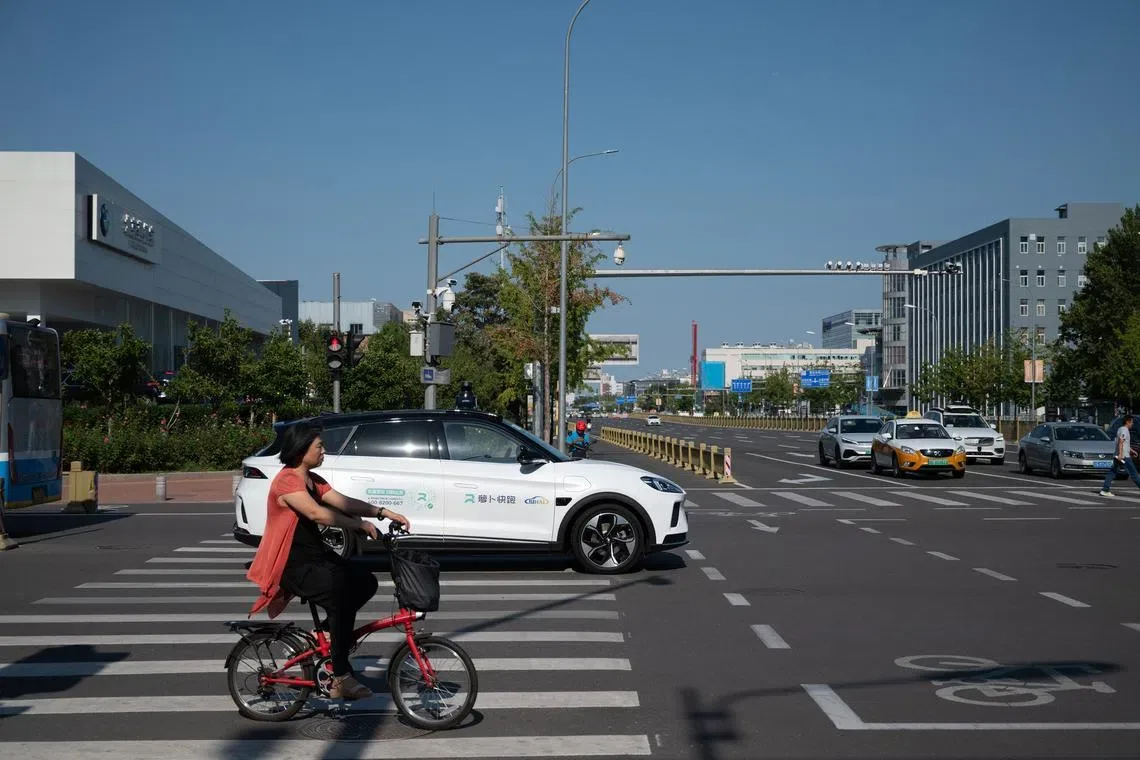
China suspended issuing new robotaxi licences in April 2026 following a large-scale outage involving Baidu’s robotaxis in Wuhan that stranded more than 100 vehicles and passengers, causing major disruptions [1, 2, 3]. A full industry-wide safety review was carried out and completed by late June 2026. After that, several cities began gradually lifting restrictions and resuming robotaxi permit issuance [1, 2, 3].
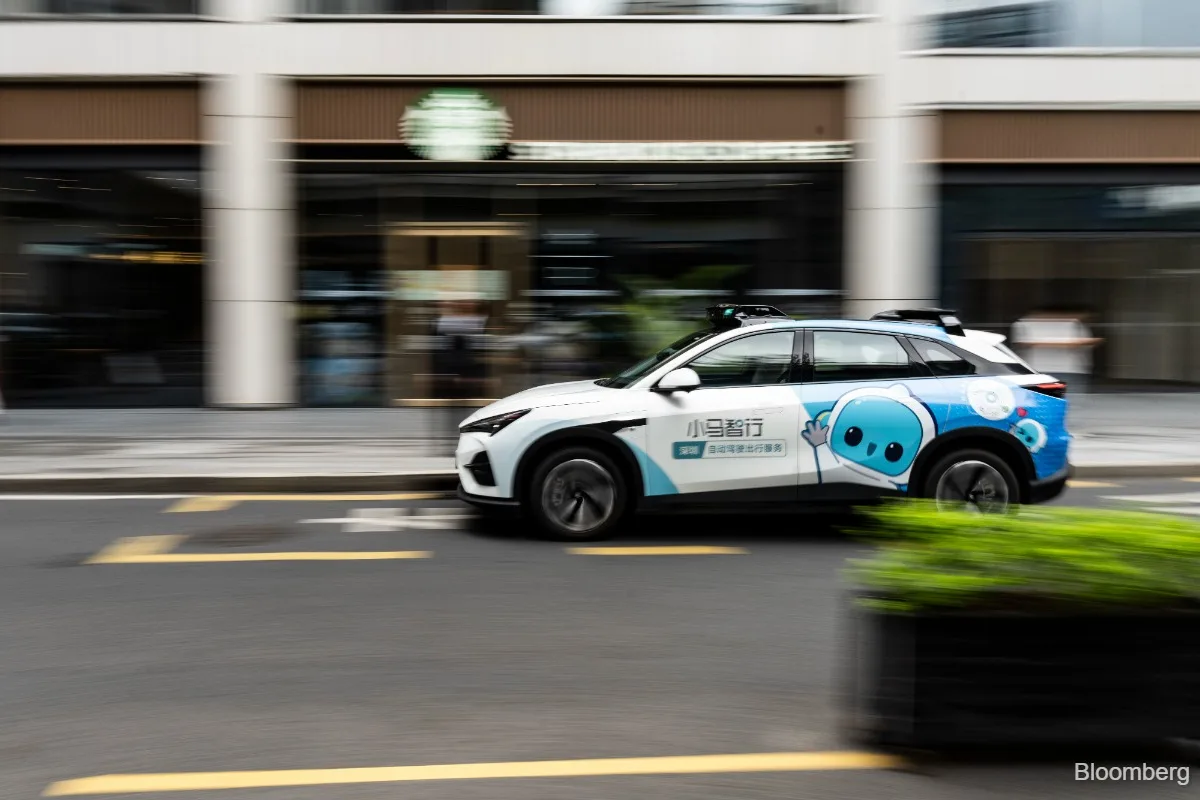
One of the first new licences was granted to Momenta Global Ltd for testing in Shenzhen, where local regulations were amended to facilitate robotaxi operations and reduce entry barriers [1, 2, 3]. Meanwhile, Baidu’s Apollo Go robotaxis were seen operating again in Wuhan from early July 2026, some with safety drivers onboard, as confirmed by social media postings [1, 2, 3].
Neither Baidu nor the government has publicly disclosed detailed causes of the March 31 outage that prompted the regulatory pause [1, 2, 3]. The incident left more than 100 Baidu robotaxis offline in Wuhan and triggered the licence suspension [1, 2].
Following the resumption of licence issuance, shares of robotaxi companies rose on July 23, 2026. Baidu’s share price climbed by 2.3% to 4.1%, closing at HK$106.80. Pony AI shares gained between 4.1% and 5.4%, while WeRide shares rose about 1.6% [1, 2]. WeRide said it welcomed “a clear, stable and predictable regulatory environment that supports the responsible development of autonomous driving technologies” [2].
Chinese regulators continue monitoring robotaxi operations closely. The renewed licence issuances and easing of city-level rules mark a cautious reopening of the sector after the months-long halt.