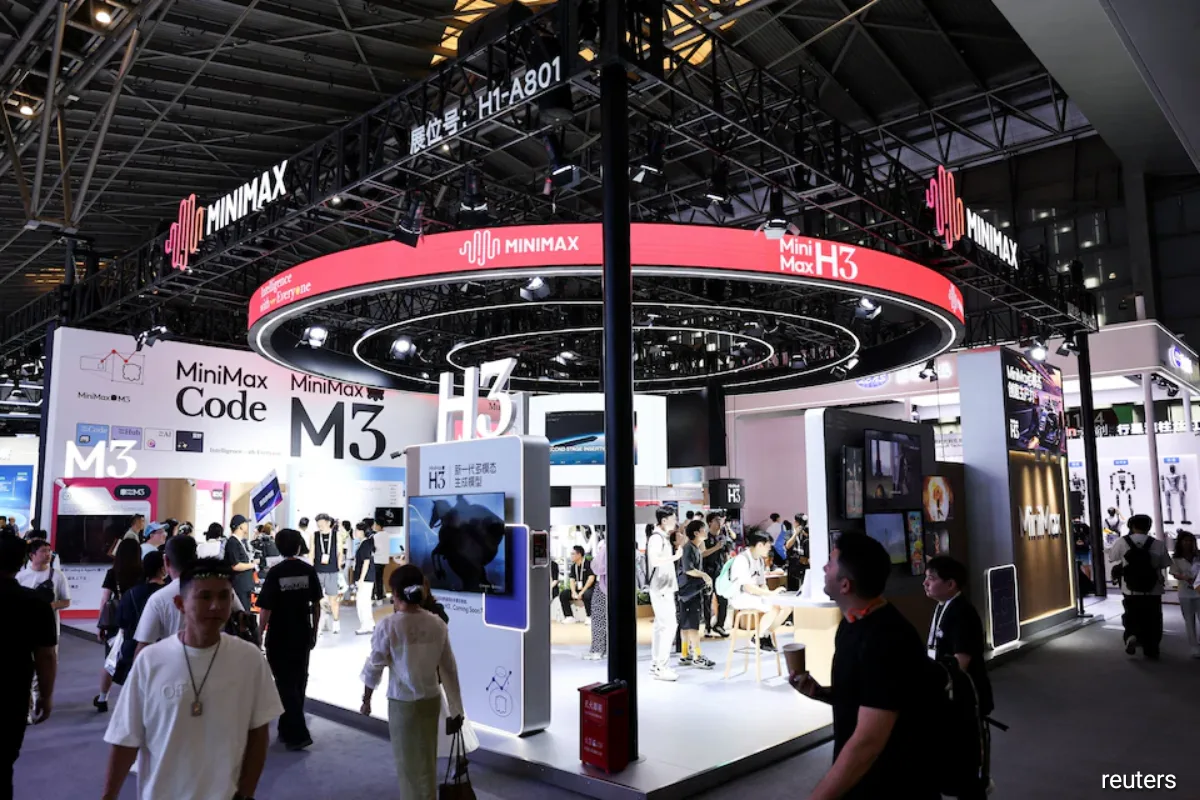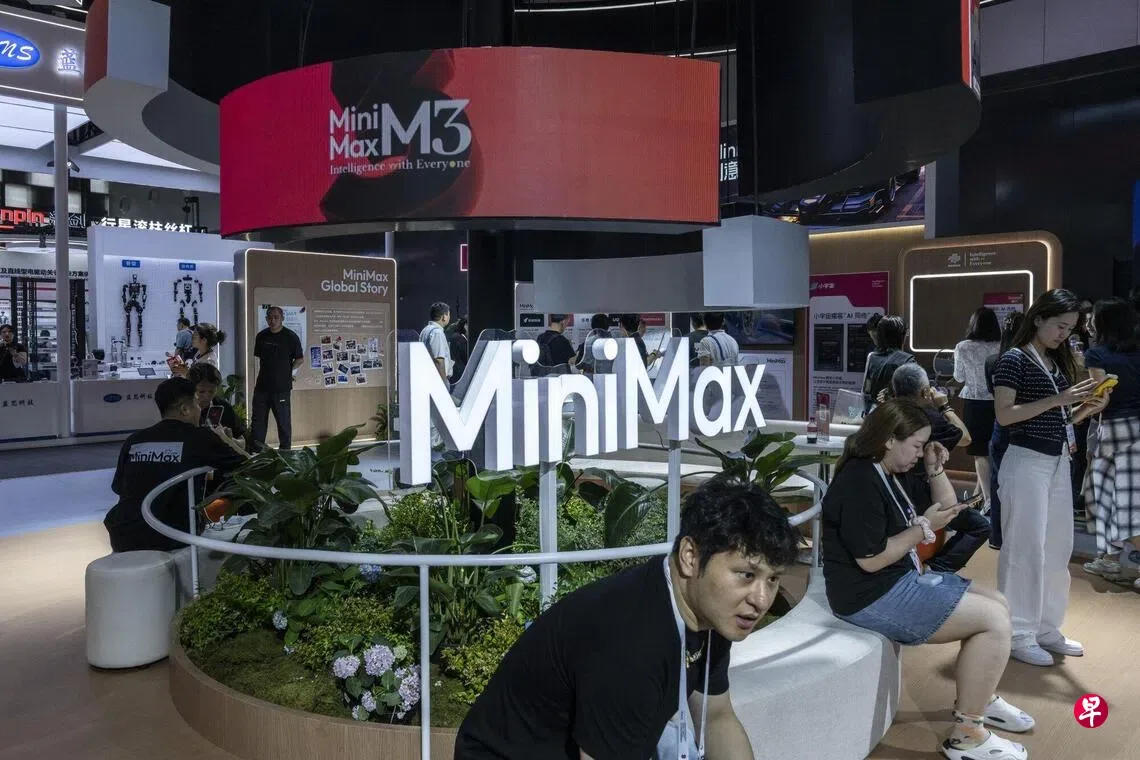
Chinese AI startup MiniMax officially launched its new multimodal video generation model, H3, on July 31, 2026, marking a key milestone for the company since its founding in June 2021 [1, 2, 3].
The H3 model can generate 15-second videos at 2K resolution with native stereo sound. It accepts diverse input formats including text, images, video, and audio, allowing versatile content creation [1, 2, 3]. In addition to generating new videos, H3 supports editing existing content and performing video-to-video motion transfer using different instructions and reference materials [1, 2, 3].
MiniMax said H3 was designed for compatibility with multiple domestic Chinese AI chips to optimize performance in the country’s hardware ecosystem [2, 3]. The startup aims to target commercial uses such as advertising, e-commerce, product design, UI/UX, and game development with the model [1, 2, 3].
Cost efficiency is another focus for H3. MiniMax claims generating 2K videos with H3 costs less than one-third that of mainstream competitors, improving affordability for businesses and creators. "Generating 2K video would cost less than one-third of mainstream rival products," MiniMax told The Edge Malaysia [1].
Following the H3 announcement, MiniMax’s shares on the Hong Kong Stock Exchange surged as much as 14% intraday, closing roughly 12% higher on strong investor interest [2, 3]. The company went public on HKEX earlier this year, on January 9, 2026, becoming the fastest AI company globally to reach listing since its 2021 founding [2, 3].
MiniMax also announced plans to publicly release H3’s model weights for download and customization within days, pending regulatory approvals. The company said, "We plan to open the model weights in the coming days, subject to legal and regulatory requirements," according to reports by 联合早报 [2].
Competition in China’s video AI sector has heated up in 2026, with rivals ByteDance and Kuaishou releasing Seedance 2.0 and Kling 3.0 respectively earlier this year [1, 3]. MiniMax’s H3 aims to carve out its place in this growing market by combining multimodal capabilities, cost efficiency, and broad hardware support [1, 2, 3].
MiniMax also started its process in late May 2026 to list on the China A-share market aiming for a dual A-share and H-share listing, which would broaden investor access to the company [2, 3].