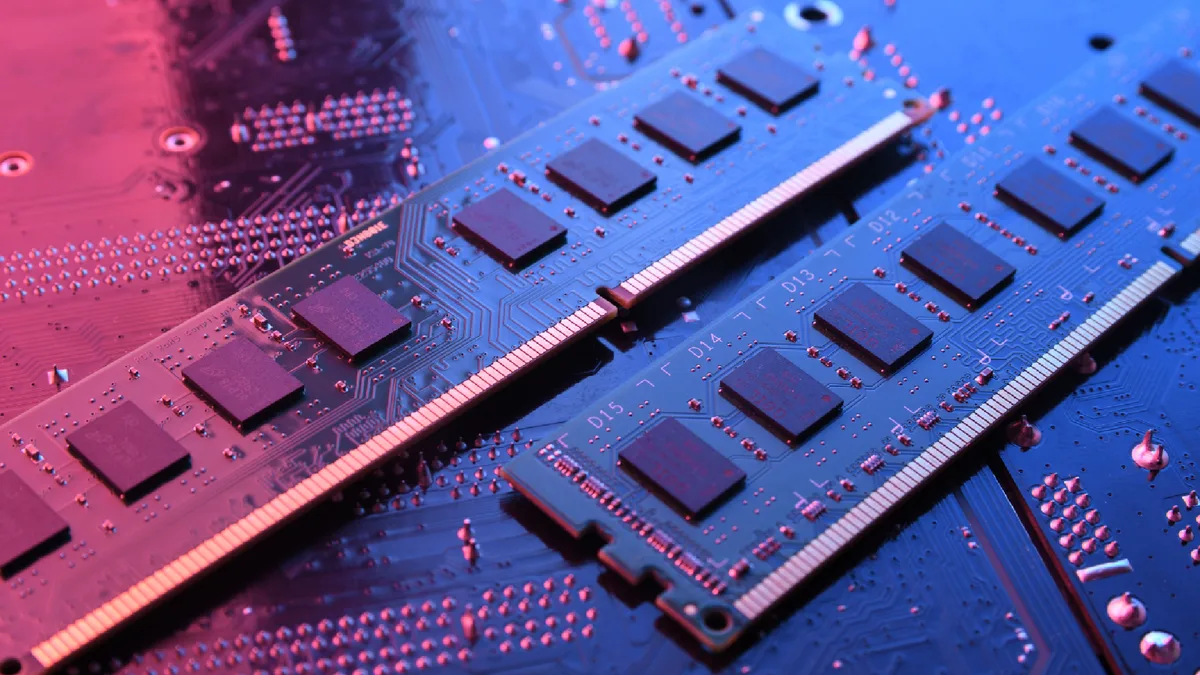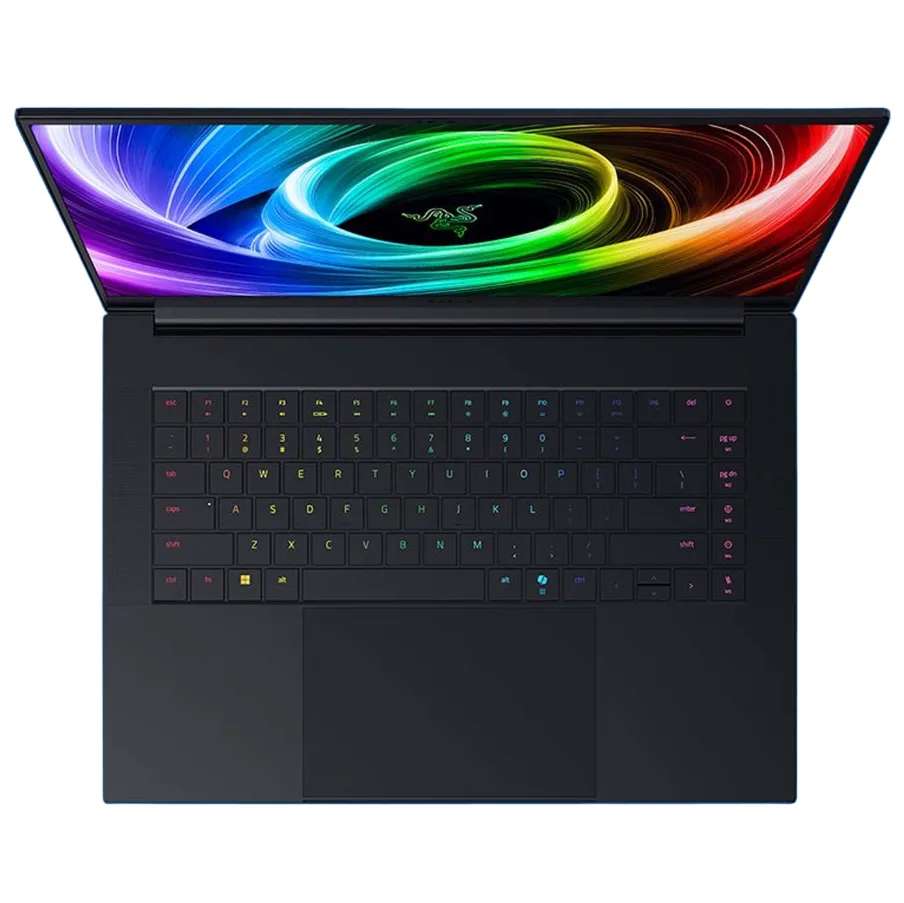
Global PC shipments declined by nearly 5% year-over-year in the second quarter of 2026, ending nine straight quarters of growth, according to IDC data. Shipments reached approximately 68.2 million units worldwide, down from the previous year as supply chain issues tied to a global memory chip shortage worsened [1, 2, 3].
This shortage drove price increases and complicated inventory stocking for PC vendors across the industry. Jean Philippe Bouchard, IDC vice president, said Apple's market share rose from 8.5% to 9.9% thanks to the strong sales of the MacBook Neo, despite the rising costs. Bouchard noted Apple remains well positioned against rivals facing the same supply challenges [2].
Apple was an outlier among major PC vendors. Lenovo, HP, and Dell saw modest shipment declines year-over-year, while Apple grew shipments by around 10%, according to market data [2, 3]. Tim Cook, Apple CEO, commented, "We definitely need memory pricing and supply to return to reasonable levels for consumer products," highlighting industry-wide challenges [3].
Omdia reported a slightly smaller global shipment decline of 3.6%, estimating total shipments at 65.7 million units. It noted desktop PC shipments fell 1.3% to 13.9 million units, and laptop shipments declined 4.2% to 51.7 million units during the quarter [4].
Despite lower volumes, PC manufacturers’ revenues increased as vendors passed the higher memory costs on to consumers faster than demand fell. Jitesh Ubrani, IDC Research Director, said, "The real story here is the disconnect between units and dollars: shipments are falling, but revenue is climbing because vendors are pushing through price increases faster than demand is dropping" [2]. He added vendors are preparing for further price hikes into 2027 [3].
China’s PC shipments totaled 9.92 million in Q2 2026, declining 1.6% year-over-year, a smaller drop than the global average despite rising memory prices [1].
The memory chip shortage has intensified from a mild disruption in late 2025 to a full crisis affecting PC supply chains worldwide. Analysts expect the shortage and its price pressures to persist until 2028, continuing to strain PC shipments and costs for the foreseeable future [3].