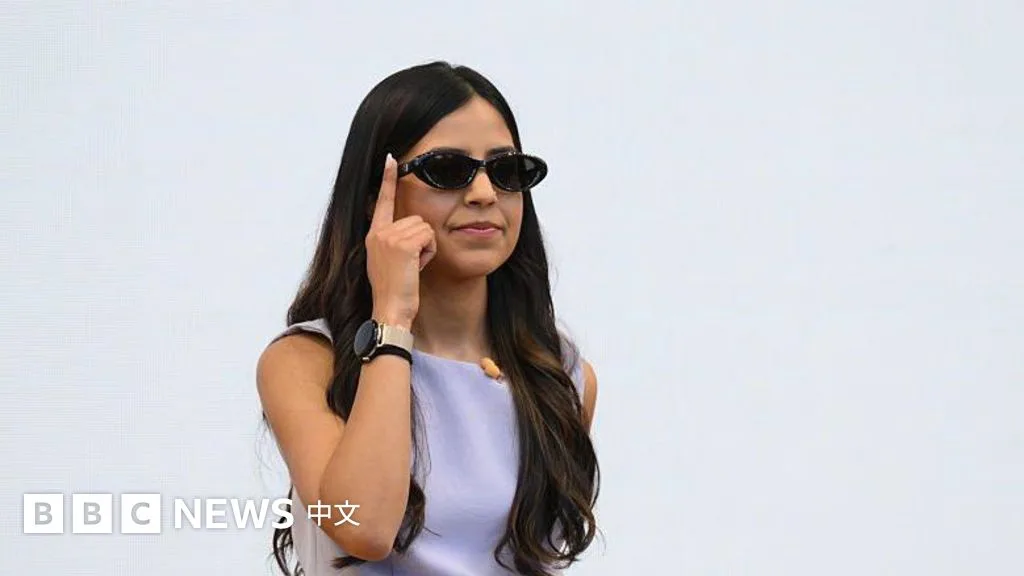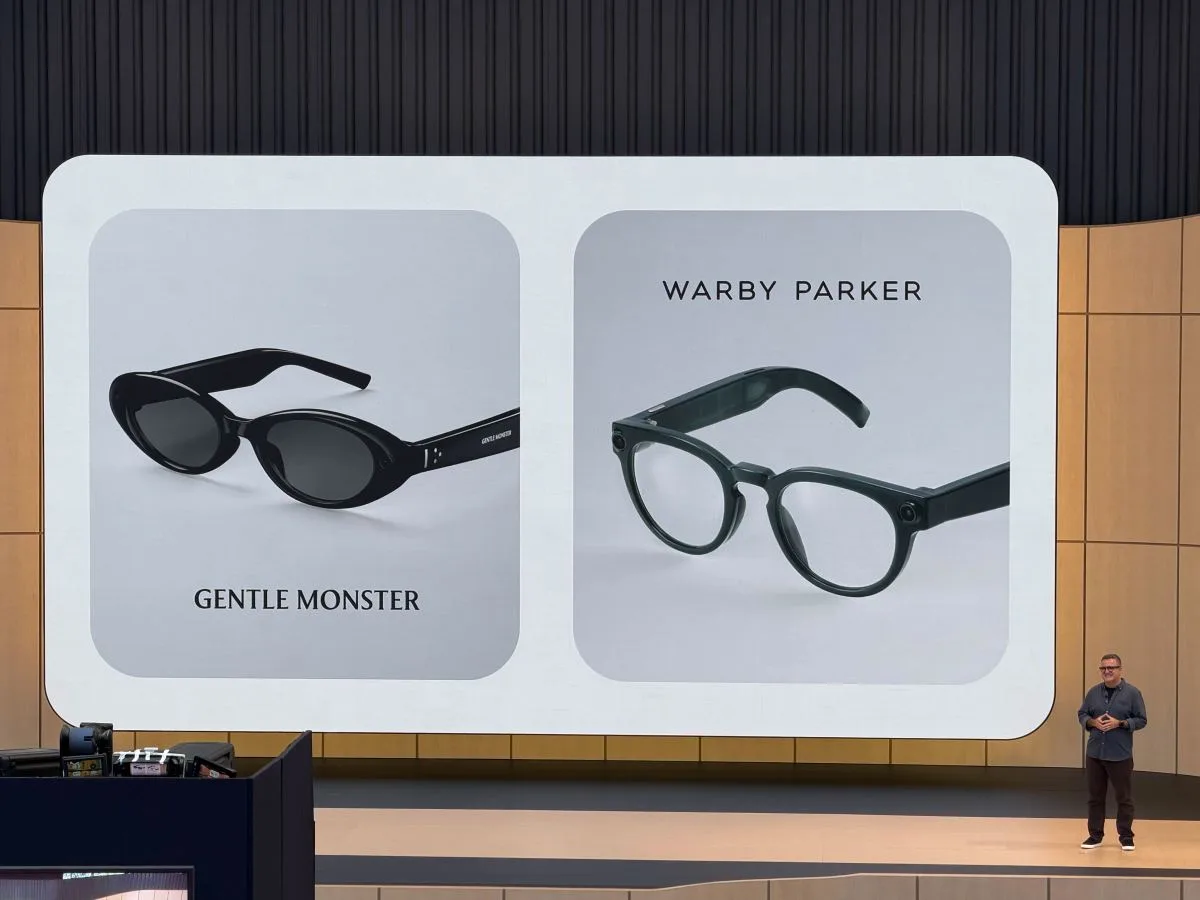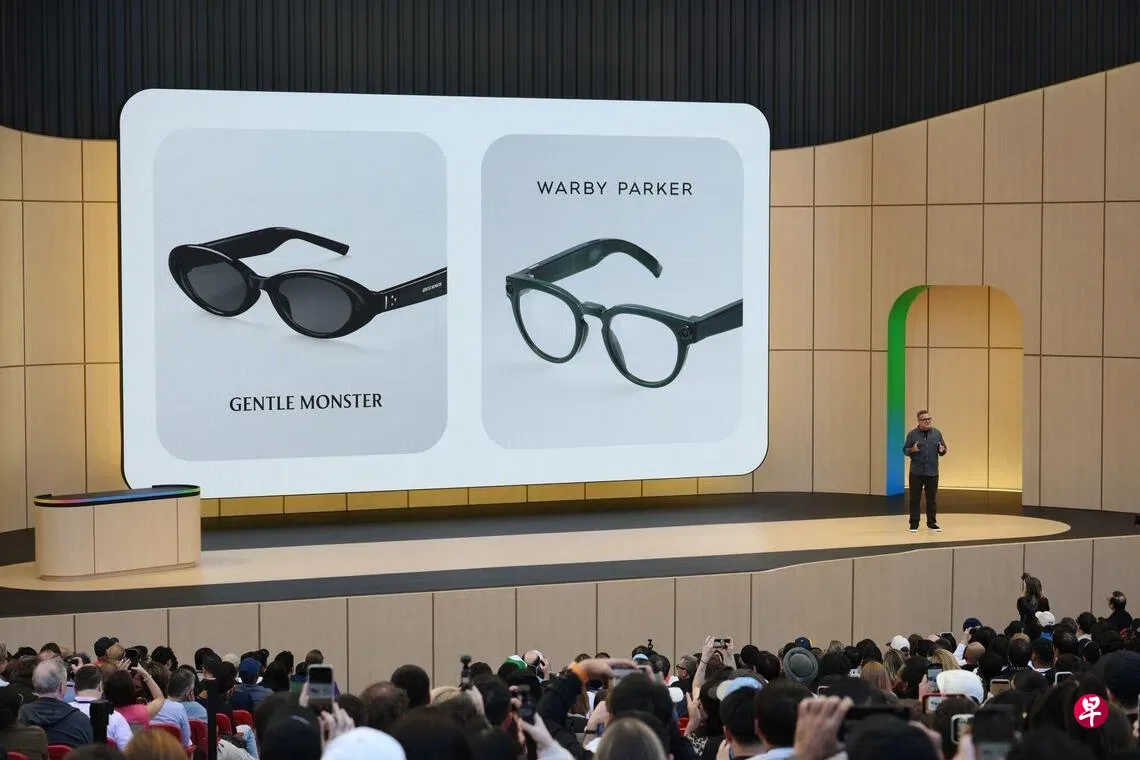
Google revealed new AI-powered smart glasses at its Google I/O conference on May 19, 2026, in partnership with Samsung, Warby Parker, and Gentle Monster [1, 2, 3]. The glasses focus on audio interaction, allowing users to engage with Google's AI assistant Gemini via voice commands rather than visual displays, said Shahram Izadi, head of Android XR products, who emphasized the design aims to provide “information spoken into your ear privately, rather than shown in a display” [2, 4].
The glasses support functions including making calls, music playback, photo capture, turn-by-turn navigation, reading and summarizing messages, calendar management, and real-time translation [1, 2, 5, 4, 6]. They will work with both Android and iOS devices to maximize compatibility [1, 2, 3]. Google also demonstrated ordering coffee through DoorDash and managing texts and calendar events using voice control on the glasses [2, 5, 4].
The glasses feature a built-in camera and an LED indicator to alert bystanders when recording is taking place. Privacy concerns similar to those that affected Google Glass in 2013 remain relevant [1, 2, 5]. Despite the focus on collecting user data to improve AI models, Google has yet to announce detailed privacy policies for this product [5, 4, 7].
Google plans to release another version of smart glasses by 2027 with internal lens displays to show visual information. These advanced models are currently in developer testing and expected to arrive after the audio-focused glasses launch [1, 2, 8, 5]. The audio glasses are expected to launch globally in fall 2026, though pricing and exact release dates remain unconfirmed [1, 2, 8, 5, 4, 6].
Meta's Ray-Ban smart glasses currently dominate the market, selling over 7 million units by 2025, setting a high bar for Google [1, 2, 5, 4]. Google aims to offer a more subtle, everyday eyewear design that integrates AI via voice rather than heavy visual displays [1, 2, 6].
Investor Christine Tsai said the glasses provide a platform beneficial to consumers and early-stage startups developing new features [2]. The glasses represent Google's renewed effort in wearable AI, with global availability targeted for fall 2026.