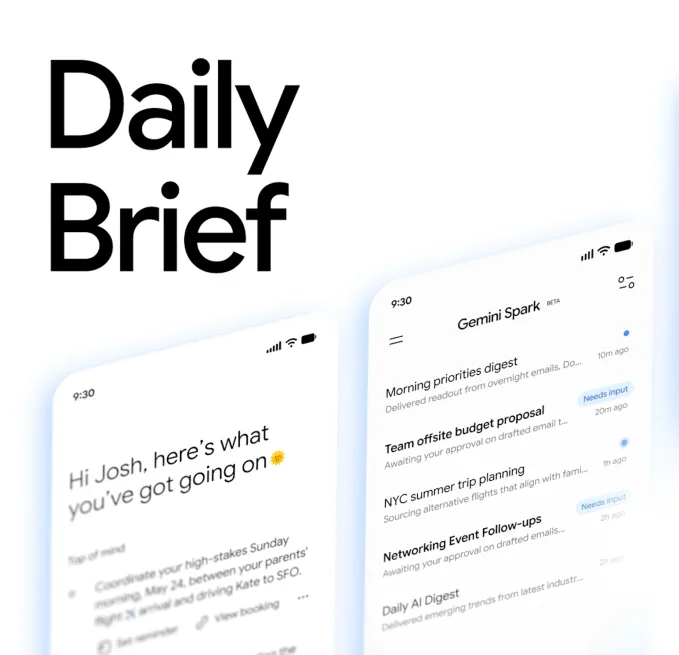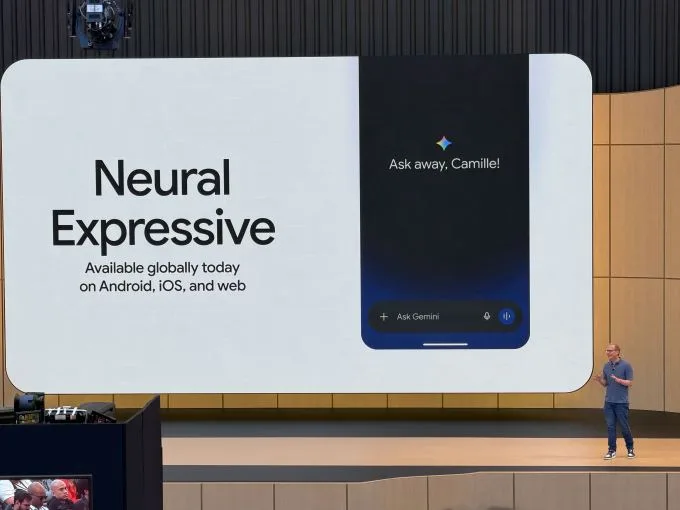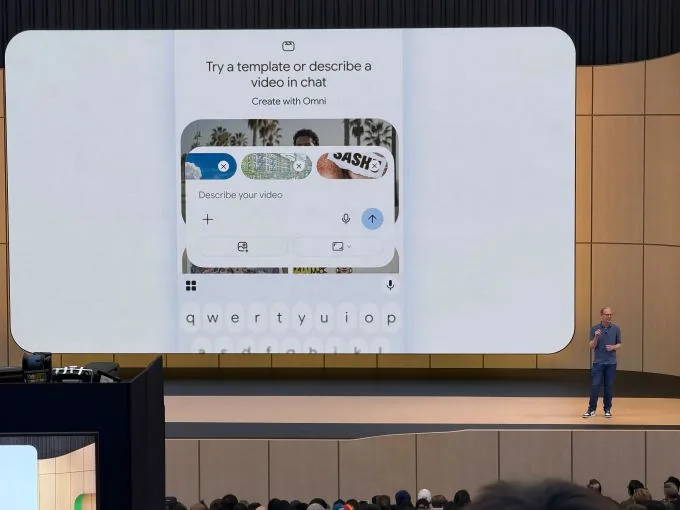
Google unveiled major updates to its Gemini AI app at the 2026 I/O event on May 19, introducing a new Daily Brief feature, a redesigned interface, and an AI video model called Gemini Omni [1, 2, 3]. The Daily Brief compiles a personalized morning digest from a user’s inbox, calendar, and tasks, then prioritizes them and suggests next steps, with the most important items shown first, according to Google officials [1]. It began rolling out to Google AI subscribers in the US on the same day.
The new Gemini Omni model lets users generate videos from text prompts and uploaded images, audio, or video. It is available to Google AI Plus, Pro, and Ultra subscribers [1, 2, 3]. Google is also testing a personal AI agent named Gemini Spark, which runs continuously and can create custom workflows integrated with Workspace and other apps. It will soon be available for Google AI Ultra subscribers. Google described it as transforming Gemini from an assistant into an active partner that does real work on users’ behalf [2, 3].
The Gemini app now supports over 900 million monthly users worldwide in more than 230 countries and regions, and offers support for over 70 languages [1, 2].
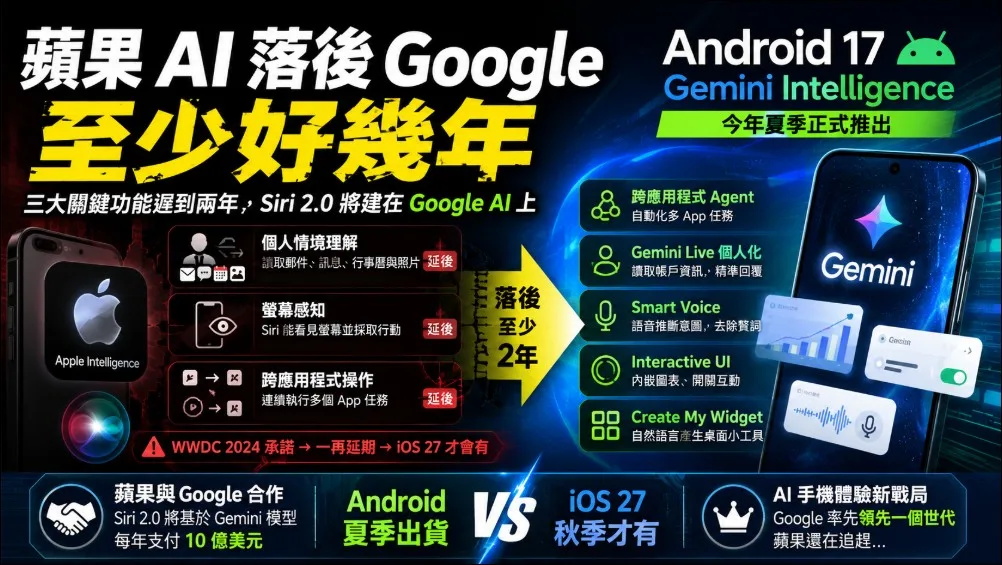
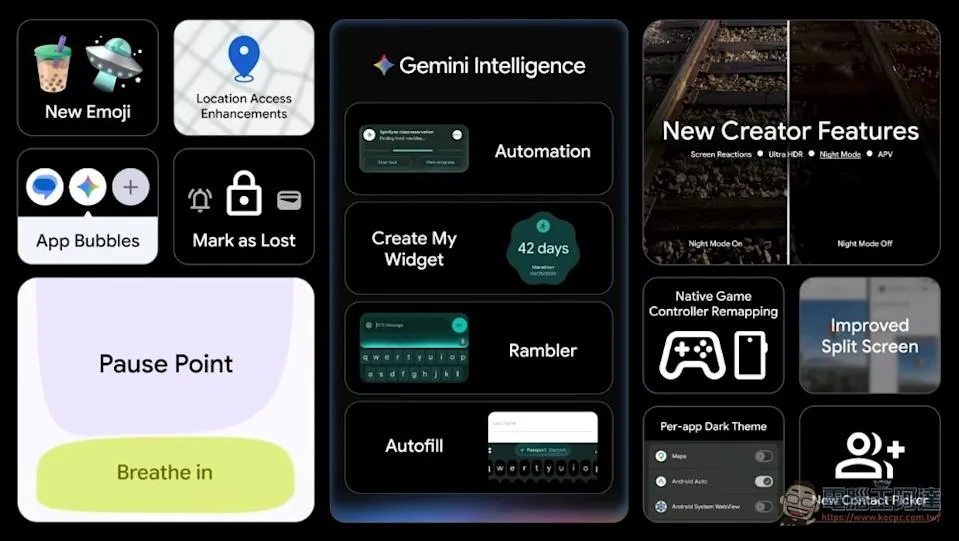
On May 13, Google revealed Gemini Intelligence deeply embedded in the upcoming Android 17 operating system, transforming Android from a traditional OS into an AI-driven "intelligence system" capable of complex automated, multi-step tasks run across applications by voice or text commands [4, 5]. Gemini Intelligence can automate actions like ordering food, adding items from notes to shopping carts, and booking reservations, while keeping user controls intact [4, 5, 6].
Gemini Intelligence will initially launch this summer on select devices including Samsung Galaxy Z Fold 8 and Z Flip 8 series, and Google Pixel 11 smartphones, before expanding to other Android devices later [4, 7, 5]. To run Gemini Intelligence, devices must meet strict hardware requirements such as flagship chips, at least 12GB RAM, AI Core support, and Gemini Nano v3 or newer. Many flagship devices from 2025 or earlier will not support it [6]. Supported devices include Samsung Galaxy S26 series, Google Pixel 10 series, OnePlus 15 series, OPPO Find X9/X8, Vivo X200/X300, and Honor Mag [6].
Android 17 also introduces AI features like a visual task progress interface, contextual Autofill, advanced voice input with live error correction named "Rambler," and "Create my Widget," which lets users generate custom widgets via natural language [4, 5, 6].
Mark Gurman of Bloomberg noted that Google’s Gemini Intelligence rollout significantly outpaces Apple’s delayed AI assistant upgrades. Apple’s similar features for iOS 27 are postponed until fall 2026. He added, "蘋果在 AI 領域落後 Google 的程度,已經不是幾個月,而是以「年」為單位計算" (Apple is behind Google in AI by years) [7]. Apple’s next-generation Siri 2.0 will be powered by Google’s Gemini AI foundation models through a 2026 partnership, signaling Apple’s reliance on Google’s AI despite later product readiness [7].
By the end of June 2026, Google plans to integrate Gemini AI features into the Android Chrome browser to enable smarter browsing and automatic form filling [5, 6]. Samsung’s Galaxy Unpacked event in London on July 22 will showcase the Galaxy Z Fold 8 and Z Flip 8 devices that will come with Gemini Intelligence ready to use [4].