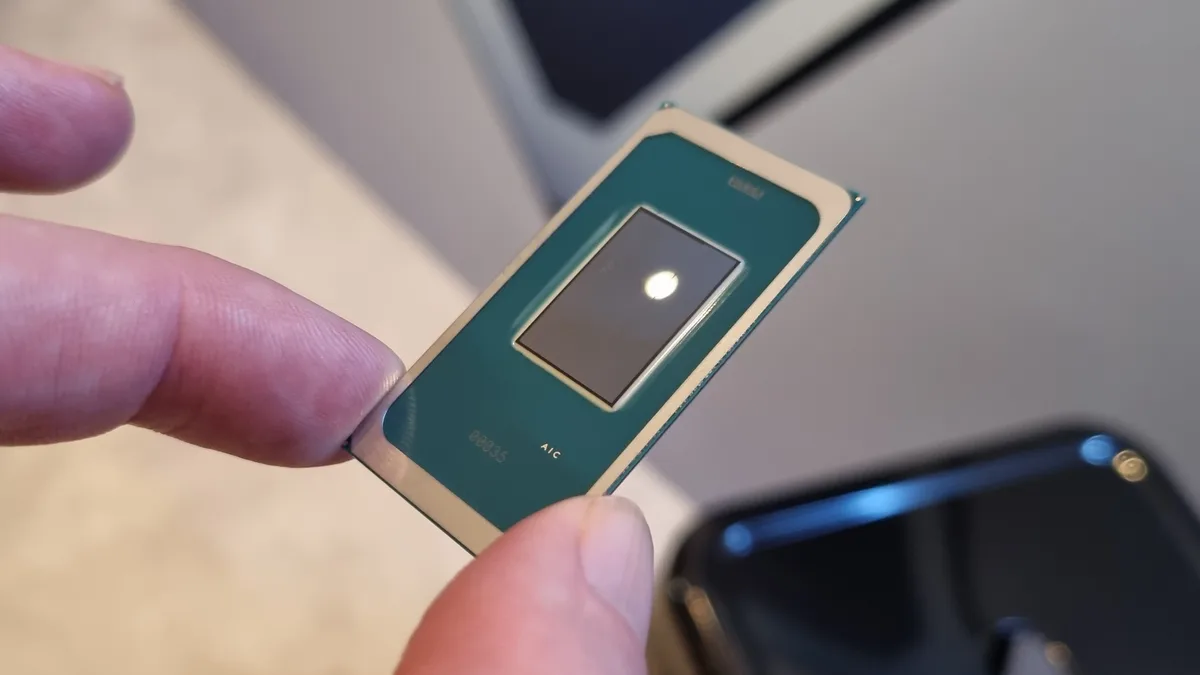
Intel started risk production of its 18A-P chip node on June 16, 2026, at the VLSI Symposium in Honolulu, Hawaii [1, 2, 3, 4, 5, 6, 7, 8, 9, 10]. The 18A-P node is an enhanced version of Intel's 18A semiconductor process, offering up to 9% better performance at the same power or 18% lower power at the same performance level [1, 11, 2, 3, 4, 5, 6, 7, 8, 9, 10]. It also improves thermal resistance by 20% to 40% and reduces vertical interconnect via resistance by 10% to 30%, boosting signal efficiency [11, 3, 4, 5, 6, 7, 8].
The new node supports advanced technologies including Gate-All-Around transistors, backside power delivery, and complementary FET stacking [3, 4, 6, 7, 8]. It features Power Boost technology with dual contact, low resistance transistors [3, 4, 6, 7, 8]. The design rules for 18A-P are fully compatible with existing 18A IP and design flows to speed product development [1, 3, 4, 6, 7, 8]. Eric Karl, Intel Foundry VP, said backside power delivery and GAA technology reduce wiring area by 11% and improve frequency or lower power by significant margins [4].
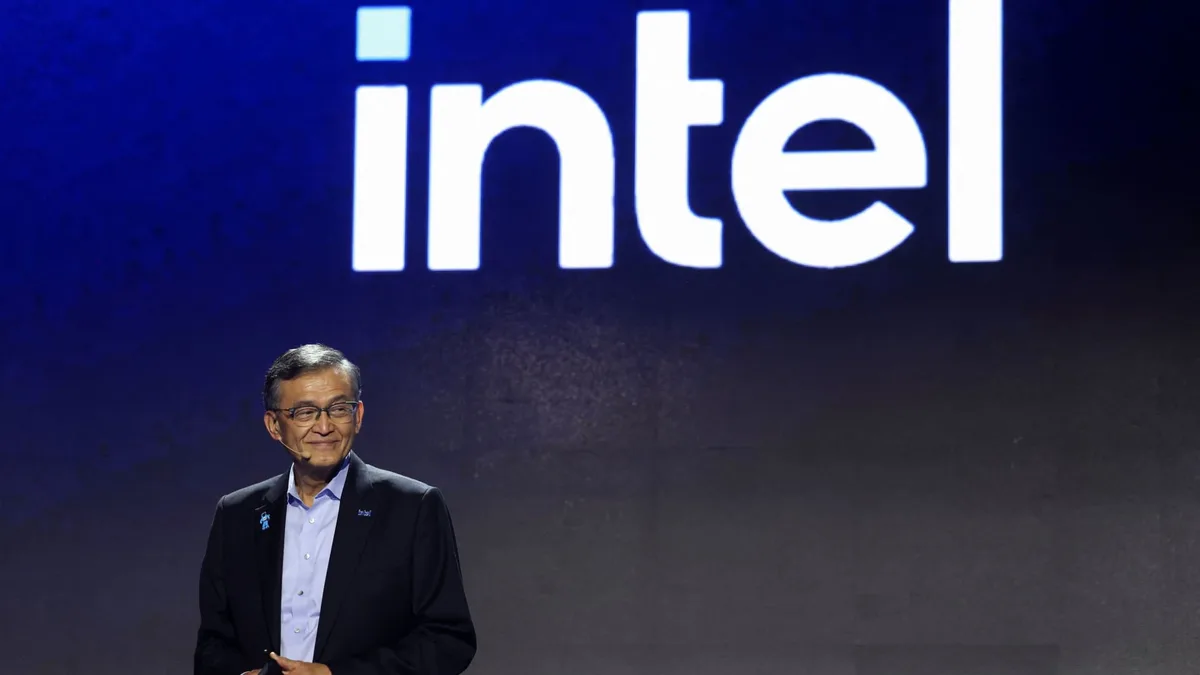
Intel CEO Lip-Bu Tan said the company expects to secure commitments from multiple foundry clients in the second half of 2026, including rumored preliminary deals to produce chips for Apple devices using 18A-P [1, 5, 9, 10]. Still, Intel has not yet signed any major external customer orders for 18A or 18A-P, with potential clients including Apple, Google, and Nvidia [1, 5, 9, 10]. Analyst Neil Shah said yield rates above 90% in the first month of production will be critical for winning customers [1, 2, 9, 10]. "Yield rate is the number one criteria here. If they can commit to more than 90% yield rate in the first month, I think they can attract a few more customers," he said [1].
Intel faces challenges manufacturing ARM-based chips used by Apple and others, given its expertise is largely in x86 processors [1, 10]. Analyst Nepal Shah noted that Intel has never manufactured ARM chips at volume, whereas rival TSMC has fully mastered that technology [10]. Intel has spent approximately $95 billion on its foundry business over the past four years, posting losses near $13 billion last year despite gains such as a 200% rise in its stock price in 2026 [5, 1, 10]. Its EMIB packaging technology may provide an edge as TSMC encounters packaging capacity constraints [2, 5, 9, 10].
Intel previously launched 18A for PC chips in January 2026 but saw limited customer uptake [1, 11]. The 18A-P aims at high-performance computing, AI, and data center markets, promising improved performance, power efficiency, and thermal control [3, 5, 7, 8]. With risk production now underway, Intel will work to raise yields and finalize customer orders, targeting volume production and customer commitments by mid to late 2026 [5].